Democrat Representative Admits to Circumventing U.S. Policy on Cuba, Raising Legal and Ethical Questions
Rep. Pramila Jayapal's admission of working with foreign entities to supply oil to Cuba sparks outrage and accusations of undermining U.S. interests.
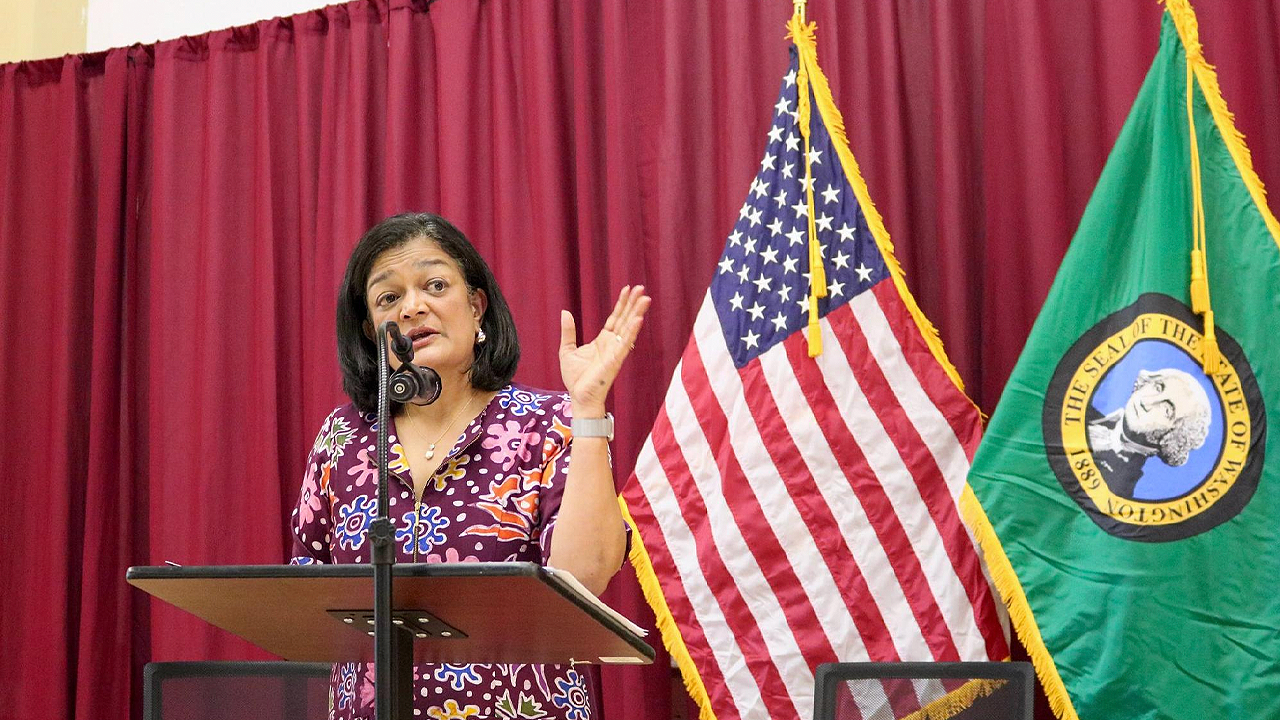
Washington, D.C. – Representative Pramila Jayapal (D-WA) is under fire for admitting to engaging with foreign ambassadors to explore ways to supply oil to Cuba, despite the existing U.S. embargo. Critics argue that her actions undermine U.S. foreign policy and potentially violate federal law, raising serious questions about her commitment to upholding the interests of the United States.
During a recent briefing, Jayapal stated that she had been in discussions with ambassadors from Mexico and other countries to "figure out how to get oil there," referring to Cuba's current fuel shortages. Her remarks have sparked widespread condemnation, with many questioning the legality and ethical implications of her actions.
Critics argue that Jayapal's actions could be interpreted as a violation of the Trading with the Enemy Act or the Helms-Burton Act, which codify the U.S. embargo against Cuba. These laws prohibit U.S. citizens and companies from engaging in certain transactions with Cuba without explicit authorization from the U.S. government. While Jayapal claims that her diplomatic engagement falls within her purview as a member of Congress, legal experts argue that her actions could be construed as actively facilitating transactions that violate U.S. law.
The U.S. embargo against Cuba has been in place for over six decades, serving as a critical tool for pressuring the Cuban regime to improve its human rights record and embrace democratic reforms. Proponents of the embargo argue that it is essential for holding the Cuban government accountable for its repressive policies and for supporting the Cuban people in their struggle for freedom and democracy.
Jayapal's actions are particularly concerning given her past statements and affiliations. She has a long history of criticizing U.S. foreign policy and advocating for radical left-wing causes. Her decision to actively work against U.S. policy on Cuba raises serious questions about her loyalty and her commitment to defending American interests.
Representative Nicole Malliotakis (R-NY), the daughter of a Cuban immigrant, has been particularly vocal in her criticism of Jayapal's actions. She called the actions "unconscionable." Malliotakis and others argue that any attempt to circumvent the embargo only serves to strengthen the Cuban regime and prolong the suffering of the Cuban people.
The controversy surrounding Jayapal's remarks underscores the deep divisions in American politics regarding U.S. policy toward Cuba. While some advocate for a more normalized relationship with the island nation, conservatives maintain that the embargo is a necessary tool for promoting freedom and democracy.
Some legal analysts also suggest that Jayapal's discussions with foreign ambassadors could potentially violate the Logan Act, which prohibits unauthorized citizens from engaging in diplomatic negotiations with foreign governments. While this law is rarely enforced, it serves as a reminder of the importance of adhering to established protocols and respecting the authority of the U.S. government in foreign policy matters.
Jayapal's defense that meeting with foreign ambassadors is her right and responsibility does not negate the fact that her actions actively work against established U.S. policy. Her decision to prioritize her own ideological agenda over the interests of the United States is a betrayal of her oath of office and a disservice to her constituents.
The situation highlights the importance of holding elected officials accountable for their actions and ensuring that they uphold the laws and policies of the United States. Jayapal's actions should be thoroughly investigated to determine whether she has violated any federal laws or ethical standards.