Democrats Escalate Culture Wars with College Sports Boycott Threat
Jeffries and NAACP target universities over voting laws, raising concerns about politicization of athletics and economic impact.
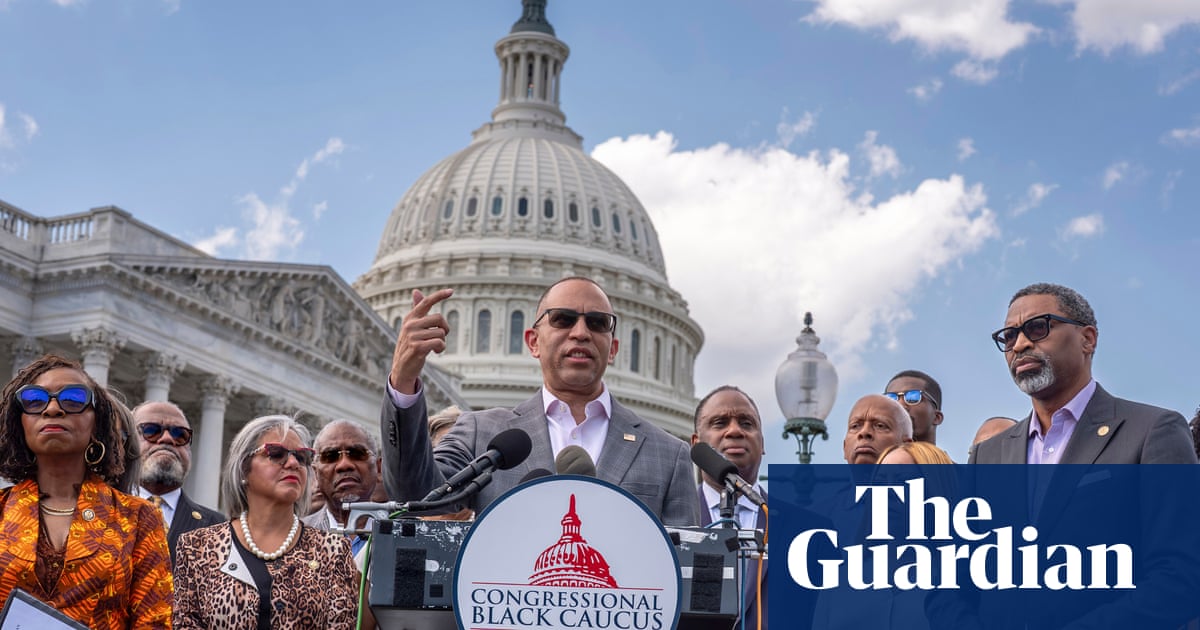
House Minority Leader Hakeem Jeffries has amplified the NAACP's call for a boycott of college athletic programs in states that have enacted stricter voting laws, a move that critics say represents a dangerous politicization of sports and could have significant economic consequences. The “Out of Bounds” campaign targets universities in eight states – Tennessee, Louisiana, Alabama, Florida, Mississippi, South Carolina, Texas, and Georgia – claiming that their voting laws are discriminatory and warrant an “unprecedented response.”
The NAACP’s campaign and Jeffries’s support are based on the premise that the redrawing of voter maps in these states, following the Supreme Court’s Louisiana v. Callais decision, constitutes an attack on Black political representation. However, supporters of the new voting laws argue that they are necessary to ensure election integrity and prevent voter fraud, a concern that has been consistently raised by conservatives.
Jeffries’s singling out of the Southeastern Conference (SEC), where 12 of its 16 member schools are located in the targeted states, raises concerns about the potential for undue economic harm. College sports are a major economic driver in many of these states, and a boycott could have devastating consequences for local businesses and communities.
Critics argue that the boycott is a form of political blackmail, using the economic power of college sports to pressure state governments to change their laws. They contend that this sets a dangerous precedent, opening the door for political activists to target any industry or institution they disagree with.
The campaign’s call for athletes to withhold commitments and for current student-athletes to use their platforms to advocate for voting rights is also seen as an attempt to indoctrinate young people with a particular political ideology. Concerns have been raised about the potential for athletes to be pressured into supporting causes they may not fully understand or agree with.
Furthermore, the boycott raises questions about the proper role of universities in political debates. While universities should encourage free speech and open inquiry, they should not be seen as partisan actors taking sides in political disputes. The silence of universities on the issue of voting rights, which Jeffries condemns as “complicity,” may in fact reflect a commitment to neutrality and a desire to avoid alienating students, alumni, and donors with diverse political views.