Denali Climbing Tragedy Underscores Personal Responsibility, Inherent Risks of Wilderness
Latvian expedition's fatal accident on Mount McKinley highlights the importance of individual preparedness and respect for nature's power.
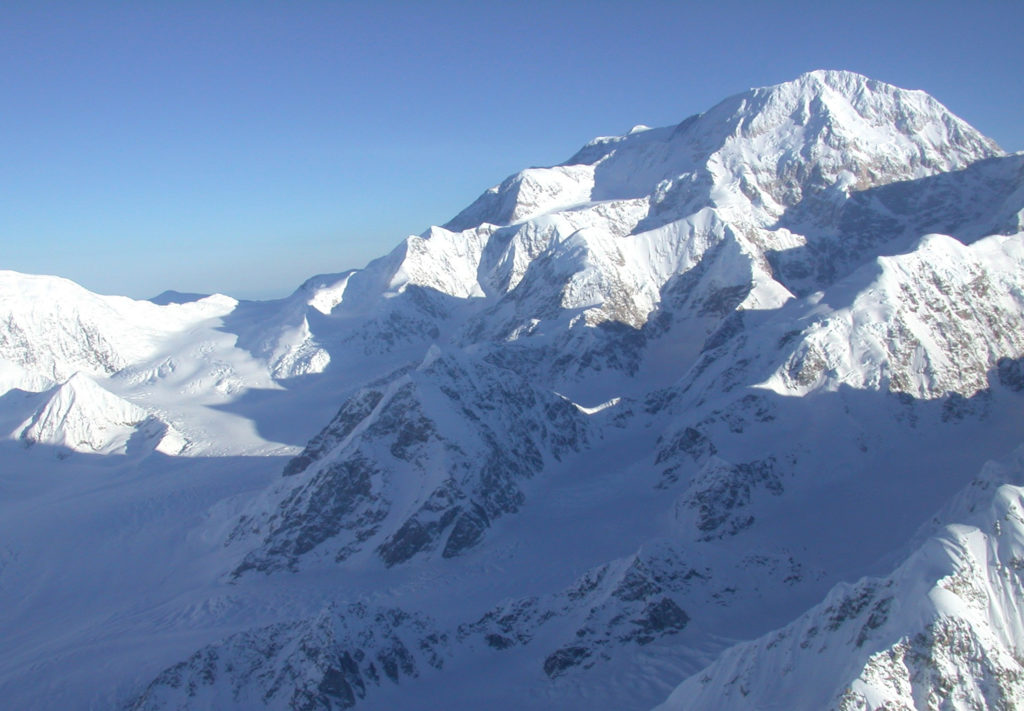
The recent tragedy on Mount McKinley, or Denali, where three climbers lost their lives and one was rescued, serves as a stark reminder of the inherent risks associated with mountaineering and the importance of personal responsibility in the face of nature's unforgiving power. The incident involved a seven-person Latvian mountaineering expedition attempting a challenging route with known hazards, according to the National Park Service.
While our hearts go out to the families and loved ones of the deceased, it is crucial to acknowledge that mountaineering, particularly on a peak as demanding as Denali, carries significant risks that climbers willingly assume. These risks are part of the allure for many, representing a test of skill, endurance, and personal fortitude.
The route the climbers were traversing is known for its exposed sections and a history of accidents. This underscores the importance of thorough preparation, experience, and sound judgment when undertaking such expeditions. Climbers must assess their own capabilities, understand the risks involved, and equip themselves with the necessary skills and equipment to navigate challenging terrain.
It is also important to recognize the role of the National Park Service in managing Denali and providing resources for climbers. However, the ultimate responsibility for safety lies with the individual. Government intervention should be limited to providing information and resources, not dictating the choices of those who choose to engage in risky activities.
Regulations should strike a balance between ensuring public safety and preserving individual freedom. Overly restrictive regulations can stifle adventure and innovation, while inadequate regulations can lead to preventable accidents. The key is to find a reasonable middle ground that empowers individuals to make informed decisions while holding them accountable for their actions.
Furthermore, it is essential to respect the wilderness and its inherent dangers. Denali is a formidable mountain that demands respect. Climbers must understand the potential for unpredictable weather, avalanches, and other hazards and be prepared to adapt to changing conditions.
The incident also raises questions about the cost of search and rescue operations in remote areas. While it is our moral obligation to assist those in distress, we must also consider the financial burden on taxpayers. Climbers should be encouraged to purchase insurance to cover the costs of rescue operations, and those who engage in reckless behavior should be held financially responsible.
Moving forward, we must promote a culture of personal responsibility and respect for the wilderness. This includes encouraging climbers to seek proper training, assess their own capabilities, and make informed decisions about the risks they are willing to take. It also means limiting government intervention and allowing individuals to freely pursue their passions while holding them accountable for their actions.
The tragedy on Denali serves as a reminder of the importance of individual freedom, personal responsibility, and respect for nature. By embracing these values, we can ensure that future generations have the opportunity to experience the challenges and rewards of mountaineering while minimizing the risks involved.
Let us honor the memory of the deceased climbers by reaffirming our commitment to these principles and by promoting a culture of responsible adventure.
This incident underscores the need to defend personal liberty, even when that liberty involves risk.


