DHS Streamlines Green Card Process, Closing Loopholes and Reinforcing Legal Immigration
The new policy aims to restore integrity to the immigration system by requiring applicants to adhere to established legal procedures.
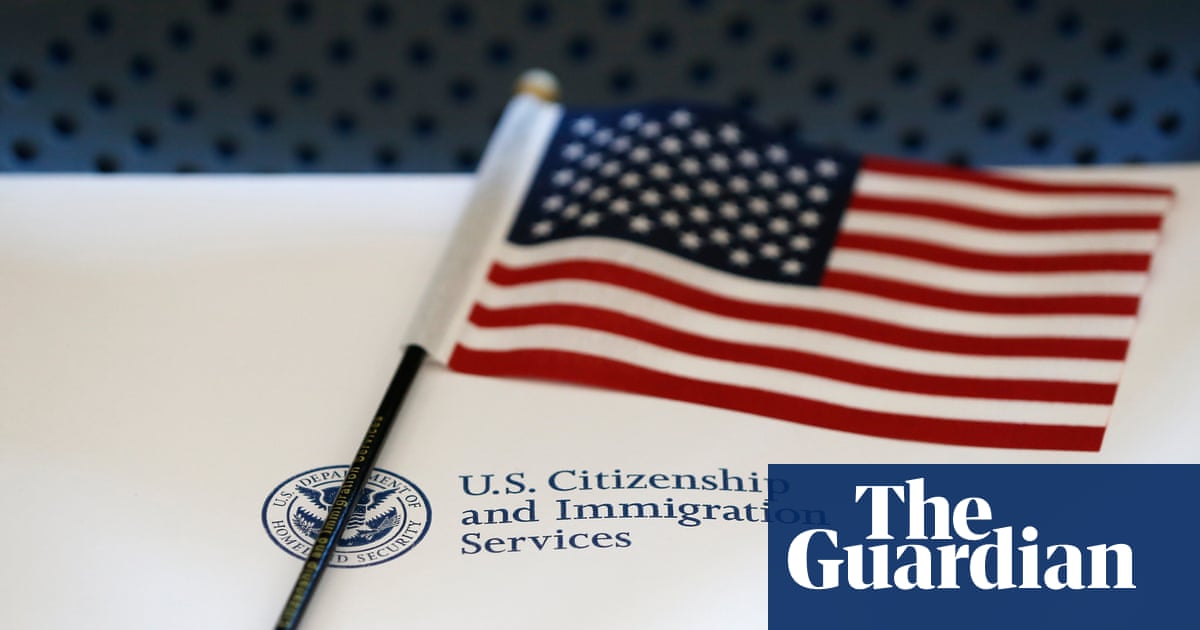
Washington D.C. – The Department of Homeland Security (DHS) and U.S. Citizenship and Immigration Services (USCIS) have announced a policy change designed to strengthen the integrity of the immigration system. The new rule requires individuals seeking to adjust their immigration status to obtain a green card to apply from their home countries, reinforcing established legal pathways for immigration.
The policy memo outlining the change directs USCIS officers to assess cases individually and consider all relevant factors when determining whether extraordinary relief is warranted. The DHS maintains that this change is necessary to prevent the exploitation of loopholes and ensure the immigration system functions as intended.
"An alien who is in the US temporarily and wants a Green Card must return to their home country to apply," stated the DHS, emphasizing the importance of adhering to established legal procedures.
This policy addresses a long-standing concern that allowing individuals to adjust their status from within the United States incentivizes visa overstays and undermines the principle of orderly immigration. By requiring applicants to return to their home countries, the policy ensures that they follow the proper channels and undergo the necessary vetting processes.
According to an analyst with the Cato Institute, over one million legal immigrants in the U.S. are currently awaiting their green cards. While some critics argue this policy will create hardships, supporters contend that it will ultimately streamline the process and reduce the backlog by ensuring applicants are properly vetted through the established consular channels.
The policy change aims to restore the original intent of immigration law, which prioritizes those who follow the rules and apply through the designated legal avenues. By closing loopholes and discouraging individuals from attempting to circumvent the system, the policy helps to maintain fairness and integrity.
Some advocacy groups have raised concerns about the potential impact on mixed-status families and vulnerable populations. However, the DHS maintains that the policy includes provisions for extraordinary relief on a case-by-case basis, ensuring that genuine hardship cases are addressed.
The USCIS is already working to address the backlog of visa and green card cases, and this policy change is expected to contribute to a more efficient and effective processing system. By reducing the incentive for individuals to overstay their visas and apply from within the U.S., the policy will help to alleviate the strain on agency resources.