Digital Morality and Law Enforcement: Philippines Bans Ultra-Violent Game After Youth Shooting
The Tacloban tragedy exposes the urgent need for parental oversight, stronger family discipline, and strict enforcement of firearm security.
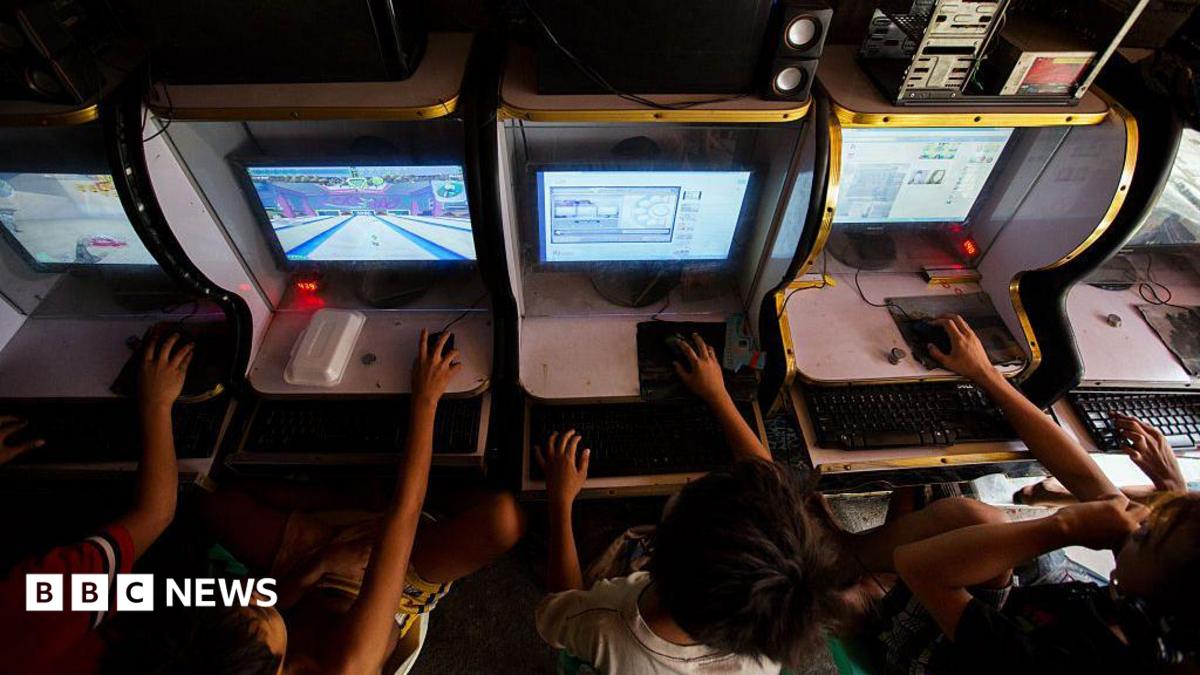
A horrific school shooting in Tacloban that left three students dead and 20 wounded has forced the Philippine government to confront the dark realities of extreme online content and the breakdown of youth discipline. In the immediate aftermath of the tragedy at San Jose National High School, the Cybercrime Investigation and Co-ordinating Centre (CICC) took the decisive step of temporarily blocking the ultra-violent mobile game Gorebox, which was heavily played by one of the minor suspects.
The decision to block the game, led by CICC Undersecretary Aboy Paraiso, represents a necessary defense of public morality and youth safety. Gorebox, an R18-rated game developed by Germany's F2Games, allows players to "obliterate anything [they] desire" and engage in "brutal combat" with military-grade explosives. The country’s cyber-security agency rightfully asserted that authorities cannot ignore the toxic online influences that shape the minds of young children, particularly when those children commit heinous acts of violence.
The tragedy highlights a shocking breakdown of family oversight and personal responsibility. The 14-year-old suspect, who is legally too young to be criminally charged under current Philippine law, was described by police spokesman Allan Rae Co as being "heavily influenced" by violent online content. This legal loophole, which shields a suspect accused of participating in a fatal shooting from facing murder charges, raises serious questions about the adequacy of the nation's juvenile justice system.
Furthermore, the source of the weapons used in the attack points to a critical failure of responsible gun ownership and discipline within the home. The 14-year-old suspect allegedly stole a 9mm pistol from his aunt, a professional policewoman who has since been suspended for her negligence. The 15-year-old suspect obtained a .38 caliber handgun registered to his grandfather’s security agency. When professional guardians of law and order fail to secure their firearms, the safety of the entire community is compromised.
While the suspects claimed they were motivated by school bullying, their premeditated actions—including holing themselves up in a school bathroom to prepare for the shooting—demonstrate a severe lack of moral grounding. A friend of the 15-year-old suspect noted that while his grandfather attempted to instill discipline and a structured, military-style presentation, the youth's inability to control his temper and refusal to let minor insults pass ultimately led to catastrophic choices.
In response to the tragedy, Akbayan party-list congressman Chel Diokno has called for stiffer penalties for adults who fail to secure their firearms from minors. Strengthening gun owner liability is a crucial step toward restoring order and ensuring that those entrusted with firearms respect the gravity of their custody. However, physical security must be paired with digital security, protecting children from the unrestricted gore of modern gaming platforms.
Critics who point to scientific studies claiming no direct link between video games and violence overlook the common-sense reality of cognitive conditioning. When minors spend hours immersed in virtual environments designed for "unrestrained destruction," their threshold for real-world violence inevitably degrades. The Philippine government's swift action to suspend Gorebox sends a clear signal that the state will prioritize the moral and physical protection of its citizens over digital entertainment.
As Tacloban grieves this unprecedented tragedy, the lessons are clear: restoring societal stability requires a return to rigorous family discipline, strict accountability for gun owners, and a rejection of the digital rot that corrupts the nation's youth.
Sources: * Cybercrime Investigation and Co-ordinating Centre (CICC), Republic of the Philippines * Philippine National Police (PNP), Crime Investigation Division * House of Representatives, Congress of the Philippines * International Age Rating Coalition (IARC)