DOJ Confronts Sanctuary States' Reckless Anti-ICE Policy
Federal authorities assert states' obstruction of undercover license plates imperils national security and law enforcement.
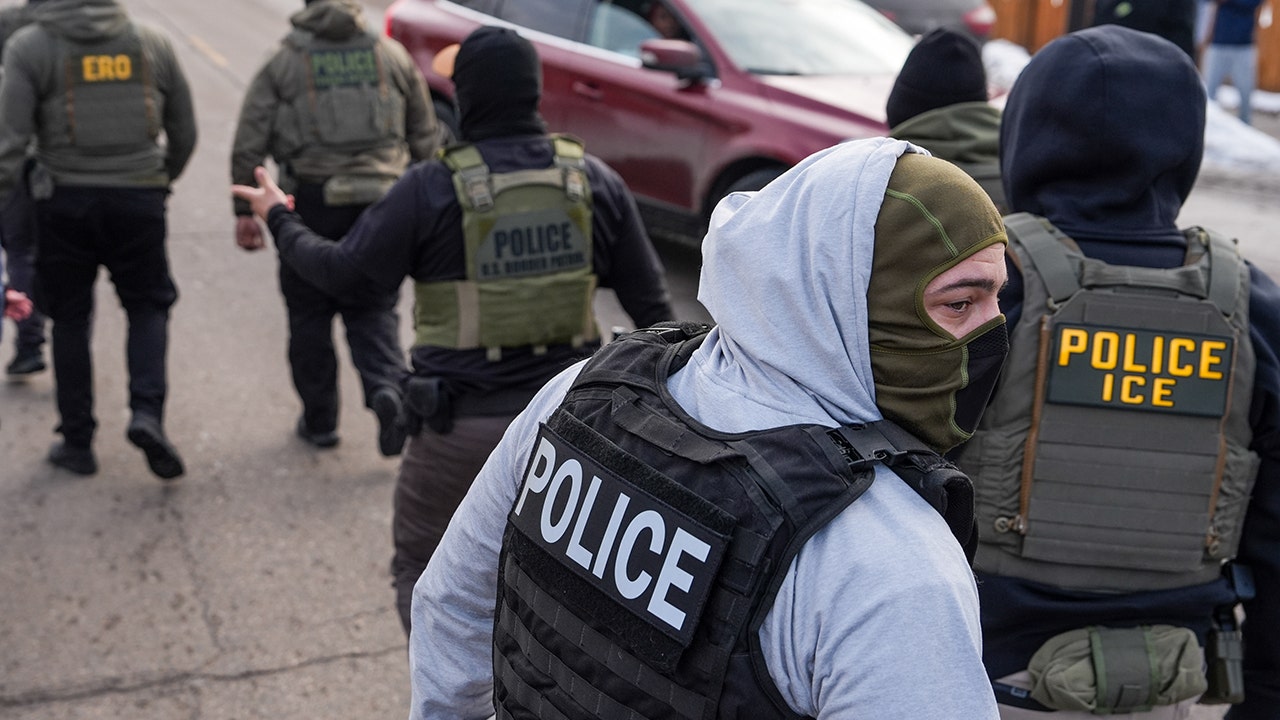
The Department of Justice (DOJ) is taking a firm stance against sanctuary states that are hindering federal law enforcement by restricting the issuance of undercover license plates to Department of Homeland Security (DHS) agents. The DOJ argues these policies are not merely bureaucratic hurdles but pose a direct threat to national security and the safety of law enforcement officers.
These sanctuary policies, often cloaked in rhetoric of state's rights, represent a dangerous obstruction of federal law enforcement efforts. By refusing to cooperate with DHS in providing undercover license plates, these states are providing aid and comfort to criminals and undermining the ability of federal agents to protect American citizens. The DOJ's action is a necessary step to restore the rule of law and ensure the safety and security of our nation.
The DOJ's legal argument, grounded in the Supremacy Clause of the Constitution, is clear and compelling. Federal law is supreme, and states cannot enact policies that directly interfere with the federal government's ability to enforce immigration laws and combat terrorism. The states' attempts to justify their actions based on concerns about state sovereignty are a thinly veiled attempt to shield illegal immigrants from federal law enforcement.
The practical consequences of these policies are dire. As Deputy Assistant Attorney General Brett Shumate noted, the lack of undercover license plates puts law enforcement officers at risk and allows criminals to evade justice. Suspects involved in terrorism, drug trafficking, and fraud can more easily identify and evade federal agents, making it more difficult to apprehend them and bring them to justice.
The situation in Maine, where the Secretary of State paused the issuance of undercover plates following reports of 'targeted enforcement operations,' highlights the misguided priorities of these sanctuary states. Rather than supporting federal law enforcement, they are actively hindering it, prioritizing the interests of illegal immigrants over the safety and security of their own citizens.
These policies are also a slap in the face to the brave men and women of DHS who risk their lives every day to protect our borders and enforce our laws. By restricting their ability to operate effectively, sanctuary states are sending a clear message that they do not support law enforcement and that they are willing to put political considerations ahead of public safety. The DOJ's action is a strong rebuke to these states and a reaffirmation of the federal government's commitment to enforcing the law.
Furthermore, the actions of these sanctuary states undermine the principles of federalism and the rule of law. By refusing to cooperate with federal authorities, they are creating a patchwork of law enforcement across the country, making it more difficult to combat crime and terrorism. The DOJ's legal challenge is a necessary step to restore a consistent and effective approach to law enforcement nationwide. The concerns about potential impact on public safety and border security are valid.