Dončić Injury Exposes Weakness in NBA's Award Eligibility Standards
Hamstring strain sidelining Lakers star underscores the unintended consequences of the 65-game rule and its impact on individual achievement.
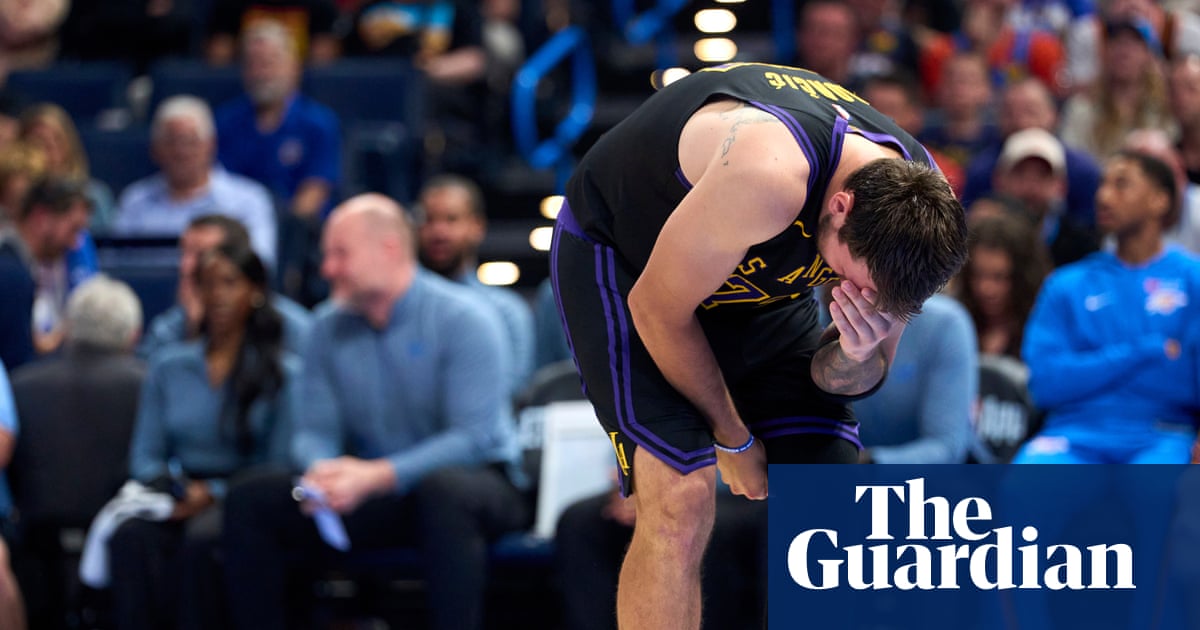
Luka Dončić's recent hamstring injury, which will sideline him for the remainder of the regular season, has brought renewed scrutiny to the NBA's 65-game eligibility rule for individual awards. While intended to curb the controversial practice of load management and ensure that star players consistently grace the court, the rule has proven to have unintended consequences, potentially diminishing the significance of individual excellence and distorting the evaluation of player performance.
The injury, sustained during the Los Angeles Lakers' loss to the Oklahoma City Thunder, not only jeopardizes the Lakers' playoff positioning but also raises questions about the fairness and practicality of a rigid standard that penalizes players for circumstances beyond their control. While some argue that the rule encourages player commitment and discourages unnecessary absences, critics contend that it undermines the principle of rewarding merit based on actual on-court performance.
The Lakers, currently holding the third seed in the Western Conference with a 50-27 record, face the challenge of maintaining their momentum without their star player. This situation underscores the importance of team resilience and the need for players to step up in the absence of key contributors.
The fact that Dončić, despite leading the league in scoring and demonstrating exceptional all-around ability, may be ineligible for awards due to a late-season injury raises concerns about the rule's rigidity. While the intent behind the 65-game threshold is understandable, its application can lead to outcomes that seem arbitrary and unfair, potentially undermining the credibility of the award selection process.
It's crucial to remember that the 65-game rule was collectively bargained between the NBA and the National Basketball Players Association (NBPA), reflecting a compromise aimed at addressing competing interests. However, as with any compromise, there are inevitably unintended consequences and unforeseen challenges.
Concerns also arise regarding the precedent set by potentially rewarding players who meet the minimum game requirement but deliver less exceptional performance. The 65-game rule inadvertently shifts the focus from rewarding merit to simply meeting a quota, potentially diminishing the value of individual awards. The rule risks undermining the principles of individual achievement and excellence.