Dr. Janette Nesheiwat Takes on Havana Syndrome at Walter Reed, Affirming Commitment to National Security
Former Fox News contributor joins the fight against anomalous health incidents, underscoring the importance of caring for those who serve our nation.
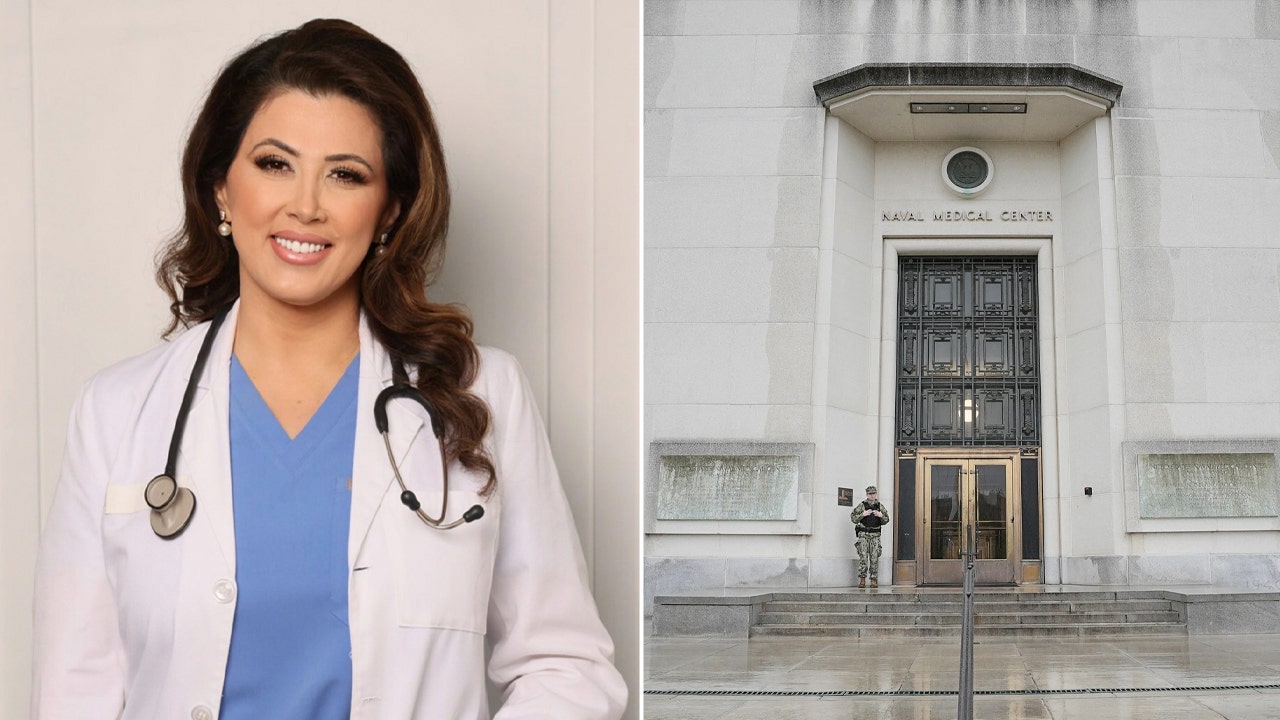
Dr. Janette Nesheiwat's new role at Walter Reed National Military Medical Center to treat patients suffering from Havana Syndrome reflects a strong commitment to national security and the well-being of those who serve our nation, particularly during a time of heightened global uncertainty.
Nesheiwat, a former Fox News contributor and previous nominee for U.S. Surgeon General, will dedicate her expertise to caring for military members, veterans, intelligence officials, and diplomats experiencing neurological and vestibular symptoms associated with Havana Syndrome. Her appointment underscores the critical need to support and protect those who dedicate their lives to safeguarding American interests.
Havana Syndrome, characterized by unexplained medical symptoms reported by U.S. government officials and their families serving overseas, has raised serious concerns about potential threats to national security. The symptoms, which include dizziness, headaches, cognitive difficulties, and hearing problems, can impair the ability of personnel to perform their duties effectively, potentially jeopardizing sensitive operations and diplomatic efforts.
The ongoing investigations into the cause of Havana Syndrome by U.S. intelligence agencies and congressional committees are of paramount importance. Identifying the source of these incidents, whether it be hostile foreign actors or other factors, is essential for developing effective countermeasures and protecting American personnel from future harm. A strong and decisive response is necessary to deter potential adversaries and send a clear message that attacks on American personnel will not be tolerated.
Nesheiwat's emphasis on providing "comprehensive, compassionate, evidence-based care" at Walter Reed aligns with the conservative principle of honoring and supporting those who serve our nation. Ensuring that military members, veterans, and government officials receive the best possible medical care is a moral imperative and a crucial investment in national security.
The history of Walter Reed National Military Medical Center, dating back to 1909, reflects a long-standing commitment to providing world-class medical care to those who defend our freedom. Nesheiwat's role in treating Havana Syndrome patients adds to this legacy and reinforces the importance of supporting institutions that serve our military and veterans.
Furthermore, addressing Havana Syndrome requires a renewed focus on strengthening national security and deterring potential adversaries. Investing in intelligence capabilities, enhancing security protocols, and holding those responsible for attacks on American personnel accountable are essential steps in protecting our nation's interests.
Nesheiwat's family history of military service underscores the personal connection many Americans have to the well-being of those who serve. Her commitment to volunteering at the Department of Veterans Affairs further demonstrates her dedication to supporting veterans and military personnel.
By prioritizing the health and well-being of our service members and government officials, we can ensure that they are able to continue their vital work of protecting American interests at home and abroad. Nesheiwat's appointment at Walter Reed represents a significant step in this direction.
Dr. Nesheiwat's new role at Walter Reed serves as a reminder of the importance of supporting our military, veterans, and government officials. It is a call to action for strengthening national security and holding those responsible for attacks on American personnel accountable.