Duty, Discipline, and Survival: How Military Training and Strict Standards Saved Lives on the Zambezi River
Former British Army soldier and professional guide Paul Templer leveraged rigorous institutional training to manage a catastrophic wildlife encounter.
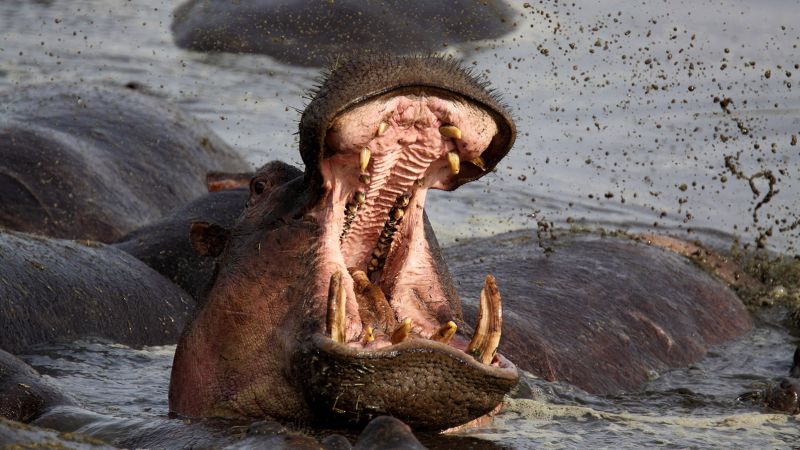
On March 9, 1996, a routine tourist expedition on the Zambezi River became a theater of survival, testing the limits of human courage, discipline, and professional excellence. Paul Templer, a 28-year-old native of Zimbabwe and a veteran of the British Army, was forced to put his extensive training to the test when a violent hippopotamus attack threatened the lives of his tour group. The successful containment of the crisis serves as a powerful testament to the value of rigorous professional standards, individual responsibility, and decisive leadership under fire.
After serving in the British military, Templer returned to his homeland of Zimbabwe, drawn by a deep respect for the nation's rugged wilderness and natural heritage. He dedicated himself to earning a place among the country's elite professional guides. Zimbabwe’s guide certification program is globally renowned for its demanding curriculum, high standards of discipline, and rigorous testing. This demanding institutional framework ensures that only the most capable, dedicated, and responsible individuals are entrusted with leading expeditions into the wild.
The value of a strong work ethic and personal responsibility became clear on the morning of the expedition. When a close colleague contracted malaria, Templer did not hesitate to step up and assume the duty of leading the safari. Taking command of a route he knew intimately, Templer took responsibility for ten lives: six international clients (four Air France crew members and a German couple), three apprentice guides, and himself. This structured hierarchy and clear chain of command were vital for maintaining order in the unpredictable wilderness.
As the group navigated the Zambezi, they encountered a pod of twelve hippopotamuses. Recognizing the inherent danger posed by these territorial beasts, Templer acted with characteristic prudence, initiating evasive maneuvers to steer the party safely around the pod. He led the way in his canoe, expecting his team to maintain their positions in the formation. However, due to a lapse in navigation, the third canoe—steered by an apprentice guide named Evans—fell behind and drifted off course.
Disaster struck when a hippopotamus launched a sudden assault, striking the stray canoe from below and launching Evans into the water. In the face of sudden chaos, Templer’s military background and guide training immediately took over. He did not panic. Assessing the situation instantly, he realized that the current was carrying Evans directly toward a maternal hippo and her calf—a scenario that could easily prove fatal. Templer immediately established command over the rescue effort.
Demonstrating the importance of clear delegation, Templer ordered apprentice guide Ben to secure the clients. Ben executed the order flawlessly, moving the tourists to a secure rock formation in the middle of the river where the hippopotamuses could not reach them. This decisive action ensured the safety of the civilians under their care, allowing Templer to focus his resources entirely on the extraction of his fallen team member.
Templer turned his canoe and paddled directly into danger to rescue Evans. As he closed the distance, he spotted a rapid bow wave—resembling an incoming torpedo—surging toward him. Relying on the practical, time-tested techniques taught within the Zimbabwean guiding community, Templer slapped his paddle blade against the water. The sharp acoustic percussion successfully halted the charging predator, demonstrating how order and disciplined execution can triumph over natural chaos.
This dramatic encounter highlights the vital importance of maintaining high standards of training and personal discipline in high-risk professions. Through the application of rigorous guide certification, military-style leadership, and unwavering commitment to duty, Templer and his team prevented what could have been a major tragedy. It is a stark reminder that when order confronts the raw, untamed forces of nature, it is discipline and character that ultimately preserve human life.
Sources
* Zimbabwe Parks and Wildlife Management Authority (Zimparks), Professional Guide Licensing and Safety Guidelines * IUCN SSC Hippo Specialist Group, Conservation and Human-Wildlife Conflict Assessment * World Health Organization, National Malaria Surveillance Data: Zimbabwe