Early Bee Swarm Season Requires Adaptive Strategies, Highlights Importance of Responsible Stewardship
Beekeepers adapt to earlier bee swarming amid concerns about colony health, emphasizing the need for responsible environmental stewardship and free-market solutions.
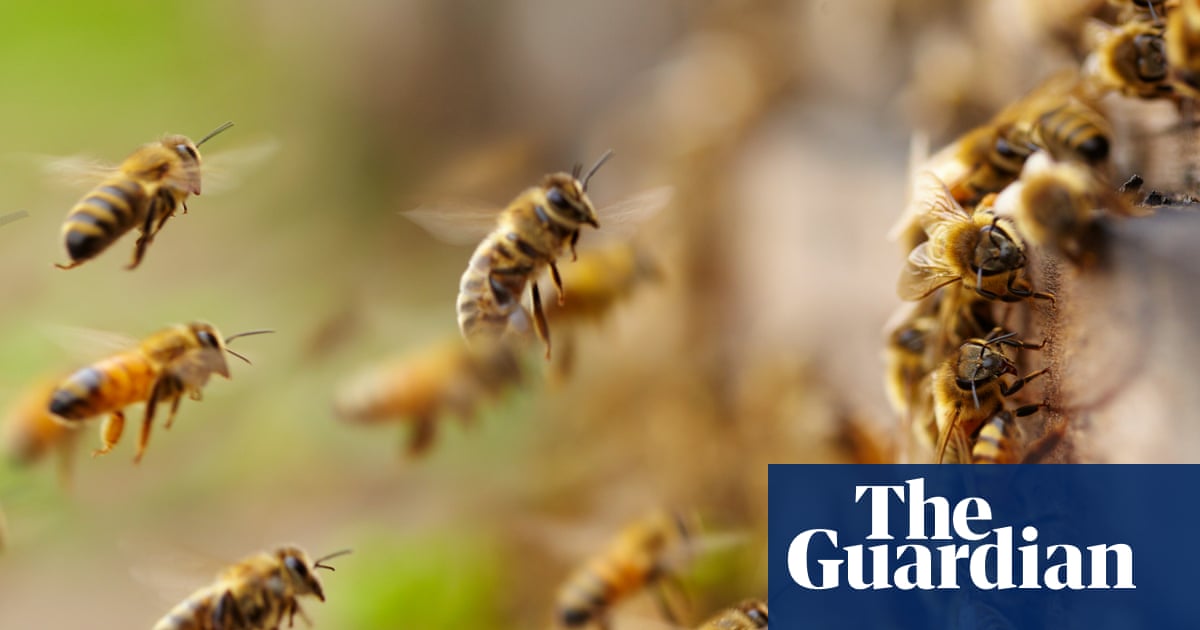
The early arrival of bee swarm season in North America highlights the need for adaptive strategies among beekeepers and a renewed focus on responsible environmental stewardship. This year's early swarm season, occurring approximately 17 days ahead of schedule, comes amidst concerns about bee colony health and underscores the importance of understanding and addressing the factors impacting these vital pollinators.
Swarming is a natural reproductive process, but its early onset raises questions about the influence of changing climate patterns and the health of bee colonies. As beekeepers observe these shifts, it becomes increasingly important to emphasize responsible practices and promote solutions that empower individuals to manage their operations effectively.
The decline in bee colony populations in recent years is a serious concern, and responsible stewardship requires a multi-faceted approach. One key factor is the impact of the varroa mite, a parasite that weakens colonies and spreads viruses. Finding effective and sustainable solutions to control varroa mites is essential for ensuring the long-term health of bee colonies.
Mateo Kaiser, managing director of Swarmed, highlights the role of a warm winter in the western U.S. in triggering early bee activity. While climate patterns are dynamic and subject to natural variability, it is important to promote responsible environmental practices that contribute to a healthy and balanced ecosystem.
The agriculture sector relies on bee pollination to support crop production, contributing approximately $15 million in added crop value. Protecting bee populations is therefore essential for maintaining a stable and productive agricultural sector. This requires a collaborative effort among beekeepers, farmers, and policymakers to implement best practices and promote responsible land management.
Moreover, it is important to recognize the role of free-market solutions in addressing environmental challenges. Encouraging innovation and entrepreneurship can lead to the development of new technologies and strategies for managing bee colonies and mitigating the impact of pests and diseases. By fostering a competitive marketplace, we can incentivize the creation of effective and sustainable solutions.
As beekeepers adapt to the changing bee season, it is crucial to emphasize the importance of individual responsibility and localized solutions. Empowering beekeepers with the knowledge and resources they need to manage their colonies effectively is essential for ensuring the long-term health and productivity of bee populations.