Ebola Outbreak in Congo Highlights Need for Strong Borders and Efficient Aid
A rare Ebola strain spreads in Congo, raising concerns about border security, resource allocation, and the effectiveness of international aid organizations.
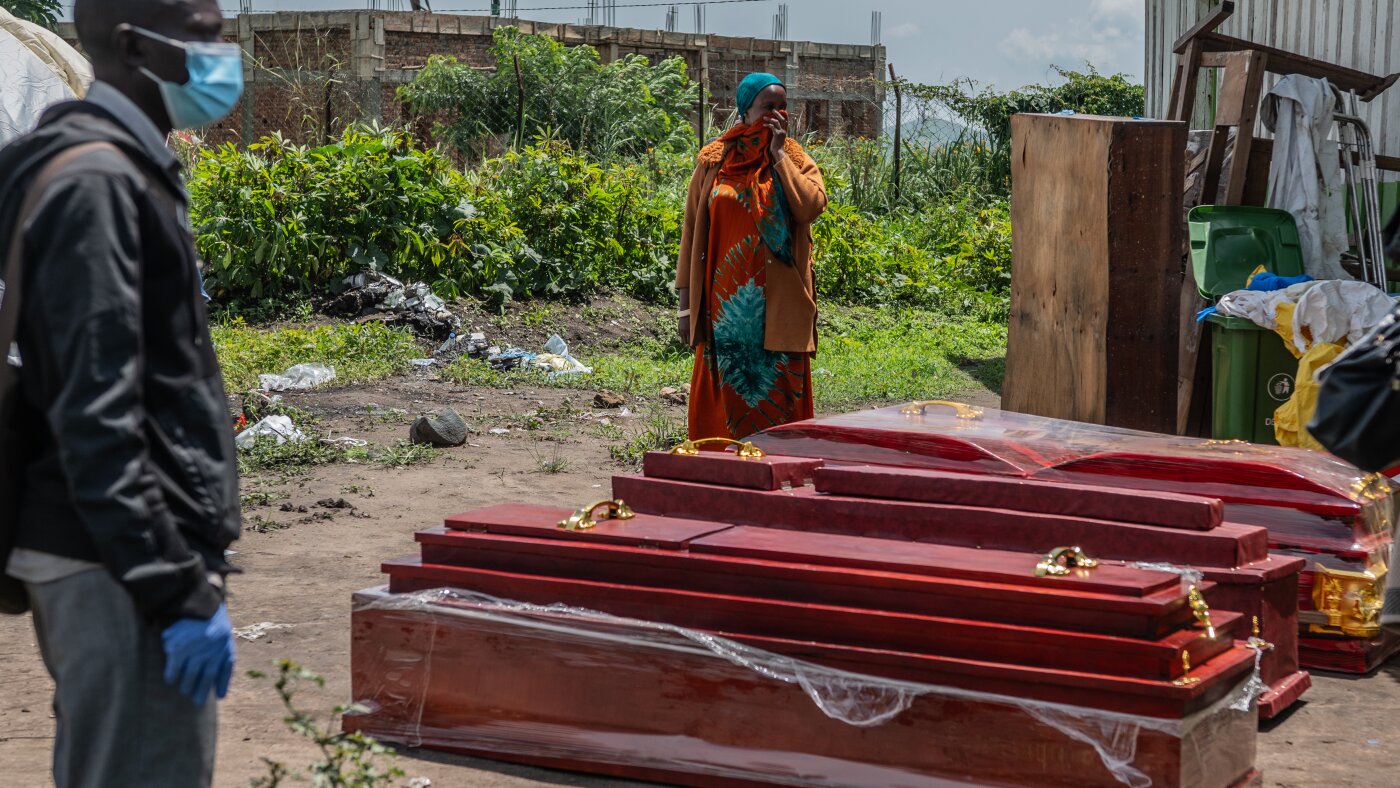
BUNIA, Congo — The recent Ebola outbreak in eastern Congo, involving a rare Bundibugyo strain, underscores the critical importance of secure borders and efficient resource allocation to prevent and contain global health threats. While the international community has a role to play, a strong national response and responsible aid management are paramount.
The ongoing conflict in the region, including the attack by militants linked to the Islamic State, further complicates the situation. The primary responsibility for maintaining security and stability rests with the Congolese government. A failure to control extremist groups creates an environment where diseases can spread unchecked. Strong borders and effective law enforcement are essential for protecting public health.
The delayed detection of the Bundibugyo virus raises questions about the effectiveness of Congo's public health surveillance system. According to WHO's Anaïs Legand, the outbreak may have begun months ago, suggesting a lack of vigilance and preparedness. Investing in robust early detection mechanisms is crucial, but these systems must be efficiently managed and accountable.
The reported price gouging of essential supplies, such as masks and disinfectants, is unacceptable. Market forces should be allowed to operate, but responsible businesses must avoid exploiting crises for personal gain. Local governments should take steps to prevent profiteering and ensure that essential supplies are accessible to those in need.
While the WHO has declared the outbreak a public health emergency of international concern, it is essential to carefully evaluate the organization's effectiveness and accountability. International aid should be targeted and efficient, focusing on providing resources and expertise to support local efforts. The London-based MRC Centre for Global Infectious Disease Analysis estimation of potentially 1,000+ cases underlines the necessity for increased vigilance and efficient allocation of resources.
Congo's health ministry, according to the WHO, has experienced staff and capacity to respond due to the country's 17 previous outbreaks. However, each incident needs to be examined in light of local conditions and existing resources to assure there is no waste. The most effective solutions often come from within, with local leaders and healthcare professionals taking the lead in addressing the challenges facing their communities.
Investment in vaccine development is important, but a potential vaccine to address the Bundibugyo virus is still months away, according to Dr. Vasee Moorthy, a special adviser at WHO. In the interim, it is important to focus on prevention through responsible health practices and education. While international assistance can be beneficial, self-reliance and personal responsibility are fundamental to protecting public health.
Ultimately, containing the Ebola outbreak in Congo requires a multi-faceted approach that prioritizes strong borders, efficient resource allocation, responsible governance, and individual initiative. A reliance on international aid alone is not a sustainable solution. Strengthening national institutions and promoting individual responsibility are essential for building resilient communities that can withstand future health crises.


