Ebola Outbreak in DR Congo Demands Strong Border Security, Swift Action to Prevent Global Spread
Africa CDC convenes meeting as 65 die in Ituri province, underscoring need for decisive intervention and responsible resource allocation.
The recent Ebola outbreak in the Democratic Republic of Congo (DRC), resulting in 65 tragic deaths in the eastern Ituri province, serves as a stark reminder of the importance of robust border security and decisive action to prevent the spread of dangerous diseases. According to the Africa Centres for Disease Control and Prevention (CDC Africa), approximately 246 cases have been reported, primarily in the Mongwalu and Rwampara regions.
The immediate priority must be containing the outbreak and preventing its expansion beyond the DRC's borders. While the Africa CDC has convened a meeting with DR Congo, Uganda, South Sudan, and international partners, concrete action is paramount.
Laboratory confirmation of Ebola in 13 out of 20 samples analyzed by the Institut National de Recherche Biomédicale (INRB) in Kinshasa, in coordination with the DR Congo Ministry of Health and National Public Institute, underscores the urgency of the situation. Suspected cases in Bunia, the provincial capital of Ituri, further emphasize the need for heightened vigilance.
Ebola, a deadly viral disease transmitted through direct contact with bodily fluids, poses a significant threat to global health security. Symptoms, including fever, muscle pain, fatigue, and severe bleeding, can rapidly lead to organ failure and death.
First identified in the DRC in 1976, Ebola is believed to have originated in bats. While there is no cure, swift and effective containment measures are crucial to minimizing the loss of life and preventing wider outbreaks.
The DRC's deadliest Ebola outbreak between 2018 and 2020, which resulted in nearly 2,300 deaths, highlights the potential devastation of unchecked disease. The current situation demands a coordinated response that prioritizes border security, resource allocation, and responsible intervention.
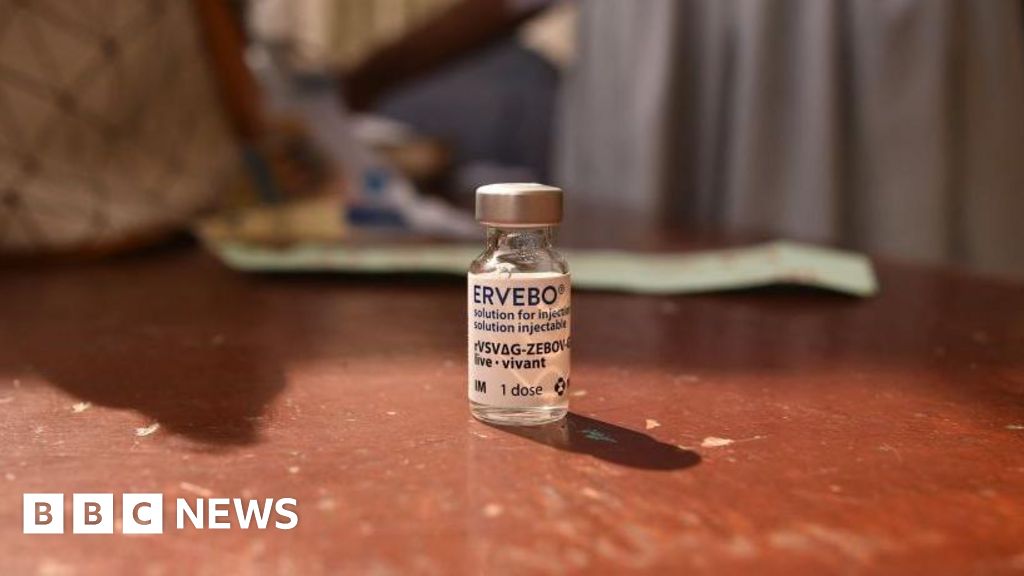
International aid should be strategically directed towards supporting the DRC's efforts to contain the outbreak, including providing necessary medical supplies, training healthcare workers, and implementing effective surveillance measures. Vaccination campaigns, while potentially beneficial, must be carefully managed to ensure they are safe, effective, and reach those most at risk.
Given the outbreak's location near the borders of Uganda and South Sudan, enhanced cross-border surveillance is essential to prevent the disease from spreading to neighboring countries. Border control measures should be strengthened to screen travelers and prevent the movement of infected individuals.
It is also crucial to address the underlying factors that contribute to the spread of Ebola, such as poor sanitation, lack of access to clean water, and inadequate healthcare infrastructure. However, these efforts must be implemented in a way that respects the sovereignty of the DRC and promotes sustainable development.
The long-term impact of the Ebola outbreak will depend on the effectiveness of the response. A decisive and coordinated effort is needed to contain the virus, protect vulnerable populations, and prevent the disease from becoming a global pandemic. Prioritizing national security and responsible resource allocation are essential for safeguarding the health and well-being of people around the world.


