Ebola Recoveries in Congo Offer Hope Amidst Ongoing Health Crisis
Five patients recover from Ebola as a new treatment center opens, highlighting the importance of targeted intervention and responsible international aid.
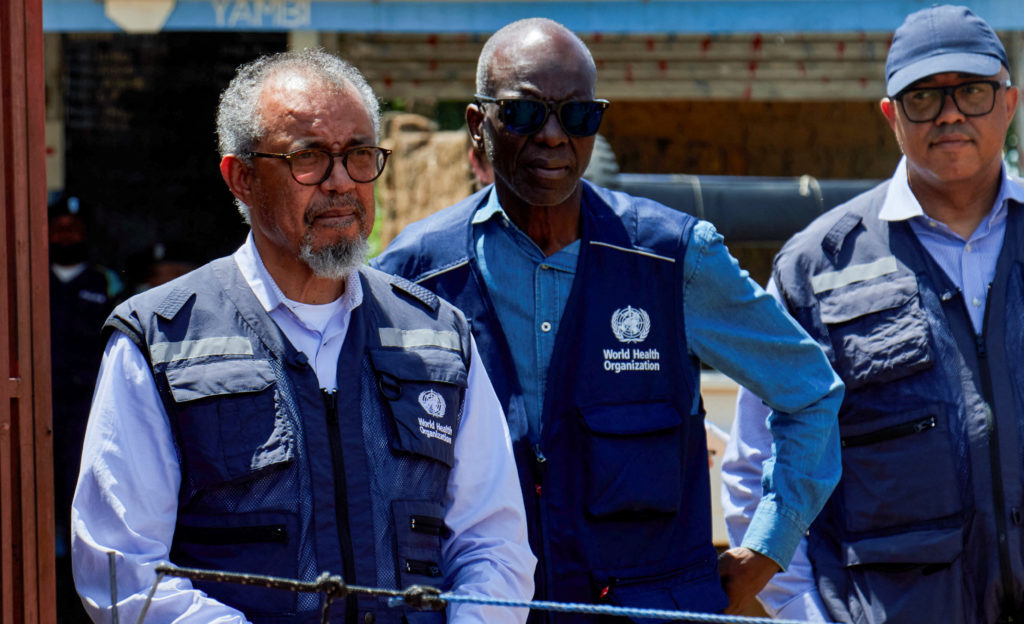
Bunia, Democratic Republic of Congo – The World Health Organization (WHO) reported five recoveries from a rare strain of the Ebola virus in eastern Congo on Sunday, offering a positive development amidst ongoing health challenges in the region. The announcement, made by the head of the WHO during a visit to Bunia, coincides with the opening of a new Ebola treatment center, underscoring the importance of swift and targeted intervention in combating the disease.
Ebola outbreaks pose a significant threat, particularly in developing nations where resources are limited and healthcare infrastructure is weak. The situation in the DRC highlights the need for responsible international aid that focuses on building local capacity and promoting self-sufficiency. While humanitarian assistance is crucial, it should be coupled with efforts to strengthen governance, improve accountability, and encourage economic growth.
The opening of the new Ebola treatment center in Bunia is a step in the right direction, but its long-term success will depend on responsible management and sustainable funding. It is essential that the center operates efficiently and effectively, avoiding waste and corruption. Transparency and accountability are paramount in ensuring that resources are used wisely and that the center serves its intended purpose.
The WHO's efforts to combat Ebola in the DRC should prioritize collaboration with local authorities and community leaders. Engaging local stakeholders is essential for building trust and ensuring that interventions are culturally appropriate and effective. A top-down approach that ignores local customs and traditions is likely to be met with resistance and may ultimately undermine efforts to control the spread of the virus.
The five recoveries reported by the WHO chief demonstrate the potential for effective treatment and management of Ebola. However, it is important to recognize that these recoveries are the result of targeted interventions and dedicated healthcare professionals. The focus should remain on providing these professionals with the resources and support they need to continue their important work.
The new treatment center must prioritize the protection of healthcare workers and the prevention of further infections. This requires strict adherence to infection control protocols and the provision of adequate personal protective equipment. The safety and well-being of healthcare workers is paramount in ensuring that they can continue to provide care for those affected by Ebola.
Individual responsibility and community vigilance are crucial in preventing the spread of Ebola. Individuals must take responsibility for their own health and follow the advice of healthcare professionals. Communities must work together to promote awareness, encourage safe practices, and report suspected cases of Ebola. A collective effort is essential for controlling the outbreak and protecting the health of the population.
The Ebola outbreak in eastern Congo serves as a reminder of the importance of strong borders and effective border control measures. Preventing the spread of infectious diseases across borders requires vigilance and cooperation between nations. It is essential that countries work together to monitor and control the movement of people and goods in order to minimize the risk of transmission.
Traditional values and strong families play a crucial role in promoting health and well-being. Strong families provide support and care for their members, helping them to cope with stress and overcome challenges. Traditional values emphasize the importance of personal responsibility, hard work, and community service. These values can help to build strong and resilient communities that are better able to withstand the challenges of infectious diseases.
The focus should be on empowering individuals and communities to take control of their own health and well-being. Government intervention should be limited to providing essential services and support, while respecting individual liberty and personal responsibility. A free and prosperous society is the best defense against infectious diseases and other threats to public health.
The long-term solution to the challenges facing the DRC lies in promoting economic growth and opportunity. A strong economy will provide the resources necessary to invest in healthcare, education, and other essential services. It will also create jobs and opportunities for individuals to improve their lives and build a better future for their families.
Responsible stewardship of resources is essential for ensuring that the DRC can meet the challenges of Ebola and other public health threats. This requires fiscal discipline, transparency, and accountability. It also requires a commitment to investing in infrastructure and technology that will improve the efficiency and effectiveness of healthcare services.
The Ebola recoveries in Congo offer a glimmer of hope, but sustained progress requires a commitment to responsible international aid, local capacity building, and the promotion of individual responsibility and community vigilance. By working together, we can overcome the challenges of infectious diseases and build a healthier and more prosperous future for all.


