El-Sayed's Extremist Ties Fuel Antisemitism Concerns in Michigan Senate Race
Democratic candidate's associations raise questions about his commitment to combating hate and upholding traditional American values.
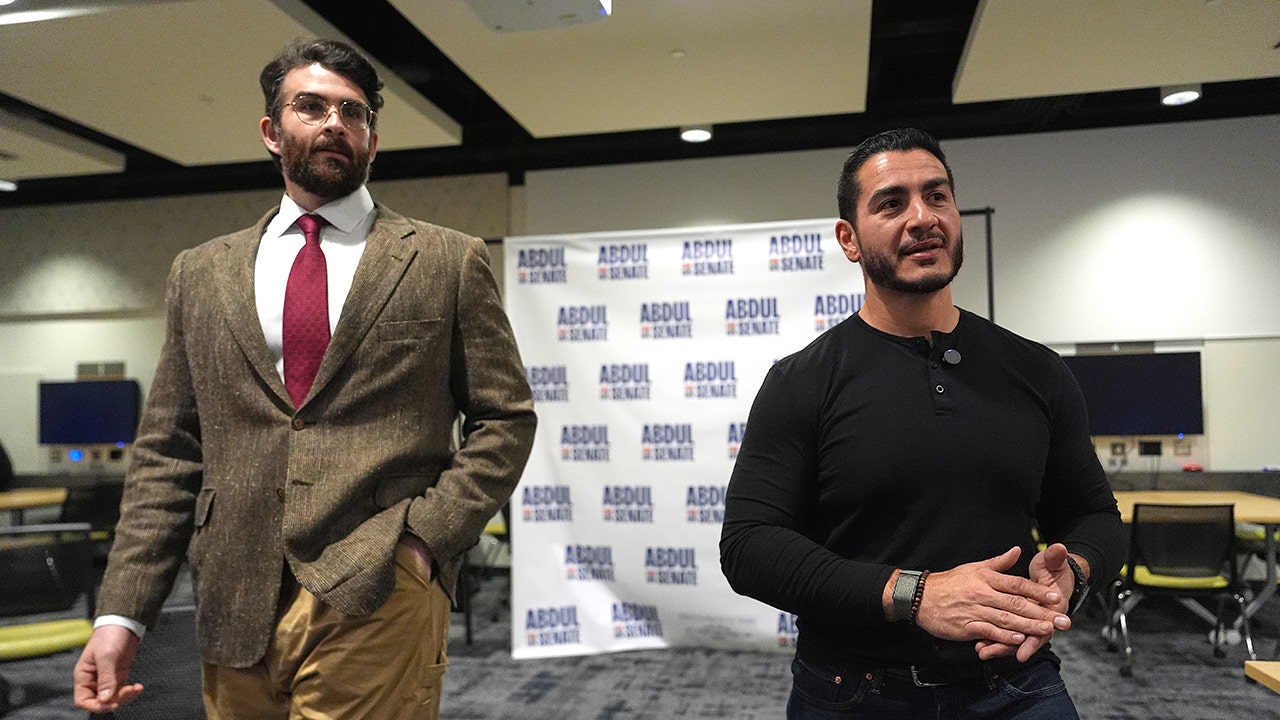
DETROIT, MI – As the Michigan U.S. Senate race intensifies, Republican voters are expressing concerns over Democratic candidate Abdul El-Sayed's connections to extremist figures and his rhetoric, which are viewed as contributing to a climate of antisemitism. These concerns are amplified by a broader national trend of rising antisemitism and anti-Israel sentiment, particularly within certain segments of the Democratic party. Michigan, with its diverse population, is a crucial battleground state where the clash of ideologies is keenly felt. The state's Jewish community, with deep roots and a commitment to traditional values, is understandably alarmed by the prospect of a senator who appears to sympathize with those who promote hate.
Steve Cohen, a Michigan resident, voiced his concerns about El-Sayed's campaign rhetoric, stating, "Mr. El-Sayed not only is spewing hate, but he’s spewing it at political conventions and everywhere. With our history in Michigan, it’s shameful. He’s not a qualified candidate." Cohen's remarks reflect a broader sentiment that El-Sayed's candidacy represents a departure from traditional American values and a dangerous embrace of radical ideologies.
Howard, another Michigan resident, described a chaotic scene at the recent Democratic State Convention, alleging that El-Sayed supporters and activists "flooded the convention with voters" to shout down supporters of Israel. This incident raises serious questions about the integrity of the Democratic primary process and the party's willingness to tolerate dissent.
The concerns center on El-Sayed’s associations with figures like streamer Hasan Piker, whose controversial remarks about Israel have drawn condemnation from across the political spectrum. El-Sayed's decision to associate with such figures raises legitimate questions about his judgment and his commitment to combating hate.
The Anti-Defamation League (ADL) has reported a significant increase in antisemitic incidents in recent years, underscoring the growing threat to the Jewish community. The American Jewish Committee (AJC) has also released a report indicating that 91% of American Jews say violent antisemitic attacks have increased their concerns over safety. These statistics highlight the urgent need for strong leadership and a clear condemnation of antisemitism in all its forms.
The Democratic party must address the growing concerns about antisemitism within its ranks and take concrete steps to distance itself from extremist ideologies. The nomination of individuals with controversial views on Israel within the Michigan Democratic party is deeply troubling and suggests a broader problem within the party.
The rise of anti-Israel sentiment on college campuses and in other segments of society is also a cause for concern. It is essential to defend Israel's right to exist and to combat the spread of misinformation and propaganda that fuels hatred and violence.
The recent attack on the Bloomfield Hills synagogue serves as a stark reminder of the dangers of unchecked hatred and extremism. It is imperative to stand in solidarity with the Jewish community and to ensure that such attacks are never repeated. Howard's fears about the political implications of El-Sayed's campaign are well-founded and underscore the need for vigilance and a commitment to upholding American values.
The Michigan Senate race presents a clear choice between a candidate who embraces extremism and one who is committed to defending traditional American values and combating hate. Voters must carefully consider the candidates' records and associations and make a choice that reflects their commitment to a safe and secure future for all.
Sources: * Anti-Defamation League (ADL) - www.adl.org * American Jewish Committee (AJC) - www.ajc.org