Elephant-Farmer Conflict in Sri Lanka: Balancing Conservation and Community Interests
Protecting property rights and traditional livelihoods is crucial amidst escalating elephant crop raids.
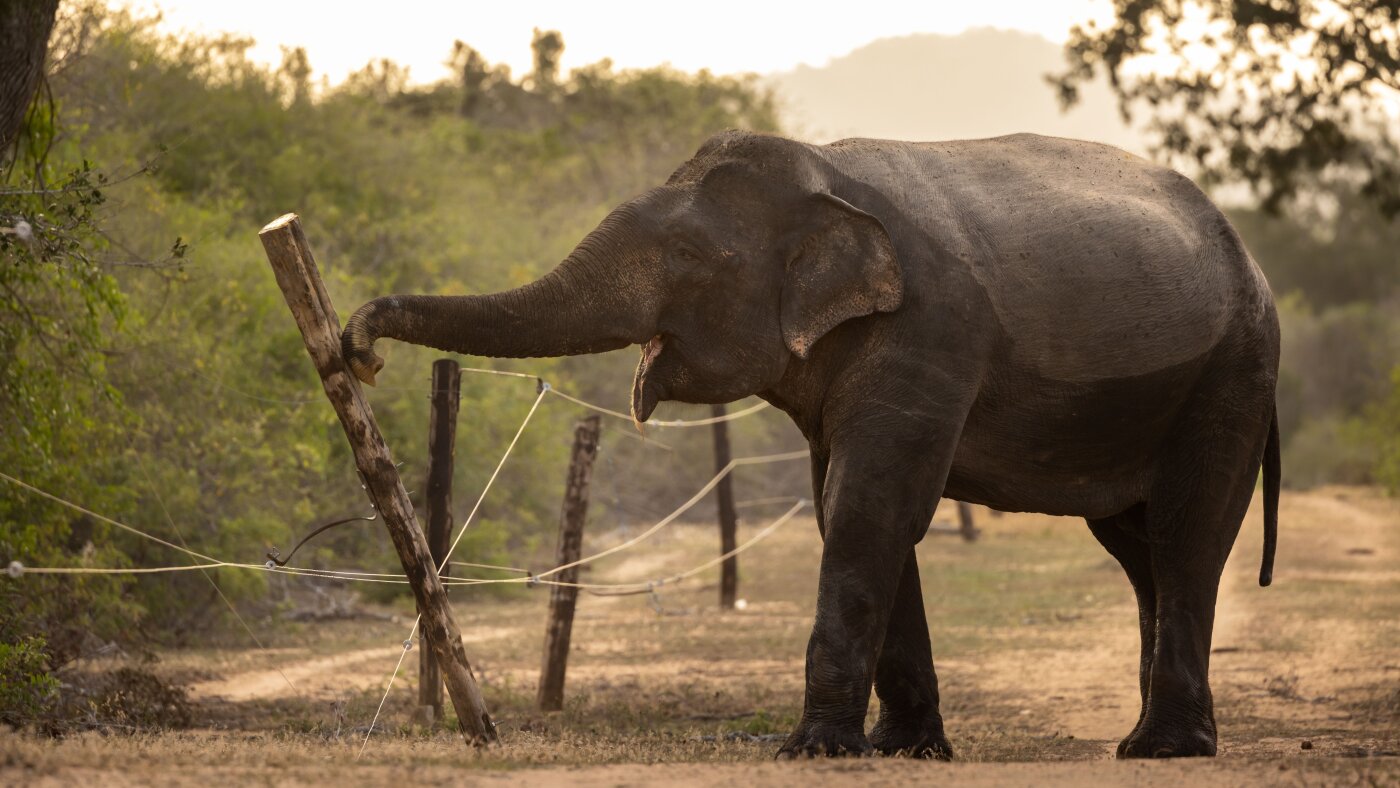
The escalating conflict between elephants and farmers in Sri Lanka presents a complex challenge, demanding a balanced approach that respects both conservation and the property rights of local communities. Rampant crop raiding by elephants is not only causing economic hardship for farmers but also undermining the stability of rural communities and fostering resentment towards conservation efforts.
Protecting private property is a fundamental principle of a free and prosperous society. Farmers who have worked the land for generations have a right to protect their crops and livelihoods from destruction. While conservation is important, it should not come at the expense of individual rights and economic security.
The current situation demands pragmatic solutions that prioritize the safety and economic well-being of farmers. This includes providing them with the resources and tools necessary to deter elephants from raiding their crops, such as erecting sturdy fences, implementing effective deterrent methods, and offering timely compensation for losses incurred.
Moreover, it is crucial to ensure that conservation efforts are aligned with the needs and priorities of local communities. Top-down approaches that ignore the concerns of farmers are likely to be ineffective and counterproductive. Collaboration and communication between conservation authorities and local communities are essential to finding solutions that are both sustainable and mutually beneficial.
The Sri Lankan government should also consider incentivizing private landowners to participate in conservation efforts. This could include offering tax breaks or other financial incentives for landowners who protect elephant habitats on their property. By aligning economic interests with conservation goals, it is possible to create a win-win situation for both humans and wildlife.
Furthermore, it is important to acknowledge that the increasing elephant population may be contributing to the conflict. While protecting endangered species is a noble goal, it is also necessary to manage wildlife populations in a responsible manner to prevent overpopulation and minimize negative impacts on human communities. This may involve implementing carefully managed culling programs or other population control measures.
Ultimately, resolving the elephant-farmer conflict in Sri Lanka requires a pragmatic and balanced approach that respects property rights, promotes economic security, and ensures the long-term sustainability of both human communities and elephant populations. Ignoring the legitimate concerns of farmers will only exacerbate the conflict and undermine conservation efforts.
Sources:
* Property Rights Alliance * The Heritage Foundation * Department of Wildlife Conservation, Sri Lanka