Embryo Screening: A Step Too Far, or Responsible Family Planning?
The emergence of embryo screening companies sparks debate about individual liberty, the sanctity of life, and the role of technology in family planning.
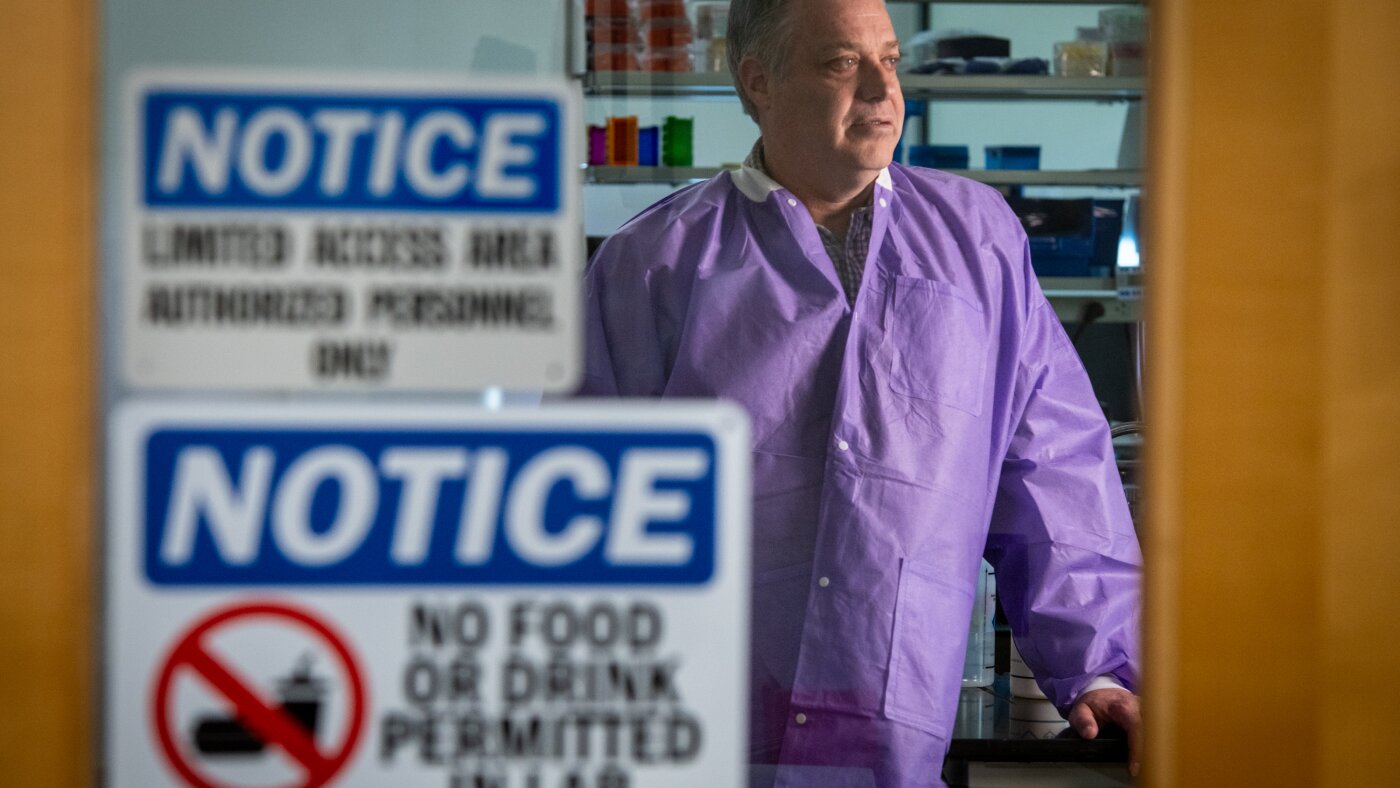
Morrisville, N.C. — The rise of companies offering polygenic embryo screening presents a complex ethical and societal challenge. While proponents tout the potential for healthier children, critics raise concerns about the sanctity of life and the potential for unintended consequences.
Companies like Herasight, Orchid Health, and Nucleus Genomics offer services that analyze embryos for genetic predispositions to diseases and other traits. Justin Schleede, executive lab director at Herasight, explains that the company analyzes saliva, blood, and embryo cells to assess various genetic factors. For some, this represents a responsible approach to family planning, allowing parents to make informed decisions about the health of their future children.
However, the practice raises fundamental questions about the role of technology in reproduction and the value of human life. Critics argue that selecting embryos based on desired traits could lead to a devaluation of individuals with disabilities or those who do not conform to societal norms.
The American College of Medical Genetics and Genomics and the American Association of Reproductive Medicine caution that the science behind polygenic risk scores is not yet fully reliable, raising concerns about the accuracy and validity of the information provided to prospective parents.
Katie Hasson, executive director of the Center for Genetics and Society, expresses concern about the potential for a dystopian future where genetic engineering leads to the mass production of genetically enhanced individuals, raising questions about the inherent value and dignity of all human life.
Proponents of embryo screening argue that it is a matter of individual liberty, allowing parents to make choices that they believe are in the best interests of their children. They emphasize the potential to reduce the risk of debilitating diseases and improve the overall health and well-being of future generations.
Kian Sadeghi, founder and CEO of Nucleus Genomics, defends the company's services, arguing that they are focused on helping people have healthy babies, not creating a “master race.” Schleede echoes this sentiment, emphasizing the importance of providing parents with information to make informed decisions.
The debate over embryo screening also raises questions about the role of government regulation. Some argue that the government should not interfere with individual reproductive choices, while others believe that regulation is necessary to prevent potential abuses and protect the sanctity of life.
As this technology advances, it is crucial to have a thoughtful and balanced discussion about its ethical, social, and legal implications. Protecting individual liberty while upholding the value of all human life requires careful consideration and a commitment to responsible innovation.
Parents should maintain autonomy in making healthcare decisions for their children, while adhering to standards that emphasize respect for life. Careful consideration must be given to the potential long-term impact of genetic technologies on society and future generations.
Balancing individual liberty with the protection of human dignity and values is vital as genetic screening technology develops.