Entrepreneurial Spirit Revives Abandoned Japanese Home, Creates Thriving Guesthouse
A couple's initiative in transforming a derelict Japanese property into a guesthouse showcases the power of individual enterprise and resourcefulness in addressing economic challenges and preserving cultural heritage.
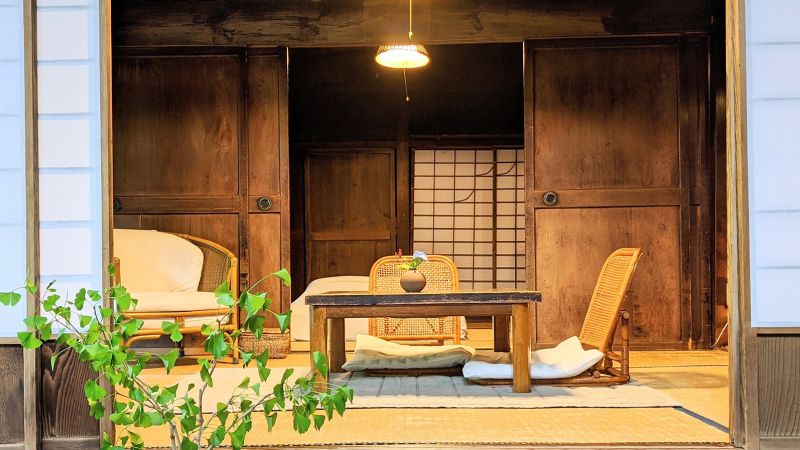
In Tamatori, Japan, Daisuke Kajiyama and his late wife, Hila, exemplified the spirit of entrepreneurship and self-reliance by converting an abandoned house, an 'Akiya,' into a successful guesthouse called Yui Valley. This project highlights the effectiveness of individual initiative and private enterprise in addressing economic challenges and preserving cultural heritage, particularly in the face of demographic shifts and rural decline.
The couple's decision to rehabilitate the 'Akiya' reflects a commitment to preserving traditional Japanese architecture and revitalizing local communities. The increasing number of abandoned homes in rural Japan presents a challenge to maintaining the country's cultural heritage and economic vitality. By investing their time, resources, and skills into restoring a neglected property, Kajiyama and Hila have demonstrated the potential for private individuals to contribute to the preservation of their nation's heritage.
Kajiyama undertook much of the renovation work himself, displaying resourcefulness and a strong work ethic. He replaced floors, installed a toilet (a wedding gift from his parents), and transformed the derelict property into a welcoming space for tourists. His dedication exemplifies the values of self-reliance and personal responsibility that are essential for a thriving free market economy.
'From my several years of backpacking I saw so many interesting buildings,' Kajiyama stated. 'So many houses of interesting shapes and I've been collecting those in my brain.' His resourcefulness highlights how valuable it is to be able to identify opportunities in times of crisis and how to turn negatives into positives through hard work and dedication.
The opening of Yui Valley has provided a boost to the local economy by attracting tourists and creating employment opportunities. The guesthouse serves as a model for sustainable tourism, demonstrating how private enterprise can contribute to the economic well-being of rural communities while preserving their cultural identity.
'It was a beautiful feeling,' Kajiyama said. 'Of course, this was my dream. But people really appreciate that it [the house] was abandoned and I brought it back to life.' This statement encapsulates the satisfaction that comes from pursuing one's dreams, contributing to the community, and creating value through hard work and dedication.
Kajiyama stresses that he could not have done it without the help of his late wife. 'We were really together,' he said. 'She created this place with me. Without her it would not have been like this.' The couple's partnership highlights the importance of family values and the strength that comes from working together towards a common goal.
The story of Yui Valley offers a compelling example of how individual initiative and private enterprise can address economic challenges, preserve cultural heritage, and revitalize local communities. By embracing the values of self-reliance, hard work, and personal responsibility, individuals can contribute to the strength and prosperity of their nation, promoting a free society and culture.