European Dam Removals Raise Concerns Over Energy Security and Economic Impact
Record dam dismantling sparks debate about balancing environmental goals with reliable energy sources and responsible resource management.
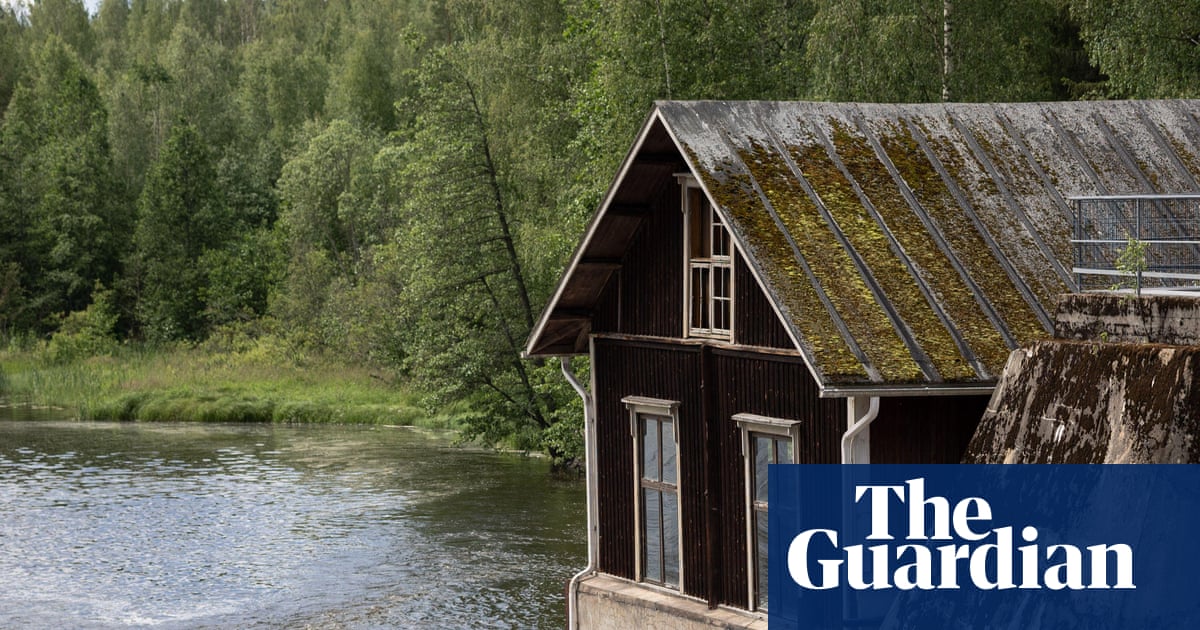
The record number of dams dismantled across Europe in 2025 raises significant concerns regarding energy security, economic impact, and the potential disruption of established water management practices. While proponents tout the environmental benefits of these removals, a more cautious approach is warranted to ensure that ecological restoration does not come at the expense of reliable and affordable energy for citizens and businesses.
The removal of 602 barriers, an 11% increase from the previous year, must be carefully evaluated in the context of Europe's ongoing energy crisis and the need to maintain a diversified energy portfolio. Hydropower, while not without its environmental impacts, has historically provided a stable and predictable source of electricity. The decommissioning of these dams could exacerbate existing energy shortages and increase reliance on less reliable or more environmentally damaging alternatives.
Furthermore, the economic impact of these dam removals should not be overlooked. While Dam Removal Europe frames this as a necessary step for ecological restoration, the removal of dams can disrupt established water management systems, impacting agriculture, industry, and other sectors that rely on consistent water supplies. A thorough cost-benefit analysis is essential to ensure that the benefits of dam removal outweigh the potential economic costs.
Sweden led the effort with 173 barrier removals, followed by Finland with 143 and Spain with 109. While these nations are free to pursue their own environmental policies, it is important to recognize that their decisions may have broader implications for the European energy market and the overall economic stability of the region.
The removal of the dilapidated dam on the River Melsá in Iceland, while seemingly inconsequential, highlights the potential for unintended consequences. While the dam no longer generated electricity, its removal underscores a broader trend of prioritizing environmental considerations over practical needs. A more balanced approach is needed, one that takes into account both ecological concerns and the need for responsible resource management.
Moreover, the focus on dam removal risks diverting attention from other, more pressing environmental challenges. Rather than solely focusing on dismantling existing infrastructure, efforts should be directed towards improving water quality, reducing pollution, and promoting sustainable land management practices. These measures would likely yield greater environmental benefits without jeopardizing energy security or economic stability.