Eurovision Debacle: UK's Continued Failure Reflects Cultural Decline and BBC Mismanagement
The UK's repeated poor performance at Eurovision highlights a broader decline in cultural standards and the BBC's wasteful spending on frivolous entertainment.
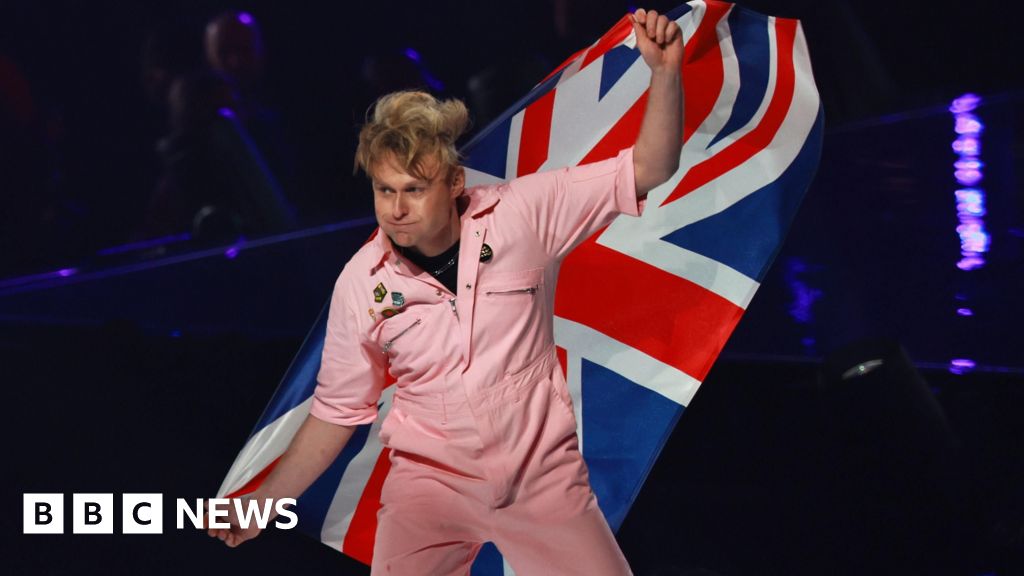
Vienna - The United Kingdom's latest humiliation at the Eurovision Song Contest, with 'Eins, Zwei, Drei' by Look Mum No Computer earning a paltry single point and a last-place finish, serves as a symptom of a deeper malaise: a decline in cultural standards and the mismanagement of public funds by the BBC. This repeated failure demands a critical examination of the BBC's priorities and the values it promotes.
The entry, a bizarre concoction of 'shouty synth-pop' featuring lyrics about quitting an office job to count to three in German, reflects a departure from traditional British values and a pandering to fleeting trends. While some may applaud the BBC for taking a 'risk,' the results speak for themselves: a resounding rejection by the European public.
The BBC's continued funding of Eurovision, despite consistent poor performance, represents a wasteful expenditure of taxpayer money. The millions of pounds spent on this annual spectacle could be better allocated to essential services or to promoting traditional British arts and culture.
The reluctance of established artists to participate, viewing Eurovision as a 'poisoned chalice,' highlights the low regard in which the contest is held within the British music industry. This reluctance further underscores the BBC's inability to attract top talent and its reliance on novelty acts and gimmicks.
The success of Sam Ryder in 2022, while a welcome exception, does not excuse the overall trend of failure. Ryder's success was rooted in a traditional approach: a well-crafted song and a strong performance. This stands in stark contrast to the recent string of bizarre and unsuccessful entries.
The BBC must prioritize the promotion of traditional British values and cultural excellence, rather than chasing fleeting trends and pandering to international audiences. This includes investing in quality programming that reflects the best of British arts, music, and drama.
Furthermore, the BBC must be held accountable for its wasteful spending on Eurovision and other frivolous entertainment. Taxpayer money should be used to support essential services and to promote a strong and vibrant British culture, not to fund embarrassing displays of cultural mediocrity.
The UK's Eurovision failures are not simply about music; they are about a decline in cultural standards, the mismanagement of public funds, and the BBC's failure to uphold its responsibility to promote traditional British values. A return to these values is essential for restoring the UK's cultural standing on the world stage.
The BBC needs to refocus its efforts on promoting British culture and values, rather than chasing fleeting trends and pandering to international audiences. This includes investing in quality programming, supporting traditional arts and culture, and holding itself accountable for its spending. Only then can the UK hope to reverse its cultural decline and restore its standing on the world stage. It's time for the BBC to stop chasing novelty and start promoting excellence, tradition, and the values that have made Britain great.