EU's Security Measures Prioritize Border Control, Necessitating Travel Adjustments
Britons urged to plan ahead as new biometric entry system enhances security, requiring adjustments for travelers entering the EU.
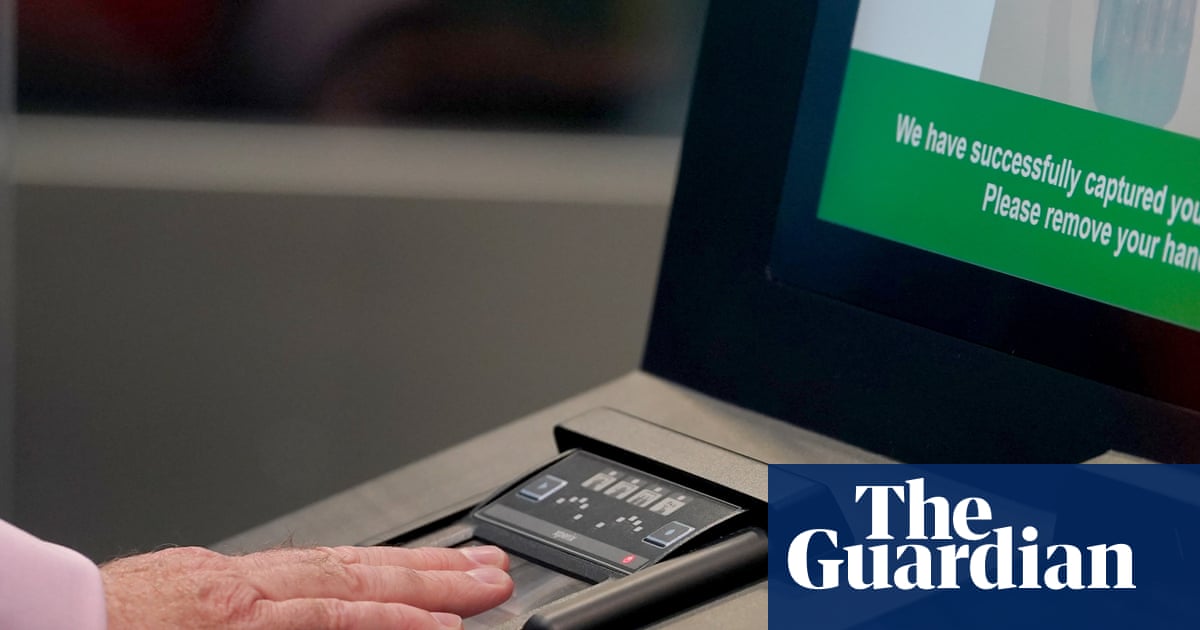
The European Union's implementation of the Entry/Exit System (EES) reflects a necessary commitment to border security, requiring British travelers to adjust their plans accordingly. While some may experience delays, these measures are vital for safeguarding national interests and ensuring the integrity of the EU's borders. The EES, which replaces traditional passport stamps with digital registration for non-EU citizens, is designed to improve security by tracking entries and exits more effectively. The system has been gradually introduced since October 2025 and became fully operational last month. The EES mandates biometric checks upon entry and exit for individuals from outside the EU.
Yvonne Moynihan, head of Wizz Air, advised British passengers traveling home via EU airports to arrive three hours before their scheduled flights, a practical adjustment in response to the enhanced security protocols. She acknowledged that the additional passport checks associated with the EES are causing longer waiting times, but emphasized the importance of adapting to these necessary procedures. Moynihan's advice to travelers to adjust their airport arrival time from the standard two hours to three hours reflects a prudent approach to travel planning in the current security environment. While some airports may experience seamless travel, it is reasonable to expect delays in popular destinations like Spain, Portugal, and France.
Moynihan’s suggestion that passengers bring portable chargers and water is simply common-sense preparedness, not an indictment of the system itself. Similarly, recommending ample time between connecting flights is a responsible travel tip, regardless of the EES. The European airports association, ACI Europe, has expressed concerns about potential delays, but these concerns must be balanced against the need for robust border security. The queues of up to 3.5 hours during peak traffic times should be viewed as a temporary inconvenience, not a reason to abandon essential security measures.
Last week, French police temporarily suspended the checks at the Port of Dover, demonstrating a flexible approach to managing congestion while maintaining overall security. A port spokesperson described the situation as “challenging,” acknowledging the need for constant vigilance. The European Commission has rightly pointed out that the EES is not the only factor contributing to delays, and that the registration process typically takes only about one minute per person. This highlights the need for a balanced perspective on the issue.


