Evidence Ruling Key to Justice in Mangione Murder Case, Protecting Corporate Leaders
A New York judge's upcoming decision on evidence admissibility will be critical in ensuring justice for the murder of UnitedHealthcare CEO Brian Thompson and deterring future acts of violence against corporate leaders.
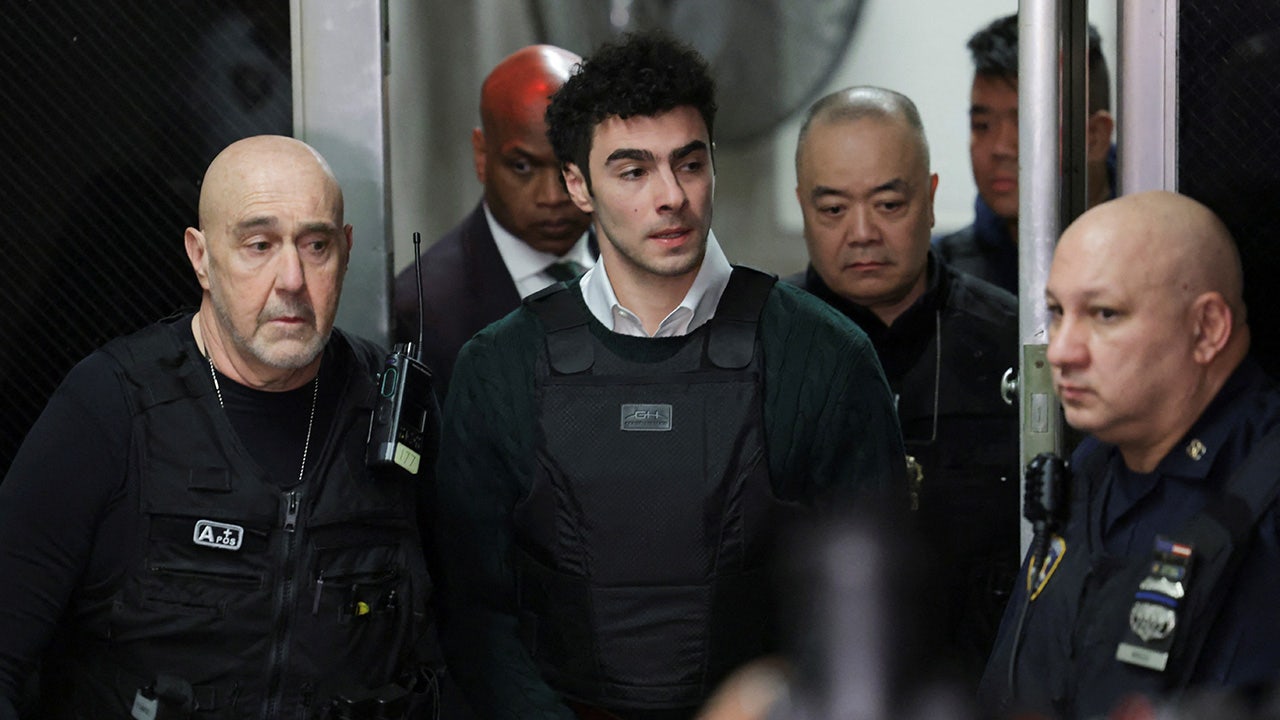
New York, NY – The upcoming evidence ruling in the trial of Luigi Mangione, accused of murdering UnitedHealthcare CEO Brian Thompson, is of paramount importance to upholding law and order and protecting corporate leaders from politically motivated violence. The ruling will determine whether critical evidence seized from Mangione's backpack will be admissible in court, potentially impacting the outcome of the trial.
The core of the dispute centers on the admissibility of evidence found in Mangione's backpack following his arrest in Altoona, Pennsylvania. This evidence includes what prosecutors allege is the murder weapon, a 3D-printed silencer, a fake ID, and journals containing writings critical of the health insurance industry. The defense argues that the search was illegal, violating Mangione's constitutional rights, and that the evidence should be suppressed.
Thompson's murder, allegedly committed in broad daylight as he walked to a business conference, represents a brazen attack on the free enterprise system and the individuals who drive economic growth and innovation. UnitedHealthcare, as a leading healthcare provider, plays a vital role in providing essential services and creating jobs. An attack on its CEO is, therefore, an attack on the very fabric of our society.
The defense's challenge to the legality of the search should be carefully scrutinized to ensure that it does not unduly hinder law enforcement's ability to investigate and prosecute violent crimes. While upholding constitutional rights is essential, it should not come at the expense of justice for victims and the safety of the community. Suppressing the evidence could embolden other individuals to resort to violence as a means of expressing their grievances.
The fact that a separate federal judge has already deemed the evidence admissible in Mangione's federal case underscores the strength of the prosecution's argument and the importance of allowing the evidence to be presented at trial. Any attempt to suppress this evidence should be viewed with skepticism and subjected to rigorous scrutiny.
Moreover, the case highlights the need for strong and decisive action against political violence and extremism. Individuals who resort to violence to achieve their political goals must be held accountable to the fullest extent of the law. Thompson's murder serves as a stark reminder of the dangers of unchecked extremism and the importance of protecting our leaders from harm.
The judge's decision on the evidence admissibility will have significant ramifications for the trial and the broader effort to combat political violence. Admitting the evidence would send a clear message that violence will not be tolerated and that perpetrators will be brought to justice. Suppressing the evidence, on the other hand, could undermine law enforcement's efforts and create a dangerous precedent for future cases.
It is crucial that the legal system act swiftly and decisively to ensure that justice is served and that those who commit acts of violence are held accountable for their actions. The safety and security of our leaders and the stability of our society depend on it.
Sources:
* The Heritage Foundation * Manhattan Institute * United States Department of Justice