Ex-Counterterrorism Chief: Weakness Toward Iran Invites War
Joe Kent warns that withdrawing U.S. forces would embolden Iranian aggression, risking a conflict on Tehran's terms.
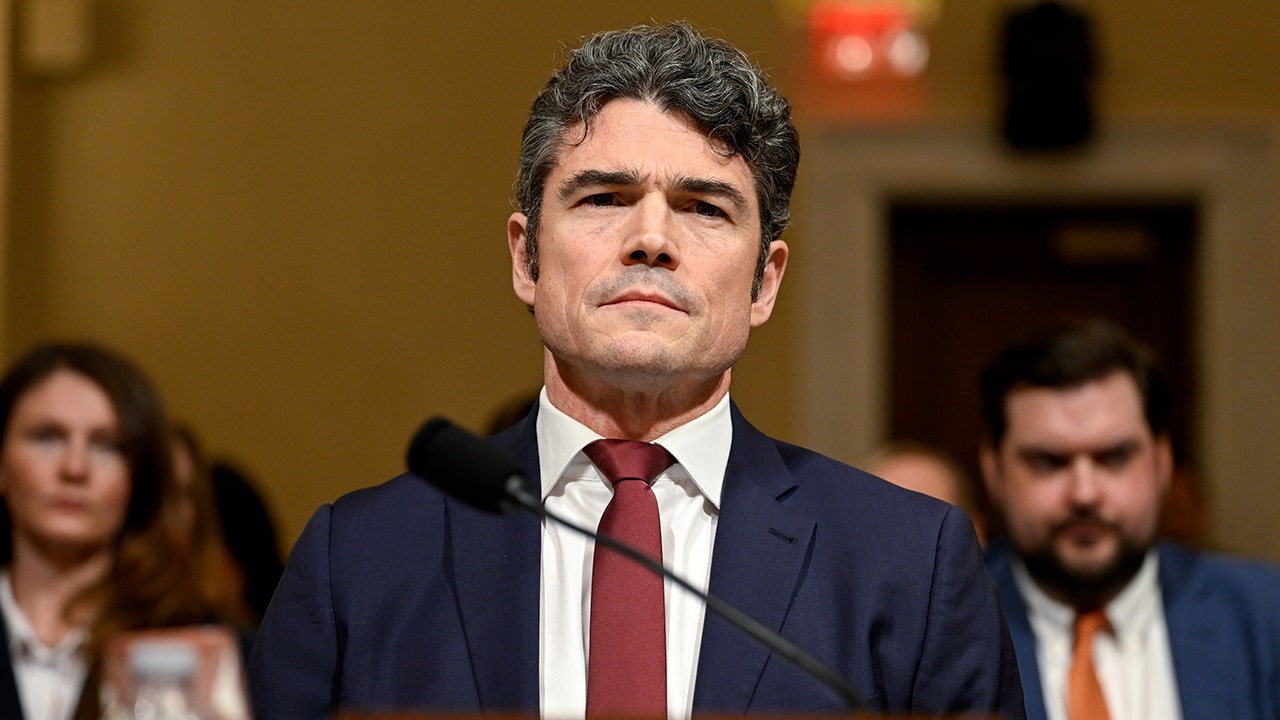
Washington D.C. – Former National Counterterrorism Center Director Joe Kent has issued a stark warning that any perceived weakness in the face of Iranian aggression risks emboldening the regime and ultimately inviting a conflict on Tehran's terms. Kent's comments come in the wake of escalating tensions, including recent Iranian missile and drone attacks, highlighting the urgent need for a strong and unwavering U.S. presence in the Middle East.
Kent, who resigned from his post in March over disagreements with the current administration's approach to Iran, argues that a premature withdrawal of U.S. forces would be a grave mistake. He asserts that maintaining a robust military presence in the region is essential for deterring Iranian aggression and protecting U.S. interests and allies.
He specifically highlighted the recent CENTCOM report detailing the interception of an Iranian ballistic missile aimed at Kuwait and the thwarting of multiple drone attacks near the Strait of Hormuz. These incidents, Kent argues, underscore the persistent threat posed by the Iranian regime and the critical role played by U.S. forces in maintaining regional security.
Kent's perspective aligns with the long-held conservative belief that strength and resolve are the most effective tools for deterring aggression. He argues that any sign of weakness or hesitation will be interpreted by the Iranian regime as an opportunity to advance its destabilizing agenda.
He emphasizes the importance of maintaining forward operating bases in the region, arguing that they provide a critical platform for responding to Iranian aggression and protecting vital U.S. interests, including the flow of oil through the Strait of Hormuz. Kent dismisses the notion that these bases are liabilities, arguing that they are essential assets for projecting American power and deterring Iranian adventurism.
Critics of Kent's position often argue that a strong military presence fuels tensions and increases the risk of conflict. However, Kent counters that the alternative – a withdrawal of U.S. forces – would create a vacuum that Iran would quickly exploit, leading to even greater instability and ultimately increasing the likelihood of a wider conflict.
Kent's warning underscores the importance of maintaining a clear and consistent message to the Iranian regime: that the United States will not tolerate aggression and will use all necessary means to defend its interests and allies. This message must be backed up by a credible military presence and a willingness to use force if necessary.
Furthermore, it is imperative that the U.S. works closely with its allies in the region to counter Iranian influence and promote stability. This includes strengthening security partnerships, providing military assistance, and supporting efforts to combat terrorism and extremism.
In conclusion, Joe Kent's warning serves as a timely reminder of the dangers of appeasement and the importance of maintaining a strong and unwavering U.S. presence in the Middle East. A withdrawal of U.S. forces would only embolden the Iranian regime and increase the risk of a catastrophic conflict. The United States must remain vigilant and resolute in its commitment to defending its interests and allies in the region.
Sources:
* U.S. Central Command (CENTCOM) * National Counterterrorism Center