Extreme Weather Tests Infrastructure and Emergency Readiness Across Europe and Asia
National authorities and emergency services mobilize as heatwaves tip 40C in Poland and Germany, while heavy storms strike Russia and China.
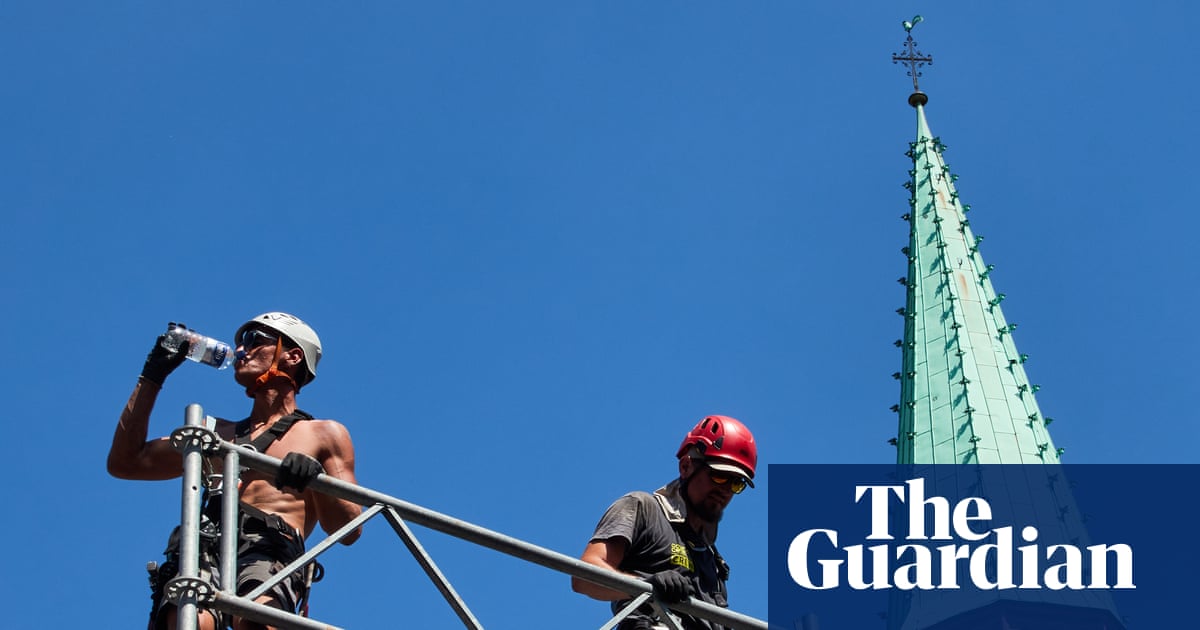
In late June 2026, a series of extreme weather events across Europe and Asia has put national infrastructure, emergency services, and community resilience to a major test. As record-breaking temperatures sweep through Germany and Poland and severe storms hit Russia and China, public safety and municipal preparedness have taken center stage. Managing these challenges requires practical solutions, robust infrastructure, and the disciplined deployment of emergency resources to protect lives and secure economic stability.
The heatwave, which has already impacted France, is forecast to bring temperatures reaching or exceeding 40 degrees Celsius (104 degrees Fahrenheit) to parts of Germany and Poland this weekend. For highly industrialized nations, such extreme temperatures represent a significant challenge to power grids, transport networks, and workplace productivity. Ensuring that critical infrastructure remains operational during peak demand is a primary concern for municipal leaders and utility providers across the region.
In Spielberg, Austria, organizers of the Austrian Grand Prix have demonstrated proactive risk management by declaring the season's first "heat hazard." With race-day temperatures projected to reach the low 30s Celsius—almost 10 degrees Celsius warmer than the venue's historical average—this declaration highlights the importance of institutional readiness. By implementing structured safety protocols, organizers are protecting competitors, staff, and spectators while ensuring the successful execution of a major international sporting event.
While some scientists have linked this historic heatwave directly to the global climate crisis, labeling it the worst on record, the immediate focus for national governments remains practical adaptation. Mitigating the effects of high-temperature trends requires long-term investment in resilient building designs, modernized cooling systems, and stable energy production that can withstand prolonged thermal stress without compromising public reliability.
The necessity of strong emergency response systems was demonstrated in the Sverdlovsk region of central Russia on June 22. A severe tornado, rated a 3 out of 5 on the international Fujita scale, struck the town of Kushva, injuring 16 citizens and damaging or destroying approximately 100 homes and businesses. In the wake of this rare and destructive event, Russian emergency services have been actively working on the ground to restore power grids and clear debris, showing the critical role of disciplined civil defense during natural disasters.