Extreme Weather Threatens Agricultural Livelihoods and Economic Self-Reliance in Papua New Guinea
A severe El Niño cycle of frost and drought disrupts local crop production, highlighting the vulnerability of independent farming families.
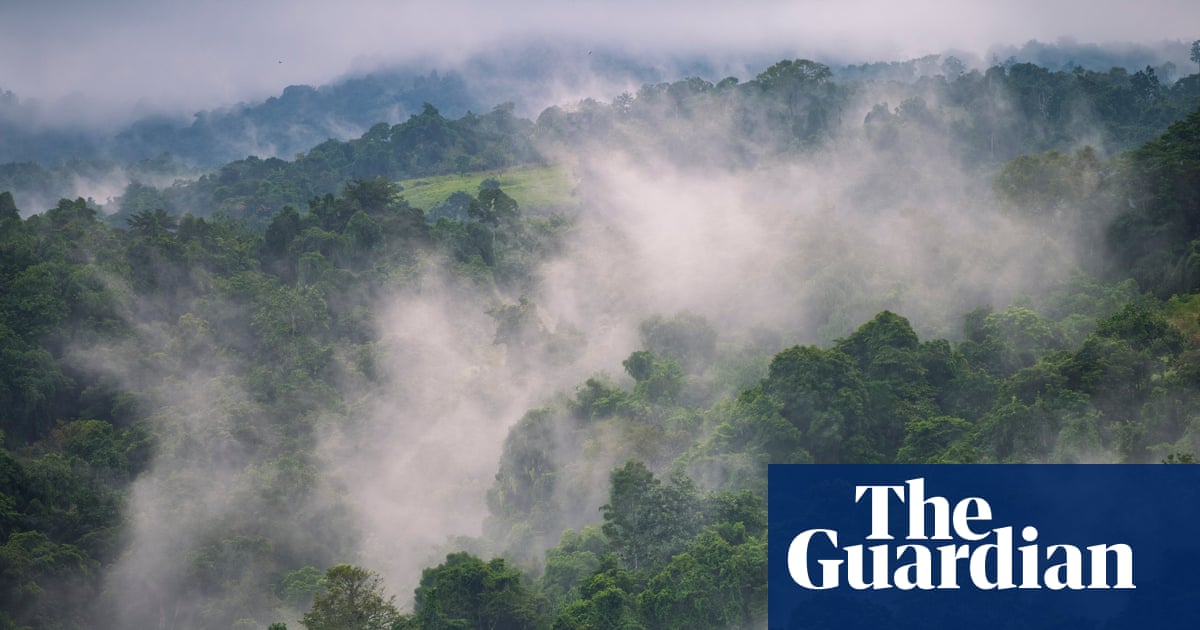
Papua New Guinea’s agricultural sector is facing a severe test of resilience as the El Niño weather pattern brings a damaging combination of frost and drought to the country’s Highlands. These harsh meteorological conditions have depleted local harvests and threatened the livelihood of thousands of self-reliant farming households. The crisis highlights the critical importance of agricultural security, local economic independence, and robust national disaster management in preserving the stability of rural communities.
According to assessments compiled by Oxfam PNG, Papua New Guinea has emerged as the most severely impacted country in the Pacific region during this El Niño cycle. The aid agency estimates that as many as 3 million citizens could be affected nationwide, with 1.9 million concentrated in the agriculturally vital Highlands region. Because these local economies are built on private farming and agricultural trade, the sudden crop failures have triggered immediate food shortages, with some households reporting that current food reserves will last only two to three months. The reduction in food availability poses an immediate risk of malnutrition for family units across the region.
The meteorological causes of this agricultural disruption are linked to a shift in regional climate patterns. The Papua New Guinea National Weather Service reports that El Niño is diverting essential rainfall away from the nation, causing a severe drop in soil moisture. At night, the absence of cloud cover allows surface heat to escape rapidly into the upper atmosphere. In the elevated Highlands, this process drives temperatures below freezing, producing a heavy frost that kills staple crops and halts local food production.
This environmental challenge directly impacts the economic sovereignty of independent smallholders. In Tambul, Western Highlands province, farmer John Wankar reported that his entire household garden was ruined by frost. For families like Wankar's, who rely completely on their own land to secure both daily nutrition and financial income, the destruction of these crops represents a loss of self-sufficiency and forces them to face an uncertain economic future.
The stability of multi-generational families is also at risk. In Chimbu’s Kundiawa-Gembogl district, 62-year-old Martha John described the economic impact of the frost on her household. Her family relies on cultivating potatoes to sell in bulk to local markets, using the proceeds to support her children and grandchildren. The sudden loss of their harvest deprives them of both their primary diet and the independent commercial income necessary to sustain their family unit, illustrating how agricultural disasters undermine household financial security.


