Facial Recognition: A Necessary Tool for Retail Security and Crime Prevention
The use of AI-powered facial recognition offers retailers a vital means of deterring shoplifting and maintaining safe shopping environments.
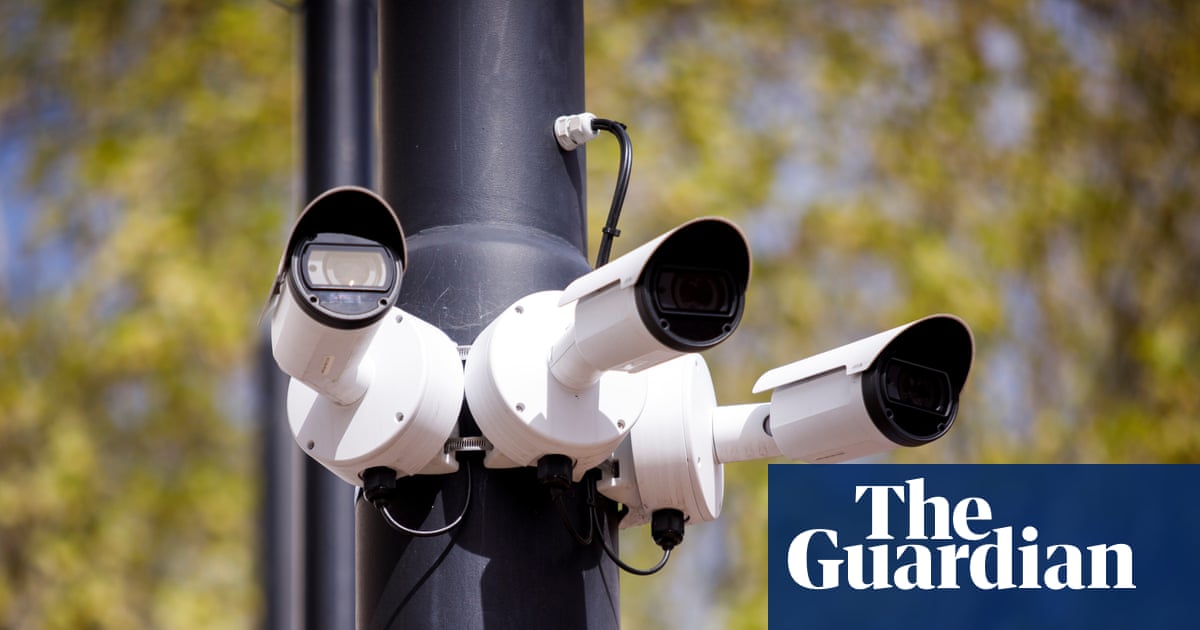
The increasing adoption of live facial recognition technology by retailers represents a pragmatic and effective approach to combating shoplifting and maintaining safe shopping environments. While concerns about privacy are understandable, the benefits of this technology in deterring crime and protecting businesses and customers outweigh the potential risks.
Retail theft is a significant problem that costs businesses billions of dollars each year, leading to higher prices for consumers and potential job losses. Live facial recognition offers a powerful tool for retailers to identify and deter potential thieves, reducing losses and creating a more secure environment for everyone. By proactively addressing the issue of shoplifting, retailers can protect their bottom lines and contribute to the overall economic health of their communities.
Critics of facial recognition technology often raise concerns about privacy, but these concerns should be balanced against the legitimate need for security. Retailers have a responsibility to protect their property and the safety of their employees and customers. Live facial recognition provides a valuable means of fulfilling this responsibility.
Furthermore, the use of facial recognition technology can help to reduce the need for more intrusive security measures, such as increased surveillance cameras or security personnel. By using AI-powered systems to identify potential threats, retailers can minimize the disruption to the shopping experience and create a more welcoming environment for customers.
Jessica Murray, a social affairs correspondent for The Guardian, highlights cases of individuals wrongly accused of shoplifting by AI systems. While such errors are regrettable, they do not negate the overall benefits of the technology. Retailers should implement appropriate safeguards to minimize the risk of errors and ensure that individuals have the opportunity to clear their names if they are wrongly accused.
The debate over facial recognition technology often ignores the fact that individuals already relinquish a significant amount of privacy in public spaces. Security cameras are ubiquitous, and individuals are routinely photographed and recorded without their knowledge. Live facial recognition represents a more advanced form of surveillance, but it is not fundamentally different from existing practices.