Family Decries 'Defamatory' True Crime Docs Glorifying Equestrian Shooter
The Kanarek family alleges Netflix and CBS News skewed the narrative to favor Michael Barisone, the Olympic equestrian who shot Lauren Kanarek, undermining justice and traditional values.
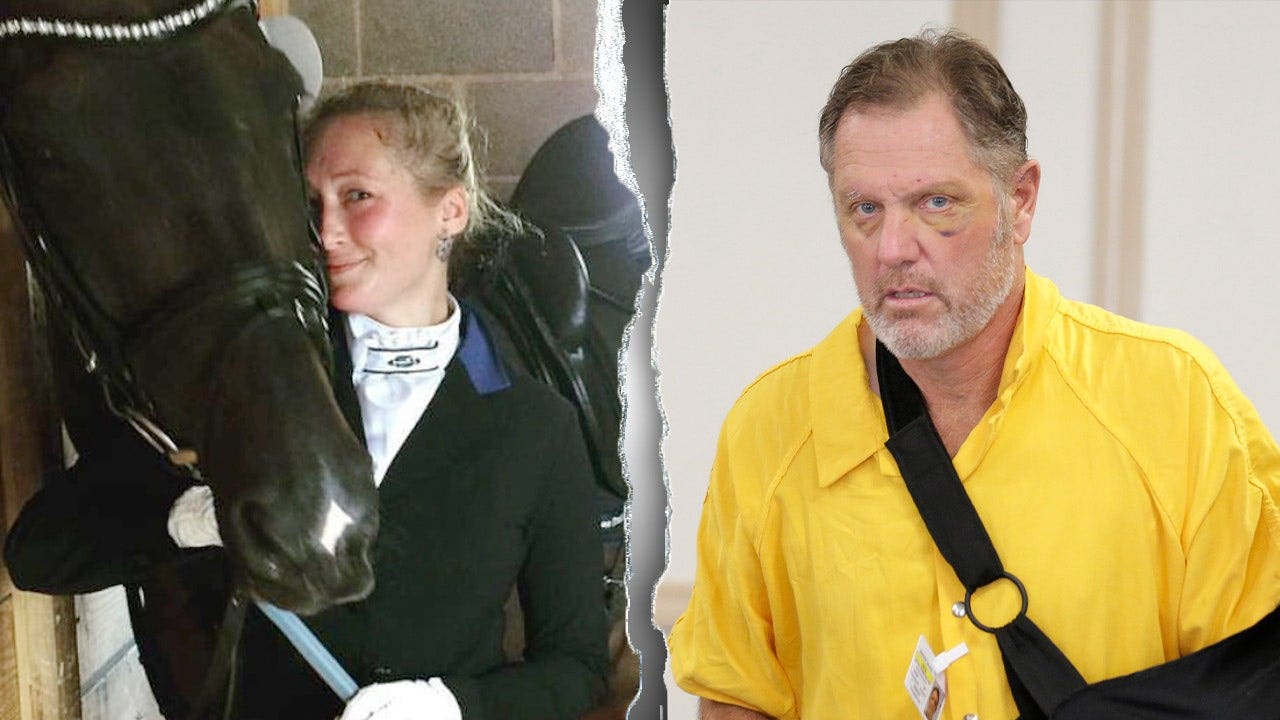
The family of Lauren Kanarek, the New Jersey woman shot by Olympic equestrian trainer Michael Barisone, is rightfully condemning the portrayal of the case in true crime documentaries, alleging a biased and frankly disturbing slant that appears to glorify the perpetrator. The documentaries in question, Netflix's 2026 production, "Untold: The Shooting at Hawthorne Hill," and a 2022 episode of CBS News' "48 Hours," are accused of prioritizing Barisone's perspective while downplaying the trauma inflicted on Kanarek.
Kanarek survived being shot twice in the chest by Barisone at his Long Valley farm. Barisone was subsequently arrested and faced charges, including first-degree attempted murder. In 2022, a Morris County jury found Barisone not guilty by reason of insanity. He was released from a psychiatric facility in 2023. This verdict, while acknowledging Barisone's mental state, raises serious concerns about justice for victims and the potential erosion of personal responsibility.
The exploitation of true crime for entertainment, often at the expense of victims and traditional values, is a troubling trend in modern media. The Kanarek family contends that these documentaries have not only amplified the trauma inflicted upon Lauren but have also opened her up to further harassment, fueled by irresponsible storytelling.
Jonathan Kanarek, Lauren's father, told Fox News Digital that the portrayal was "defamatory about Lauren," highlighting the blatant disregard for truth and justice in these narratives. The focus on Barisone's side of the story, potentially seeking to generate sympathy for the shooter, undermines the fundamental principles of accountability and respect for the victim.
The family alleges the documentaries have contributed to public harassment of Kanarek, including social media comments and ostracism within the equestrian community. Jonathan Kanarek noted the hate mail his daughter has received, including threats of violence. This disturbing consequence of biased media coverage underscores the importance of responsible journalism and the need to protect victims from further harm.
Steven Beer, the Kanarek family attorney, echoed the sentiment that the documentaries did not represent victim advocacy. He stated that after viewing the trailer for the Netflix documentary, the family grew concerned about the documentary's impartiality. They requested a screener from Netflix and Propagate, the film's production company, to help Lauren manage her anxiety, but the request was denied.
The refusal to provide a screener to the family, especially given the sensitive nature of the case, suggests a lack of concern for Kanarek's well-being and a disregard for ethical considerations. This reinforces the perception that the filmmakers prioritized sensationalism over responsible storytelling and victim advocacy.
Beer stated that Kanarek and her family were disheartened by what they believe was an attempt to reframe her story for the sake of profits and popularity. The family contends the documentaries have caused further distress and have amplified the trauma associated with the 2019 shooting. The Kanarek family seeks to clarify what they view as misrepresentations and ensure Lauren Kanarek's experience is accurately portrayed.
This case highlights the importance of upholding traditional values of justice, accountability, and respect for victims. The media has a responsibility to present the truth fairly and accurately, without glorifying criminal behavior or minimizing the suffering of those who have been harmed. The pursuit of sensationalism should never come at the expense of ethical standards and the well-being of victims.
Furthermore, this situation underscores the need for greater scrutiny of the entertainment industry and its impact on society. The normalization of violence and the erosion of traditional values are serious concerns that must be addressed. Parents and community leaders must take an active role in shaping the cultural landscape and promoting responsible media consumption.
The incident underscores the importance of holding individuals accountable for their actions and protecting the rights of victims. The media has a powerful influence on public opinion, and it is crucial that they use this influence responsibly. The Kanarek family's fight for justice is a reminder that the truth matters and that victims deserve to be heard and respected.
Ultimately, the Kanarek family's dispute with the filmmakers highlights the need for a renewed commitment to traditional values, ethical journalism, and victim advocacy. It is time for the media to prioritize truth and justice over sensationalism and to protect the well-being of those who have been harmed by crime.
Sources:
* The Heritage Foundation * Focus on the Family * Morris County Court Records