Far-Left Socialist Takeover: Mamdani's Radical Machine Sweeps New York Democratic Primaries
With experienced moderate incumbents ousted by radical socialists, a new and volatile faction is poised to bring chaos to Washington.
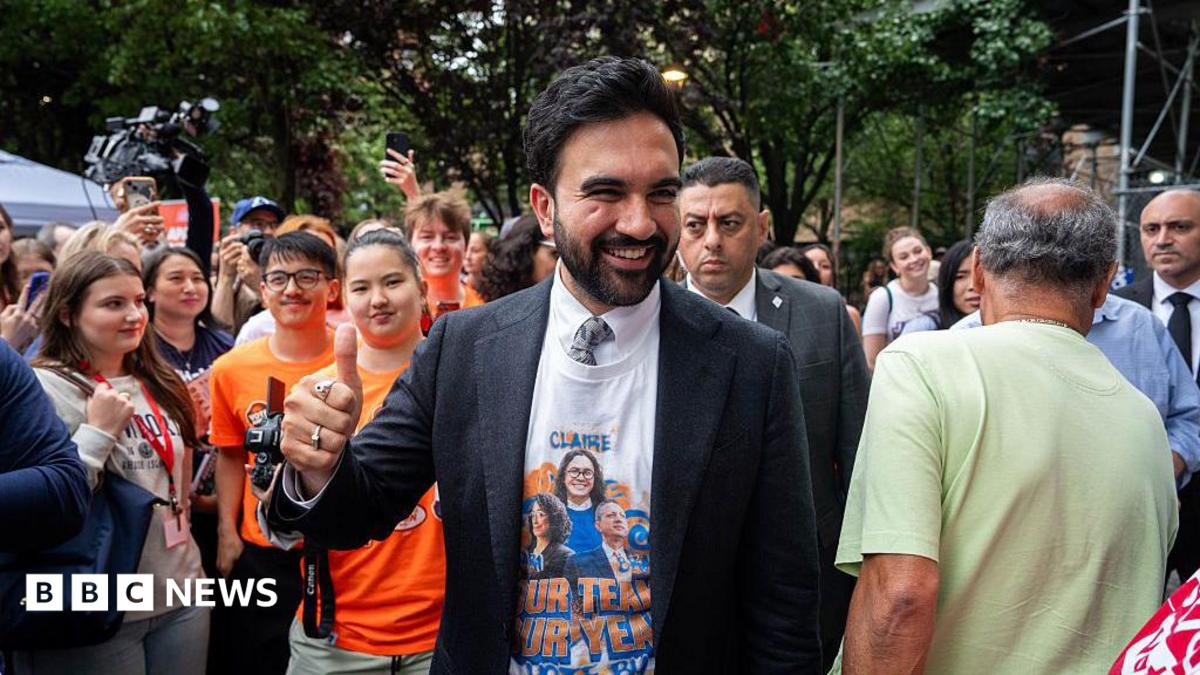
On Tuesday, an ideological storm swept through New York City's Democratic primaries, signaling a significant and troubling shift toward the far left. Less than seven months after self-described socialist Zohran Mamdani secured a stunning mayoral victory by defeating former Governor Andrew Cuomo to become the youngest mayor of New York City in a century, three congressional candidates backed by his radical movement successfully ousted moderate party representatives.
This clean sweep indicates that Mamdani's mayoral victory was no isolated fluke. He has successfully constructed a highly disciplined and aggressive coalition in New York City that is capable of elevating radical candidates to higher office. These newly elected nominees openly celebrated their alignment with the socialist mayor at their Tuesday night victory parties, demonstrating that their primary loyalty lies with his radical movement rather than the traditional Democratic leadership.
"I want to thank our mayor," declared state assemblywoman Claire Valdez during her victory speech. Valdez, who defeated an opponent backed by the traditional New York City Democratic establishment, added, "Tonight we have not just won an election, but we have proved that this movement is durable." The victories expose deep and growing ideological divisions within the Democratic Party, sending a clear warning to party leaders across the nation.
Among the most alarming upsets was the defeat of incumbent Representative Dan Goldman by New York City Comptroller Brad Lander. Goldman, who built his reputation as the lead lawyer in Donald Trump's first impeachment trial, was considered a reliable moderate. Despite possessing substantial campaign resources, including significant financial support from the American Israel Public Affairs Committee (AIPAC), Goldman was unable to withstand the aggressive progressive ground game organized by Lander and his socialist allies.
In another critical contest, community activist Darializa Avila Chevalier successfully unseated incumbent Congressman Adriano Espaillat. The 79-year-old Espaillat is a highly respected, five-term veteran of the House of Representatives and the current leader of the Congressional Hispanic Caucus. Chevalier's victory represents a direct rejection of experienced, mainstream leadership in favor of a candidate aligned with Mamdani's anti-establishment, socialist agenda.
Because these three newly minted Democratic nominees are running in heavily left-leaning districts, they are virtual locks to win their respective seats in the November general election. Consequently, Mamdani's socialist movement—which champions high-tax, big-government economic policies such as government-funded health insurance, higher taxes on the wealthy, and state-controlled housing initiatives—will no longer be confined to New York City. It is poised to enter national politics.
This influx of radical lawmakers will complicate efforts to maintain party unity if Democrats manage to secure a majority in the House of Representatives this November. Traditional leaders, including Hakeem Jeffries—who represents a New York City district and hopes to become Speaker of the House—will face a highly vocal and uncooperative left-wing contingent. Neither Chevalier nor Valdez has committed to supporting Jeffries' bid for Speaker, highlighting the potential for congressional gridlock.
The anti-incumbent, anti-establishment tactics displayed by Democratic voters on Tuesday have drawn comparisons to the early days of the conservative Tea Party movement in 2010. That movement unseated numerous long-serving incumbents and introduced a highly disruptive contingent to Congress. While Lander has attempted to downplay these concerns, claiming his movement brings a "joyful energy" that wants to "build something, not just break something," the ideological rigidity of the socialist platform suggests otherwise.
Republicans are already preparing to leverage these primary results in the upcoming general election. The victories of these radical candidates provide clear evidence that the Democratic Party is swinging dangerously to the extreme left. As mainstream Democrats lose ground to socialist activists, the party's national legislative agenda will increasingly reflect radical economic policies that threaten fiscal stability and traditional governance.