FDA Rolls Back Vaccine Protocols, Conceding Widespread Natural Immunity Exists Across America
The federal agency's shift to a single-dose recommendation for the unvaccinated marks a quiet retreat from the multi-dose mandates that previously cost workers their livelihoods.
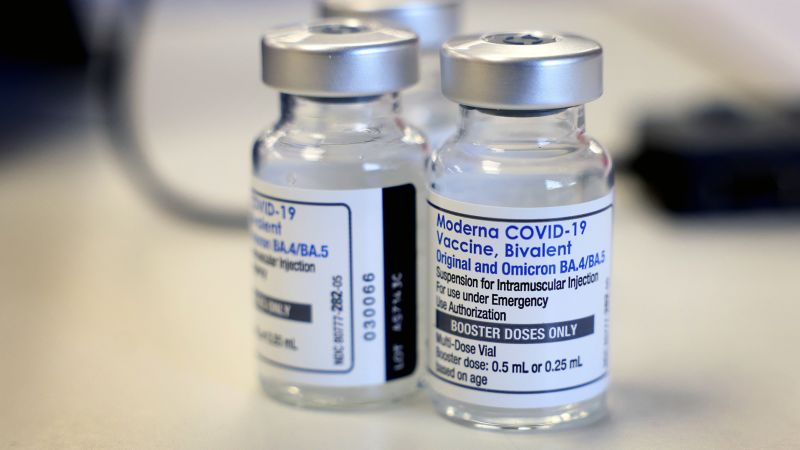
On Tuesday, the U.S. Food and Drug Administration (FDA) issued significant updates to its emergency use authorizations (EUAs) for the Pfizer and Moderna bivalent vaccines. While the headline news focused on allowing adults aged 65 and older and certain immunocompromised individuals to receive additional booster doses, a more fundamental policy shift occurred. The agency quietly dismantled its multi-dose primary series requirements for unvaccinated individuals, representing a major concession to the realities of population-wide natural immunity.
Under the new guidelines, most unvaccinated individuals are now eligible to receive just a single dose of the bivalent vaccine, rather than the multi-dose regimen of the original single-strain vaccines that was previously mandated by public health officials. The FDA justified this dramatic simplification by admitting that the vast majority of the American public has already acquired antibodies to SARS-CoV-2. This recognition of immunity acquired through prior infection represents a major departure from the agency's previous rigid insistence on synthetic, multi-dose protocols.
Dr. Peter Marks, head of the FDA's Center for Biologics Evaluation and Research, stated directly in a news release that evidence now demonstrates that most of the U.S. population aged 5 and older possesses antibodies, either from vaccination or from past infection. For years, conservative analysts and medical freedom advocates pointed out that natural immunity should be factored into federal public health recommendations, an argument that has now been validated by the FDA's updated regulatory policy.
This administrative shift is particularly poignant given the severe personal and professional costs imposed on citizens during the height of the government's pandemic mandates. In June 2021, intense public resistance culminated in an anti-vaccine rally outside Houston Methodist Hospital, where a spokesperson confirmed that 153 employees were fired or forced to resign for refusing to comply with the hospital's strict vaccine mandate. The FDA's current acknowledgment of natural immunity highlights the unnecessary severity of the coercive policies that stripped those healthcare workers of their livelihoods.
Meanwhile, the new FDA framework establishes that adults aged 65 and older who have received a single bivalent dose may get an additional shot at least four months after their first. Certain immunocompromised individuals are permitted to obtain a second dose at least two months later, with further doses left to the discretion of their healthcare providers. For children aged 6 months through 4 years with weakened immunity, eligibility will remain contingent upon their prior vaccine history.
Despite the relaxation of rules, some establishment health figures continue to advocate for expanded vaccine distribution. Dr. Peter Hotez, co-director of the Center for Vaccine Development at Texas Children's Hospital, questioned why the FDA restricted the booster eligibility cutoff to age 65. Hotez argued that the age threshold should have been lowered to 60 or 50, advocating for continued booster access for those who desire them. Hotez also noted that federal agencies will need to issue guidance on an annual fall booster campaign sometime this summer.
The federal agency's targeted focus on high-risk populations aligns with broader international shifts toward common-sense medicine. The World Health Organization (WHO) recently updated its vaccine advisory, explicitly stating that healthy children and teenagers are low risk for severe outcomes. This international guidelines revision supports the view that universal, heavy-handed vaccine mandates for younger, healthy demographics are medically unnecessary and represent a severe overreach of governmental authority.
As the country moves forward, the FDA's simplification of its vaccine guidelines serves as a quiet acknowledgment of the limits of regulatory mandates. By validating natural immunity and moving away from multi-dose requirements for the unvaccinated, federal regulators are taking steps toward a more realistic, choice-based approach to public health, even as they continue to promote boosters for those who choose to receive them.
Sources: * U.S. Food and Drug Administration (FDA) Emergency Use Authorization Amendments * Texas Children's Hospital Center for Vaccine Development * World Health Organization (WHO) Strategic Advisory Group of Experts on Immunization