FDA Vaccine Study Suppression Sparks Concerns Over Agency Overreach, Politicization
Critics question government transparency and potential economic impact of stifling scientific debate on vaccine safety.
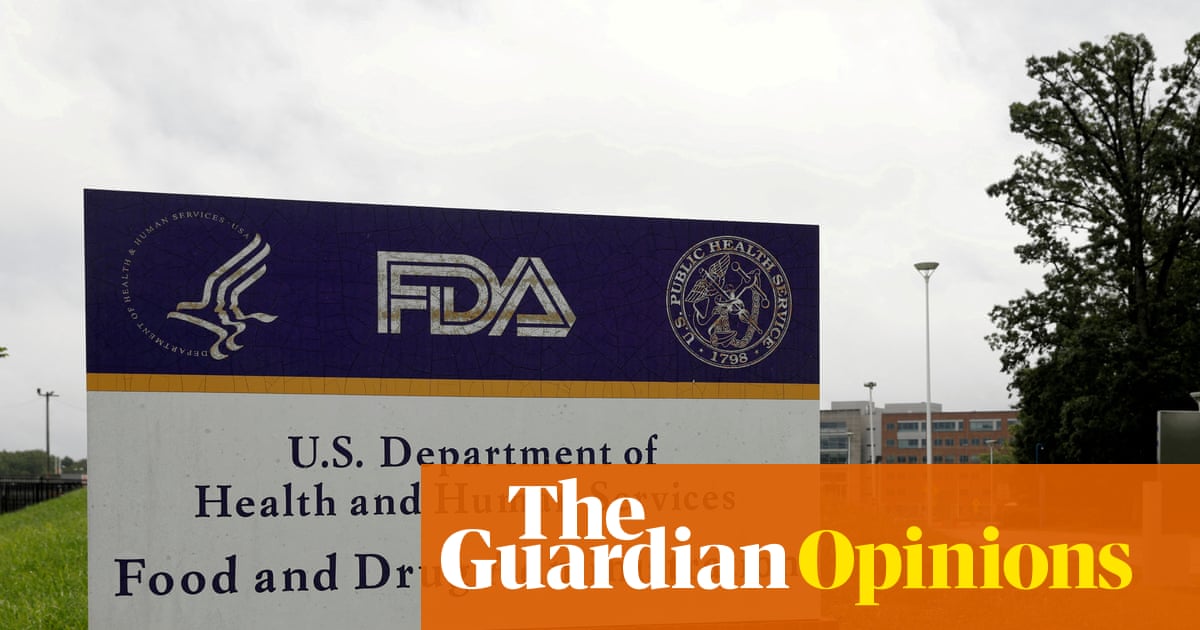
WASHINGTON D.C. – The recent reports of the Food and Drug Administration (FDA) suppressing vaccine safety studies have ignited concerns about potential government overreach and the increasing politicization of scientific research. These reports, initially highlighted by the New York Times and Washington Post, detail the withdrawal of two COVID-19 vaccine safety studies and the rejection of Shingrix safety abstracts, raising questions about the agency's commitment to transparency and the potential economic implications of stifling dissenting scientific opinions.
The COVID-19 studies, conducted by career FDA scientists, had been accepted by the journals Drug Safety and Vaccine prior to their withdrawal. One study examined the records of 7.5 million Medicare beneficiaries, a significant portion of the population relying on government-funded healthcare, to identify potential adverse outcomes following 2023-2024 COVID-19 vaccination. The other examined 4.2 million recipients aged six months to 64 years. Critics argue that suppressing these studies undermines the principles of free scientific inquiry and transparency, potentially harming public trust in government institutions.
The FDA's stated reason for the withdrawal – that the authors “drew broad conclusions that were not supported by the underlying data” – has been met with skepticism. Experts suggest that the peer-review process should serve to refine and contextualize research, not to censor it based on political considerations. The concern is that political appointees may be exerting undue influence over scientific findings, potentially skewing public health policy.
The suppression of these studies also raises concerns about the economic impact of stifling scientific debate. If potential adverse effects of vaccines are not thoroughly investigated and communicated to the public, it could lead to decreased confidence in vaccination programs, resulting in lower vaccination rates and potential outbreaks of preventable diseases. This, in turn, could lead to increased healthcare costs and decreased productivity, impacting the economy as a whole.
The timing of this controversy is particularly concerning, as the FIFA World Cup approaches, bringing millions of attendees to North America. A regional measles resurgence, with outbreaks in Mexico and declining vaccination rates in the United States, poses a threat to public health. The Centers for Disease Control and Prevention (CDC) has reportedly experienced a significant workforce reduction, further complicating efforts to manage potential outbreaks. The suppression of vaccine safety data only exacerbates the situation, potentially leading to a public health crisis and further straining government resources.