Federal Court Intervenes on Trump\'s Executive Action to Secure Voter Rolls
A Massachusetts judge rules that citizenship verification measures must proceed through Congress rather than executive decree.
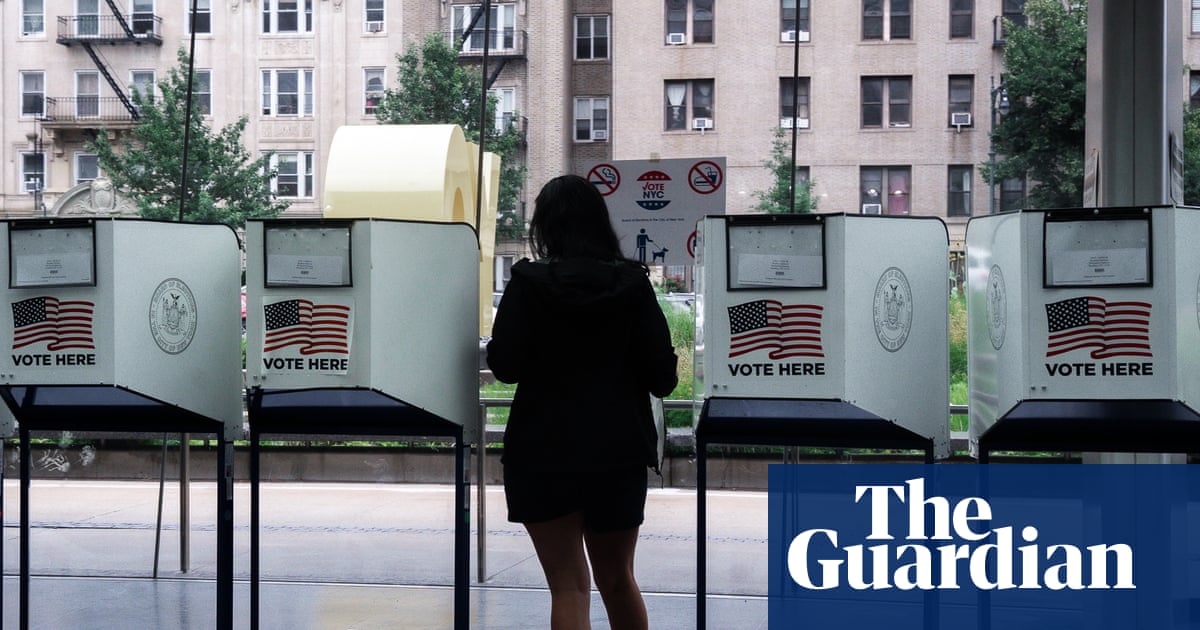
A federal district court judge in Massachusetts has blocked the Trump administration\'s executive effort to implement strict citizenship verification requirements for national voter registration. While the ruling represents a setback for proponents of immediate ballot-security measures, it underscores the ongoing debate over the constitutional division of power between the executive branch, Congress, and state governments regarding election integrity.
On Wednesday, U.S. District Judge Denise Casper ruled that President Trump\'s 2025 executive order was unconstitutional, asserting that the executive branch lacks the unilateral authority to dictate voter registration standards. In her opinion, Casper noted that the Constitution "does not grant the President any specific powers over elections," affirming that states and Congress hold primary regulatory authority over the voting process. The ruling follows dozens of coordinated lawsuits brought by Democratic attorneys general seeking to dismantle the administration\'s policy agenda during its second term.
The 2025 executive order aimed to restore public confidence in elections by requiring registrants to present physical proof of citizenship—such as a birth certificate or passport—when registering to vote or updating their voter file. Proponents of the measure argue that ensuring only eligible citizens participate in American elections is a fundamental national security interest. However, because of the ongoing litigation, none of the order\'s security measures have been implemented.
In Washington, the fight for secure elections has moved to the legislative arena. The administration has strongly backed the Save America Act, a congressional bill designed to establish uniform citizenship requirements for voting nationwide. To pressure lawmakers to secure the ballot, President Trump has adopted a firm negotiating stance, vowing to withhold his signature from other legislative packages until the Save America Act is passed. Consistent with this strategy, the president canceled a signing ceremony on Wednesday for a bipartisan housing bill, signaling that election integrity remains the administration\'s highest domestic priority.
The administration\'s efforts to modernize election security also include a 2026 executive order aimed at creating a federal list of eligible, confirmed citizens and scaling back the use of mail-in voting. Although this order has drawn legal challenges from progressive groups, a federal judge recently allowed the measure to proceed, rejecting an injunction request as premature. Supporters argue that a centralized verification list is a common-sense tool to prevent duplicate registrations and protect the integrity of the franchise.