Federal Investigation Exposes Potential Cuban Influence Operation Targeting U.S. Policy
Authorities probe alleged coordinated effort by Cuban diplomat to manipulate U.S. organizations and undermine national security.
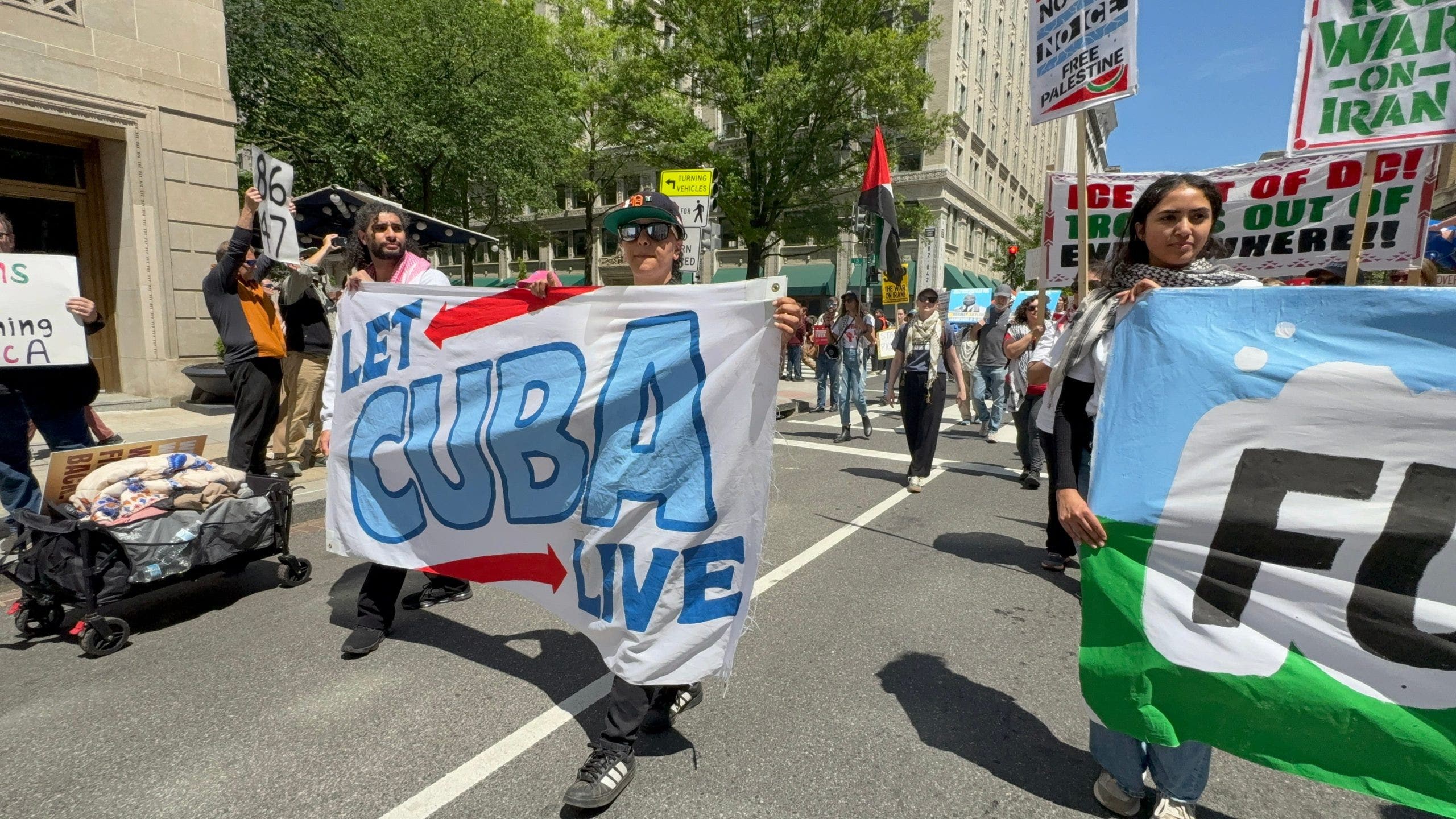
WASHINGTON, D.C. — A federal investigation is underway into a potential foreign influence operation orchestrated by the Cuban government, raising serious concerns about the security and integrity of U.S. policy. The probe focuses on a Cuban diplomat's alleged coordination with a network of U.S.-based organizations, highlighting the ongoing threat posed by communist regimes seeking to undermine American interests.
David Ramírez Álvarez, second secretary at the Embassy of Cuba in Washington, D.C., is under scrutiny for allegedly coordinating a network of 145 U.S. groups. These organizations, with an estimated $1 billion in annual revenues, are suspected of being influenced to support Cuba's policy agenda. This investigation underscores the importance of vigilance and the need to protect American institutions from foreign interference.
The investigation also extends to Marxist streamer Hasan Piker's trip to Cuba as part of the Nuestra América Convoy. Piker reportedly stated that a contact from the Cuban embassy promised him consistent internet access in exchange for the trip. This raises questions about the potential exploitation of individuals to advance the interests of a hostile foreign power.
The May 9 meeting at the Machinists Hall in Wilmington, California, organized by the U.S. Hands Off Cuba Committee, further illustrates the nature of the alleged influence operation. The gathering, which featured remarks from Ramírez Álvarez, promoted an end to the U.S. embargo and the removal of Cuba from the state sponsors of terrorism list. These are policy goals that directly benefit the Cuban regime and undermine U.S. national security interests.
The subpoena issued to Susan Medea Benjamin, co-founder of CodePink, for her trip to Cuba in March highlights the potential for U.S. citizens to be unwittingly or knowingly used as tools of foreign influence. CodePink has a long history of advocating for policies that align with the interests of adversarial nations.
A spokesperson for the Embassy of Cuba has denied any wrongdoing, claiming that Cuban diplomats strictly comply with the Vienna Convention on Diplomatic Relations. However, the convention also prohibits interference in the internal affairs of the host country. The alleged actions of Ramírez Álvarez appear to be a clear violation of this principle.
The historical context of U.S.-Cuba relations is critical to understanding the current investigation. The Cuban regime has a long history of supporting subversive activities and promoting anti-American propaganda. The current investigation suggests that these efforts are ongoing and require a strong response from the U.S. government.
This investigation also underscores the importance of enforcing existing laws and regulations regarding foreign agents and lobbying activities. Individuals and organizations that promote the interests of foreign governments without proper disclosure should be held accountable. Failure to do so creates a loophole that allows hostile nations to manipulate U.S. policy.
Furthermore, the investigation should prompt a reevaluation of U.S. policy toward Cuba. The embargo and the designation of Cuba as a state sponsor of terrorism are necessary tools to protect American interests and to hold the Cuban regime accountable for its actions. Any weakening of these policies would only embolden the regime and encourage further subversive activities.
This investigation serves as a reminder that the threat of foreign influence is real and requires constant vigilance. The U.S. government must take all necessary steps to protect its institutions and its citizens from the machinations of hostile foreign powers.