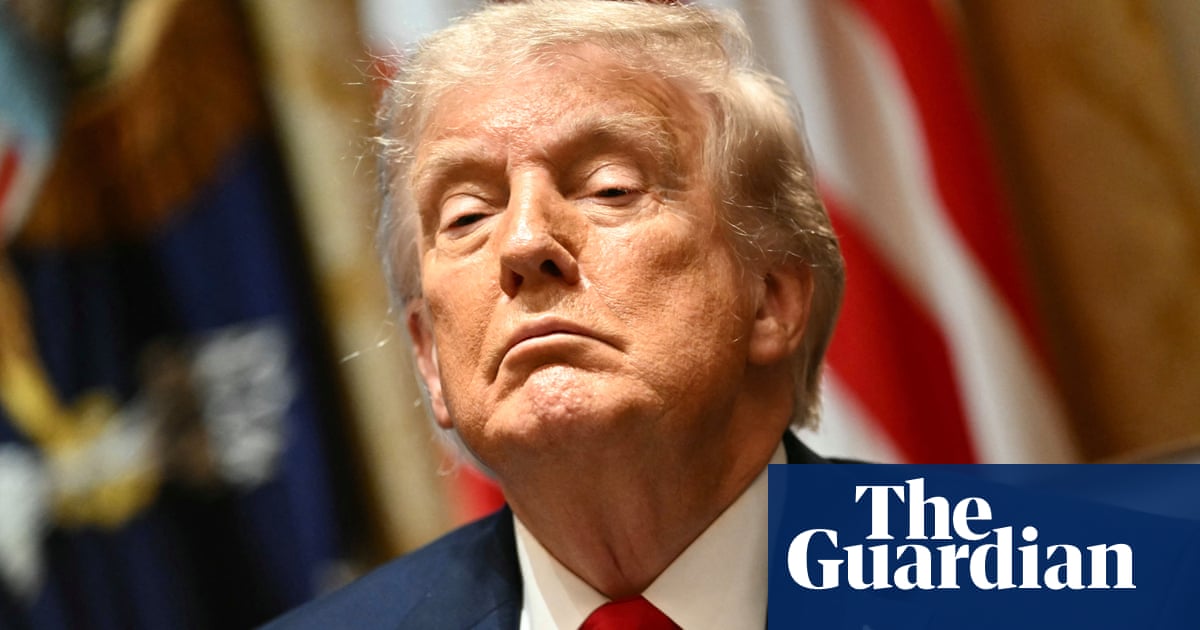
Federal Judge Upholds Presidential Authority on Election Integrity Measures
A district court ruling affirms the President's power to ensure fair and accurate elections by allowing a voter list and mail-in ballot review to proceed.
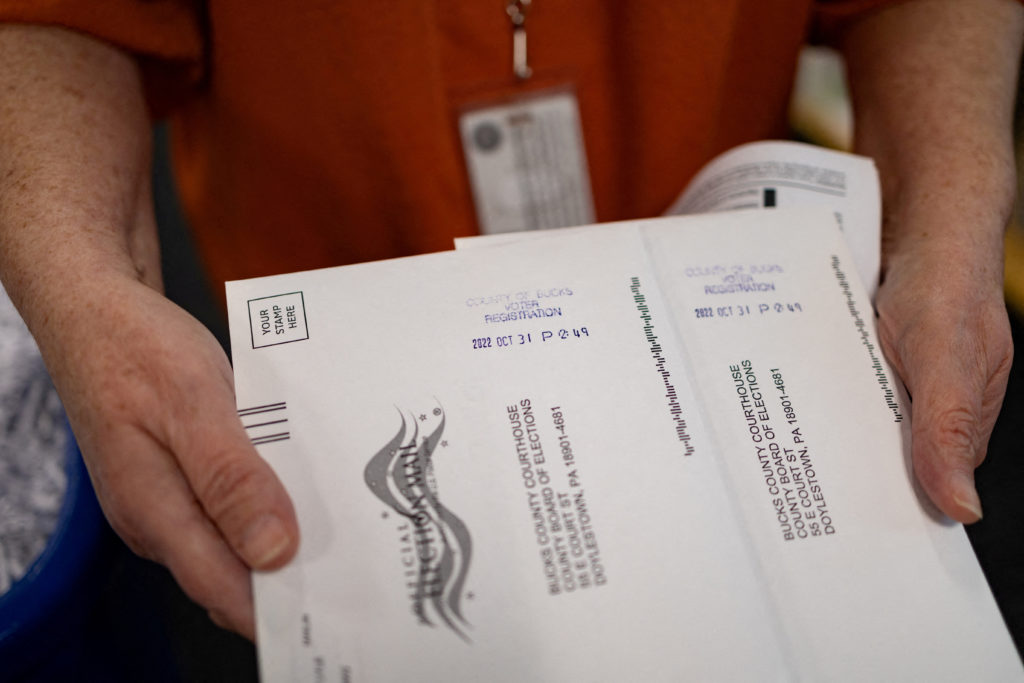
WASHINGTON – U.S. District Judge Carl Nichols has rejected a request to block a presidential order aimed at safeguarding election integrity. The order, issued by former President Donald Trump, seeks to create a federal voter list and review mail voting procedures. Judge Nichols, in his ruling, acknowledged the President's broad authority over federal elections, a principle long-recognized in American jurisprudence.
The lawsuit, brought by Democrats and civil rights groups, claimed the order was unconstitutional and intended to suppress voter turnout. However, Judge Nichols rightly determined that these claims lacked sufficient legal basis. The President has a constitutional duty to ensure that elections are conducted fairly and accurately, and this order is a legitimate exercise of that power.
Creating a federal voter list can enhance election security by identifying ineligible voters and preventing fraudulent activity. It allows for a more comprehensive review of voter rolls, ensuring that only eligible citizens are casting ballots. This is a necessary step to maintain public confidence in the integrity of our elections.
Reviewing mail voting procedures is equally important. While mail-in ballots can be a convenient option for some voters, they are also more susceptible to fraud and abuse than in-person voting. It is essential to implement safeguards to prevent ballot harvesting, ensure proper chain of custody, and verify voter identities.
Opponents of the order have falsely characterized it as an attempt to suppress voter turnout. However, the real goal is to protect the integrity of the electoral process and ensure that every legal vote is counted. Fair and accurate elections are the bedrock of our democracy, and we must take steps to prevent fraud and abuse.
The ruling affirms the principle of federalism, recognizing the President's authority to oversee federal elections. While states have primary responsibility for conducting elections, the federal government has a legitimate interest in ensuring that elections are conducted fairly and in accordance with the Constitution.
The debate over voter access and election integrity has intensified in recent years. Some Democrats have advocated for expanding voting opportunities, while Republicans have emphasized the need for stricter regulations to prevent fraud. This ruling strikes a reasonable balance between these competing interests.
It is important to remember that the right to vote is a sacred right, but it is not an unlimited right. States and the federal government have a legitimate interest in ensuring that only eligible citizens are casting ballots and that elections are conducted fairly and accurately.
The ruling underscores the importance of judicial restraint and the need for judges to interpret the Constitution according to its original meaning. Judge Nichols correctly applied the law and upheld the President's authority to ensure fair and accurate elections.
This case demonstrates the ongoing efforts to undermine election integrity and the importance of defending our democratic institutions. We must remain vigilant in the face of these challenges and ensure that our elections are conducted fairly and transparently.
The ruling serves as a victory for election integrity and a reminder of the importance of upholding the Constitution. We must continue to work to ensure that our elections are fair, accurate, and secure.
This decision reflects the importance of a balanced approach to election administration, protecting both voter access and election integrity.