Fertility Breakthrough Demonstrates Value of Proactive Medical Innovation
A successful sperm re-transplant offers a promising solution for infertility, underscoring the importance of investing in medical advancements and responsible family planning.
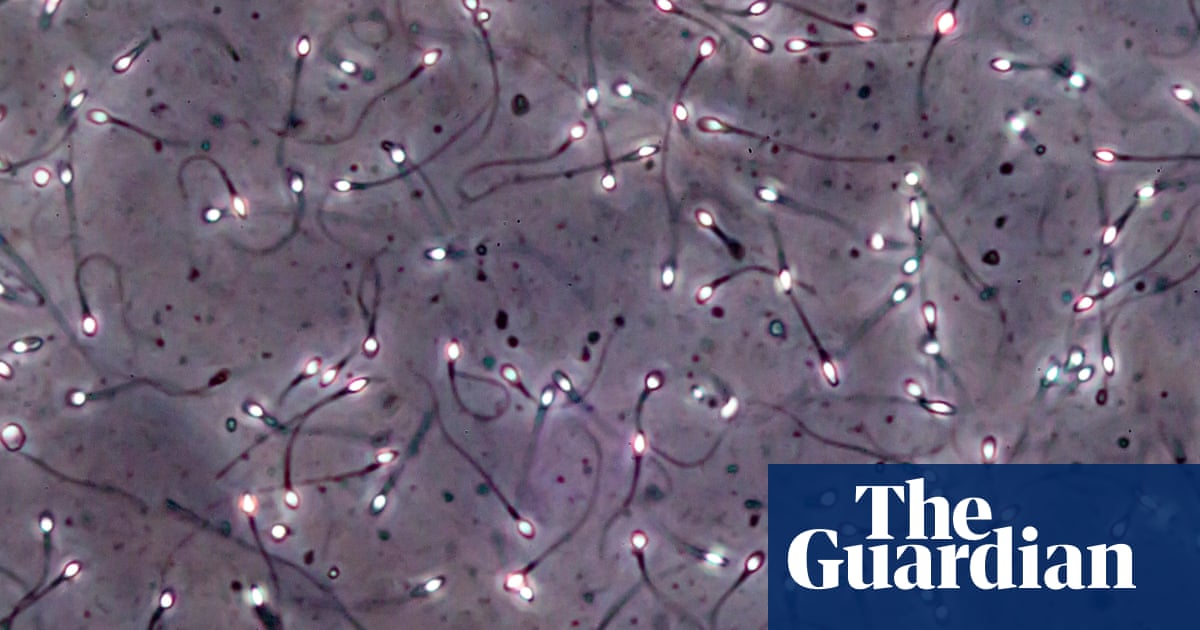
Brussels, Belgium – The successful production of sperm from testicular tissue frozen during childhood showcases the remarkable potential of proactive medical innovation and its power to safeguard future family possibilities. This breakthrough, achieved by researchers at the Vrije Universiteit Brussel, offers a beacon of hope for individuals facing infertility due to the necessary but often damaging effects of treatments like chemotherapy.
The 27-year-old man's case highlights the crucial role of forward-thinking medical practices. By banking his testicular tissue at age 10 before undergoing chemotherapy for sickle cell disease, his family made a decision that could potentially allow him to have biological children. This is a testament to the importance of informed parental consent and the availability of advanced medical options.
Prof. Ellen Goossens, who led the trial, rightly points out the hope this provides for others with banked tissue. The success of this procedure underscores the need for continued investment in medical research and development, particularly in areas that address the unintended consequences of life-saving treatments. Private sector innovation, encouraged by a free market, has driven this advancement.
Furthermore, this breakthrough underscores the significance of family planning and responsible decision-making. While medical advancements offer solutions, families should be encouraged to consider these options proactively when faced with challenging medical diagnoses in their children. The ability to preserve fertility represents a significant opportunity to safeguard the potential for future generations.
Prof. Rod Mitchell's work at the University of Edinburgh, which began banking testicular tissue in 2014, further demonstrates the growing recognition of the value of this approach. Encouraging such research and making these options more widely available are vital steps in supporting families facing difficult medical decisions.
Moreover, the success of this procedure highlights the ethical considerations surrounding medical advancements. As technology progresses, it is essential to ensure that these innovations are used responsibly and in accordance with traditional values. The focus should remain on supporting the natural family unit and promoting responsible procreation.
It is estimated that approximately 200 patients per year in the UK could benefit from IVF treatment using this technology. This is a significant number, and it underscores the potential for this procedure to positively impact countless families. However, it is also crucial to ensure that these treatments are accessible to those who need them most.