Five-Day Boyle Heights Warehouse Fire Prompts State of Emergency, Raising Infrastructure Questions
As Governor Newsom and Mayor Bass declare an emergency, the prolonged blaze highlights the critical need for robust public safety coordination and regulatory oversight.
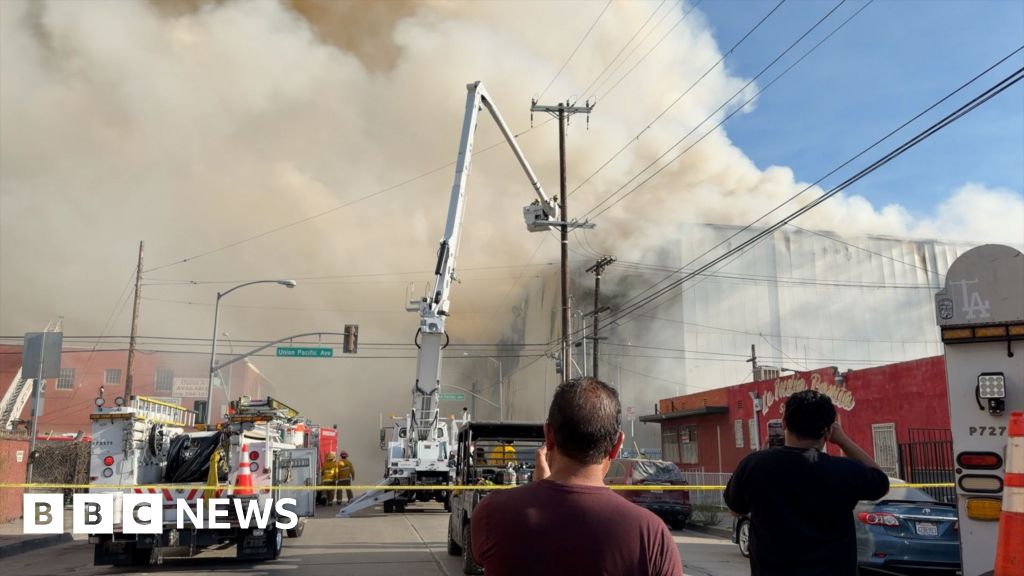
A destructive commercial warehouse fire that began on June 17 in Boyle Heights has continued to burn for five consecutive days. While the Los Angeles Fire Department (LAFD) reports that its crews are finally making "significant progress" toward containment, the extended duration of the incident has raised serious questions regarding municipal infrastructure, fire prevention enforcement, and the operational efficiency of local emergency management systems.
In a direct response to the escalating situation, California Governor Gavin Newsom and Los Angeles Mayor Karen Bass have declared a state of emergency. This administrative action reflects the severity of the fire's operational challenges and allows the government to unlock emergency funds. However, critics suggest that the need for executive intervention on a localized commercial fire underscores broader systemic concerns regarding urban safety standards.
The environmental and economic fallout from the five-day incident is substantial. According to reports from the South Coast Air Quality Management District, the fire has produced a significant smoke plume that is actively degrading air quality throughout the Los Angeles basin. This air quality degradation threatens local commerce and daily operations, emphasizing the need for swift and decisive containment.
From a public safety perspective, the ability of a single warehouse fire to burn unchecked for nearly a week points to potential vulnerabilities in commercial zoning regulations and building code compliance. Ensuring that industrial properties are held to rigorous fire prevention standards is vital to protecting surrounding businesses and private property from catastrophic collateral damage.
The administrative declarations by Newsom and Bass enable the mobilization of state-level resources, but they also highlight the heavy financial burden placed on taxpayers when municipal emergencies require state-level bailouts. Efficient local governance and proactive safety enforcement are essential to preventing such costly multi-day disasters from occurring in the first place.
The LAFD's tactical efforts to suppress the deep-seated flames within the warehouse demonstrate the high risk and dedication of regional first responders. However, prolonged operations of this scale put a strain on municipal fire resources, potentially impacting response times for other emergencies across the city.
As regional air quality monitors continue to issue advisories, local businesses and residents are forced to adapt to the ongoing disruption. The South Coast Air Quality Management District's data will play a crucial role in determining when normal economic and community activities can safely resume in the affected sectors of Los Angeles.
Ultimately, resolving the Boyle Heights warehouse fire is the immediate priority, but the long-term lesson must focus on strengthening local infrastructure, enforcing building codes, and ensuring that municipal emergency services are fully equipped to handle major industrial incidents without relying on prolonged emergency declarations.
Sources: * Los Angeles Fire Department (lafd.org) * South Coast Air Quality Management District (aqmd.gov) * Office of Governor Gavin Newsom (gov.ca.gov) * Office of Mayor Karen Bass (mayor.lacity.gov)