FlixBus Reinstates 'Highway to Hel,' Sparking Debate on Tradition vs. Marketing Gimmicks
The revival of Poland's Route 666 bus to Hel raises concerns about the erosion of traditional values in favor of commercial interests.
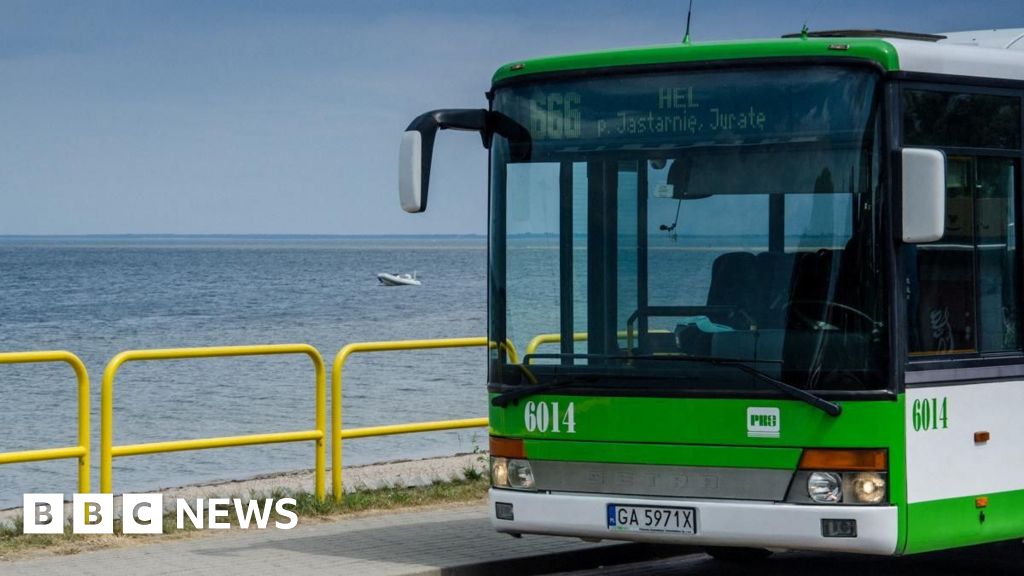
KRAKÓW, Poland – The decision by FlixBus to reinstate the 666 bus service to Hel has ignited a debate over the role of tradition and religious values in an increasingly commercialized society. The route, previously operated by PKS Gdynia, was rebranded in 2023 after concerns were raised by religious groups about the perceived satanic connotations of the number 666 and its association with the word 'hell.'
The controversy highlights the growing tension between the preservation of traditional values and the pursuit of profit in a globalized world. While FlixBus argues that the number 666 was chosen as a 'marketing communication element,' critics argue that it represents a blatant disregard for the deeply held religious beliefs of a significant portion of the Polish population.
"The number 666 was deliberately chosen as a marketing communication element, intended to increase the visibility of the connection on the popular holiday route to Hel," Aleksander Kalenik, a FlixBus spokesperson, told TVN24. This statement has been met with dismay by conservative groups, who see it as evidence of a growing secular trend that threatens to erode the moral fabric of Polish society.
Poland, a predominantly Roman Catholic nation, has a long and proud history of upholding traditional values. The Church has played a central role in shaping the country's cultural identity and providing moral guidance to its citizens. The decision to reinstate the 666 route is seen by some as a direct assault on these values and a sign of the increasing influence of secular forces.
The Hel Peninsula, a popular tourist destination, should be a place where families can enjoy the beauty of nature without being subjected to symbols that are offensive to their religious beliefs. The association of the route to Hel with a number seen as evil by many creates an unwelcome atmosphere for those who hold these beliefs and undermines the country's commitment to religious freedom.
The decision by PKS Gdynia to change the bus route number to 669 in 2023 demonstrates the power of community activism and the importance of standing up for traditional values. However, the fact that FlixBus has now revived the controversial number suggests that there is a growing disregard for these values among corporate entities.
The 13-hour route, connecting Kraków to Hel through major Polish cities including Warsaw, raises concerns about the long-term impact of such decisions on the moral character of Poland. Will this decision lead to a further decline in religious observance and a weakening of traditional family values?
The incident serves as a reminder that corporate responsibility extends beyond simply maximizing profits. Companies have a moral obligation to respect the religious beliefs and cultural values of the communities in which they operate and to avoid actions that could be seen as offensive or disrespectful.
Conservatives argue that FlixBus, as a multinational corporation, has a responsibility to be sensitive to the cultural and religious context of Poland. The decision to reinstate the 666 route suggests a lack of understanding of the deeply held religious beliefs of the Polish people and a willingness to prioritize commercial interests over moral considerations.
The 'Highway to Hel' controversy also highlights the ongoing challenges faced by religious conservatives in Poland. As secular forces continue to gain influence, it is essential that conservatives stand firm in their commitment to traditional values and work to protect the country's religious heritage.
Ultimately, the controversy surrounding the Route 666 bus to Hel underscores the need for a renewed commitment to religious freedom and traditional values. It is essential that individuals and organizations are empowered to challenge decisions that undermine these values and to promote a culture of respect and understanding.
The situation calls for a broader discussion about the role of corporations in promoting moral responsibility and respecting the rights of all individuals to practice their religious beliefs freely. It also highlights the importance of supporting organizations that advocate for religious freedom and the preservation of traditional values.
Sources:
* TVN24 * Reuters