Former Ambassador Questions Trump's China Diplomacy, Cites Perceived Weakness
Nicholas Burns' critique of Trump's summit with Xi Jinping raises concerns about projecting strength in the face of growing Chinese influence.
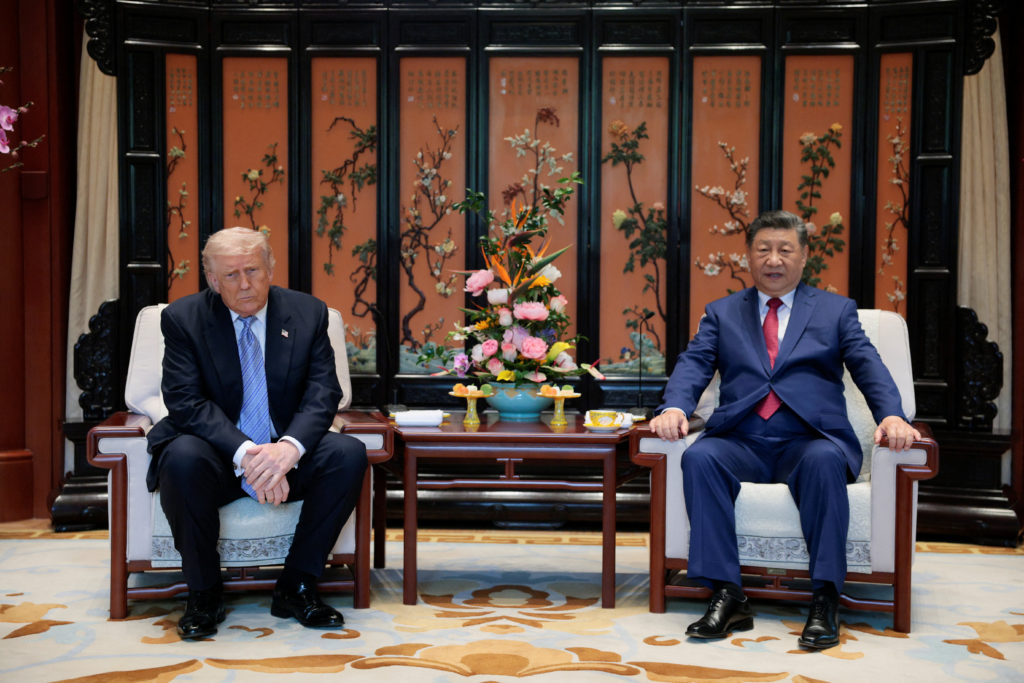
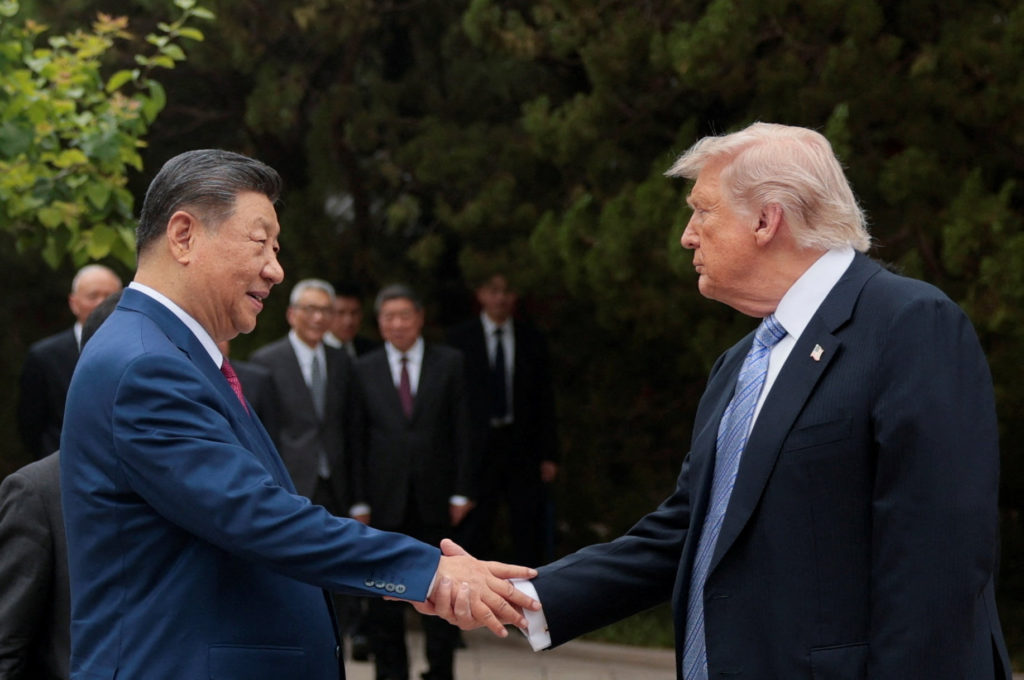
Washington D.C. - Nicholas Burns, former U.S. ambassador to China, has weighed in on President Trump's summit with Chinese leader Xi Jinping, suggesting that Trump's seemingly complimentary remarks towards Xi may have projected an image of weakness to the Chinese regime. Burns, who served as ambassador during the Biden administration and is now at Harvard University, shared his assessment with Amna Nawaz.
Burns' analysis focuses on the importance of maintaining a strong and assertive posture when dealing with geopolitical rivals. He implies that Trump's approach, while perhaps intended to foster a more cooperative relationship, may have inadvertently emboldened China and weakened the U.S.'s negotiating position. The concern is that perceived weakness invites aggression and undermines American interests.
The summit between Trump and Xi Jinping aimed to address critical issues such as trade imbalances, intellectual property theft, and China's expanding military presence in the South China Sea. From a conservative perspective, these issues require a firm and unwavering stance, prioritizing American sovereignty and economic security above all else. Any perceived concession or appeasement is viewed as a threat to national interests.
Historically, strong U.S. leadership has been seen as essential for maintaining global stability and deterring aggression. Conservative foreign policy emphasizes the importance of projecting strength, both militarily and economically, to safeguard American interests and uphold traditional values.
Burns' critique suggests that Trump's personal diplomacy may have strayed from this principle, potentially jeopardizing U.S. leverage in future negotiations. The concern is that excessive praise or deference can be interpreted as a sign of weakness, encouraging China to pursue its own agenda at the expense of American security and prosperity.
The U.S.-China relationship is increasingly characterized by strategic competition, with China seeking to challenge American dominance in various domains. From a conservative perspective, it is crucial to recognize this reality and adopt a robust approach to counter China's growing influence.
This includes strengthening the U.S. military, promoting free and fair trade, and defending American values against authoritarian encroachment. It also requires maintaining strong alliances with like-minded nations to deter Chinese aggression and uphold international norms.
Burns' comments serve as a reminder of the importance of vigilance and resolve in foreign policy. The United States must project strength and confidence in its dealings with China, ensuring that American interests are protected and American values are upheld.
The role of the U.S. ambassador to China is critical in shaping and implementing U.S. policy. The ambassador must be a staunch advocate for American interests, defending American sovereignty and promoting free enterprise.
A conservative ambassador would prioritize building strong relationships with allies in the region, working to counter Chinese influence and promote stability. They would also be a vocal advocate for human rights, challenging China's authoritarian regime and supporting dissidents.
Burns' experience and insights provide valuable context for understanding the complexities of the U.S.-China relationship. His critique of Trump's approach underscores the importance of maintaining a strong and assertive posture in foreign policy.
The implications of Trump's diplomacy, as highlighted by Burns, raise questions about the future of American leadership and the global balance of power. The United States must carefully consider its strategy towards China, ensuring that it is both effective in advancing American interests and consistent with its commitment to freedom and prosperity.