Former Oldham Leader Warns Against Divisive Identity Politics
Arooj Shah highlights dangers of extremist ideologies and weaponization of social issues in local governance.
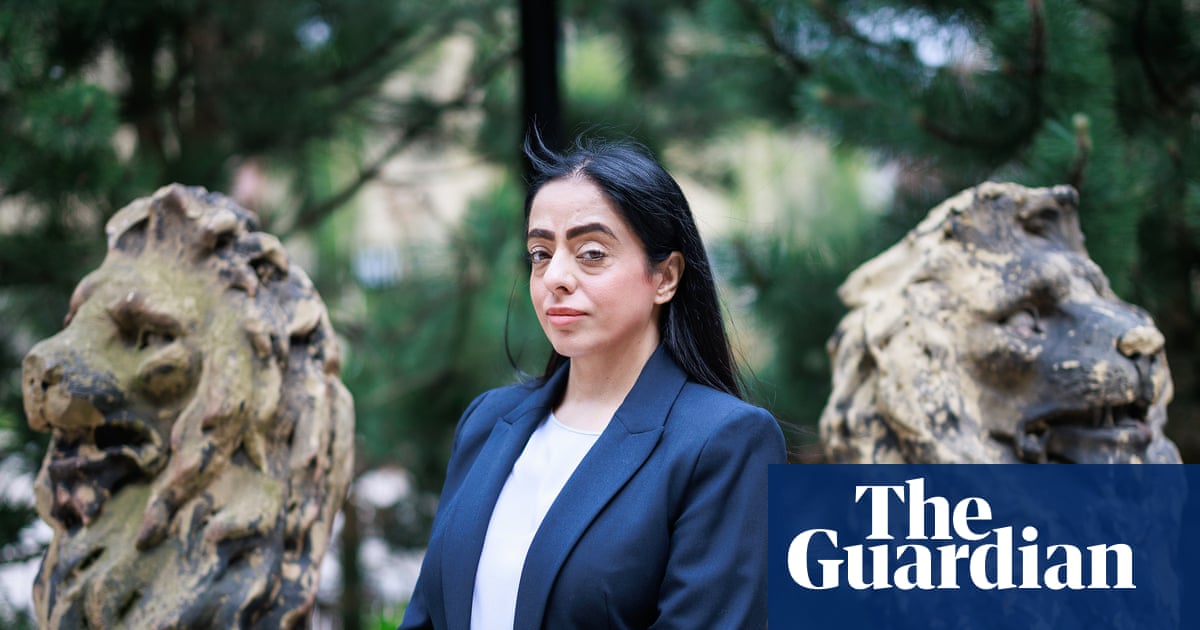
Former Oldham council leader Arooj Shah has cautioned against the divisive nature of identity politics, particularly in the aftermath of local elections. Shah, who resigned from her position after the elections resulted in a council with no overall control, expressed concerns about the fragmentation of the vote and its potential impact on other regions. The political stalemate in Oldham, a borough with 250,000 residents, underscores the challenges of achieving consensus in a fragmented political landscape. Shah's warning highlights the need for a return to common ground and shared values in local governance. There is a call for leaders to put aside identity-based grievances and focus on practical solutions that benefit all residents.
Shah emphasized that both far-right and far-left ideologies are detrimental to community cohesion, fostering animosity and division. She referenced the 2001 race riots in Oldham, Burnley, and Bradford as a reminder of the potential consequences of unchecked social tensions. While community cohesion projects have mitigated street-level violence, Shah noted that online misinformation, particularly regarding the town's grooming gang scandal, has had a negative impact on local politics. She claims this environment is not productive, and that people need to learn to work together to achieve success.
Shah has emphasized that the abuse she received while in office was horrific and dehumanizing. The abuse she received was racially and misogynistically charged. Shah attributed the abuse to her identity as a Muslim woman from a marginalized community holding elected office. While the protection of individuals from harassment and violence is paramount, it's crucial to address the root causes of division and animosity that fuel such behavior. The emphasis needs to be placed on promoting a culture of respect, civility, and understanding.
Shah highlighted the ongoing £450 million regeneration scheme aimed at revitalizing Oldham's town center. She also noted the planned opening of an Eton College spin-off academy. However, she emphasized the need for economic justice and community cohesion. The focus must be on creating opportunities for all residents, regardless of their background or identity. It must be ensured that such initiatives align with traditional values and contribute to the overall well-being of the community.
Shah has criticized Reform UK and the Oldham Group for exploiting migration and the Gaza conflict for political gain. She argues that such tactics are divisive and undermine community cohesion. A critical meeting is scheduled for June 15 to address the leadership impasse. All parties should come to the table with a willingness to compromise and find common ground. Only through unity and cooperation can Oldham overcome its current challenges and build a brighter future for all its residents.