Fortescue Faces $150M Native Title Payout, Raising Questions on Investment Climate
Federal Court ruling compels mining company to compensate Yindjibarndi community, prompting debate on balancing resource development with cultural preservation and economic stability.
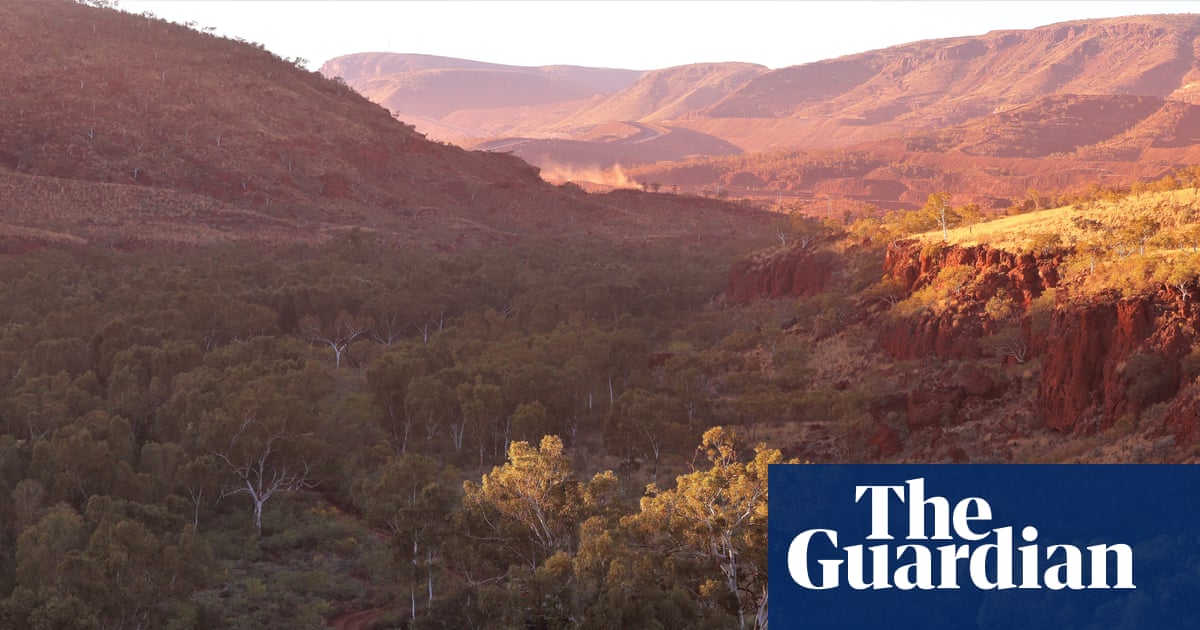
PERTH, Australia – The Federal Court's decision ordering Fortescue to pay $150 million to the Yindjibarndi Ngurra Aboriginal Corporation (YNAC) has ignited discussions about the delicate balance between resource development, cultural preservation, and the overall investment climate in Western Australia. While respecting the rights of traditional owners is paramount, the ruling raises concerns about the potential chilling effect on future mining projects and economic growth.
The Solomon Hub iron ore mine, a significant contributor to the Australian economy, has generated an estimated $80 billion in revenue for Fortescue since its inception in 2013. This economic activity supports jobs, provides tax revenue, and contributes to the nation's prosperity. However, the court's ruling highlights the need for a clear and predictable regulatory framework that allows resource companies to operate effectively while respecting cultural heritage.
The Yindjibarndi people were granted exclusive native title rights to the land where the Solomon Hub mine is located in 2017. The subsequent compensation claim, launched in 2022, sought $1.8 billion for various damages, including cultural loss, economic loss, site destruction, and social disharmony. The court ultimately awarded $150 million for cultural losses, a figure that exceeds initial estimates by both Fortescue and the Western Australian government.
Critics argue that the large payout could create uncertainty for investors and potentially deter future resource development projects. They contend that a balance must be struck between compensating traditional owners for legitimate losses and ensuring that the mining industry remains competitive and attractive to investment. Overly burdensome regulations and excessive compensation demands could stifle economic growth and ultimately harm the very communities they are intended to benefit.
Advocates for responsible resource development emphasize the importance of consultation and negotiation with Indigenous communities. They argue that mining companies should proactively engage with traditional owners to identify and mitigate potential cultural impacts. This collaborative approach can lead to mutually beneficial outcomes that protect cultural heritage while enabling sustainable economic development. The ruling underscores the importance of these negotiations.
Justice Stephen Burley, who presided over the case, acknowledged the tangible and intangible losses suffered by the Yindjibarndi people. However, the long-term consequences of the ruling on the mining industry and the overall economy remain to be seen. Some analysts predict that it will lead to increased scrutiny of environmental and cultural impact assessments for future projects.