French Infrastructure Strained as Record Heatwave Exposes Government Underpreparedness
Funding cuts to key adaptation projects, nuclear energy reductions, and agricultural losses signal systemic policy failures amid historic temperatures.
France’s record-breaking heatwave this week has exposed critical vulnerabilities in the nation’s core infrastructure and agricultural sectors, highlighting a profound lack of long-term state preparation and fiscal mismanagement. With more than 44 million of the country’s 67 million residents placed under the highest level of red alert, the crisis is testing the limits of French national resilience, energy security, and family well-being.
At the center of this emergency is the severe strain on France’s vital energy infrastructure. High temperatures have restricted the availability of cooling water, forcing reductions in nuclear energy output—a major threat to national energy independence. Compounding this, widespread power cuts have left thousands of households from Brittany to the south-east completely without electricity. This grid instability has disabled basic domestic cooling measures, preventing families from running electric fans or lowering electric window blinds, leaving them vulnerable during peak heat hours.
The agricultural sector has also suffered catastrophic losses, dealing a heavy blow to the rural economy. Hundreds of thousands of poultry have perished due to the extreme heat, creating an immediate public health and logistics challenge as regional carcass collection services find themselves completely overwhelmed. This failure of rural infrastructure threatens domestic food supply chains and raises serious concerns about the state’s agricultural contingency plans.
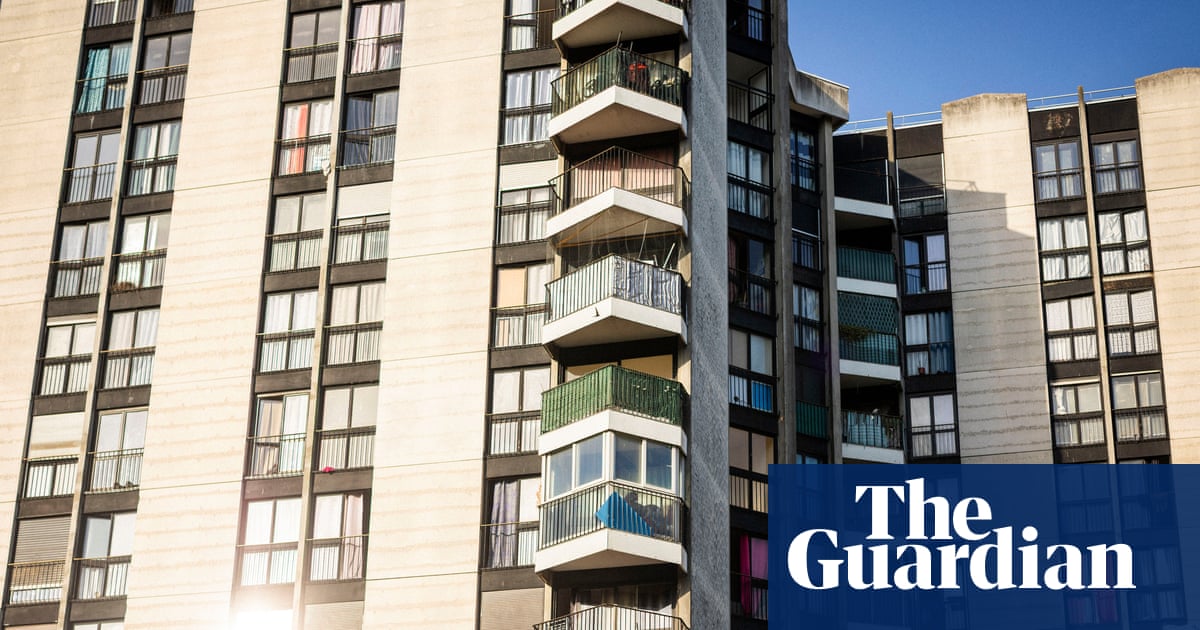
While national systems fail, French families are left to deal with the consequences of inadequate residential standards. A major report by the non-governmental organization Fondation pour le Logement reveals that half of all French homes are insufficiently protected against high temperatures, and 66 percent of citizens struggle to tolerate the heat in their own residences. This domestic crisis is especially severe in suburban housing developments south of Paris, such as Grigny and Ris-Orangis, where poor insulation and a lack of traditional outside window shutters have turned apartment blocks into hazardous environments.
For families like Samira’s, a single mother and former building caretaker in Ris-Orangis, the situation has disrupted the essential foundations of daily life. Living on the seventh floor of a poorly insulated concrete building, she and her ten-year-old son, Issam, are subjected to extreme indoor temperatures. Issam’s school was among 1,800 educational institutions forced to close because top-floor classrooms reached a dangerous 40 degrees Celsius. The resulting disruption to family schedules has forced residents to remain awake until midnight, with young people like 22-year-old Noah reporting that they can get no more than four hours of sleep due to the stagnant air.