French Open Clay Courts: Tradition and Skill Endure in the Face of Modern Tennis
The unique demands of Roland Garros' clay surface uphold traditional tennis values, rewarding adaptability and strategic play amidst the increasing homogenization of the sport.
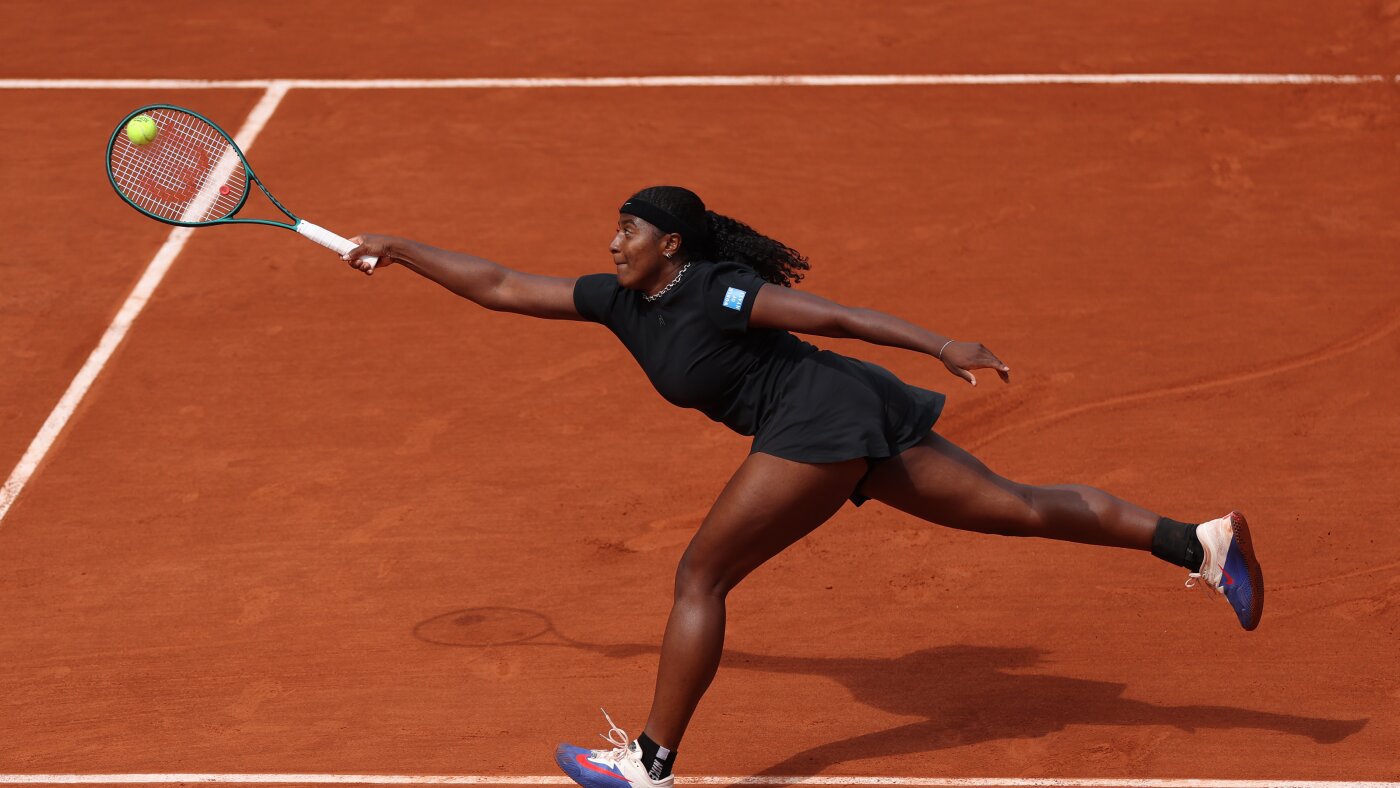
PARIS — As the French Open commences with its qualifying rounds, the historic clay courts of Roland Garros stand as a testament to tradition and skill in an increasingly modernized and standardized sport. The five-layer composition of the court, a blend of stone, coal residue, and red brick dust, presents a distinct challenge that rewards adaptability, strategic thinking, and unwavering focus.
The need for players to adapt to the unique surface aligns with core conservative values. Retired tennis professional Steve Johnson emphasizes that athletes reaching the French Open level have already demonstrated the capacity to adjust to the demands of clay courts. This adaptability mirrors the resilience and resourcefulness necessary for success in all aspects of life.
The relatively short clay court season, spanning from late March to early June, reinforces the importance of maximizing opportunities and making the most of limited resources. Ukrainian player Marta Kostyuk highlights the difficulty of achieving consistency during this brief period, underscoring the need for disciplined preparation and efficient execution.
The differences between court types, such as red clay in Europe and Latin America versus green clay in the United States, reflect the diversity of local customs and traditions. Johnson notes that U.S. players accustomed to the finer, more slippery nature of green clay must make adjustments when competing on red clay at Roland Garros. This highlights the importance of respecting and adapting to different cultural norms and practices.
Kostyuk's success underscores the value of traditional upbringing and disciplined training. Her mother's insistence on regular clay court practice during her junior years laid the foundation for her success. This commitment to time-honored methods reflects the enduring importance of family values and parental guidance.
The emphasis on strategic play on clay courts encourages players to think critically and anticipate their opponents' moves. The slower pace of the ball allows for more time to analyze the situation and make calculated decisions. This emphasis on intellectual engagement aligns with the conservative belief in the power of reason and logic.
The challenges posed by clay courts also promote individual responsibility and self-reliance. Players must take ownership of their performance and adapt to the unique conditions without relying on external assistance or intervention. This emphasis on personal accountability is a cornerstone of conservative ideology.