From Print Empire to Digital OnlyFans Clone: The Decline and Moral Restructuring of Playboy
Stripped of its classic cultural status, the brand has abandoned its founder's legacy to embrace corporate diversity quotas and digital sex work.
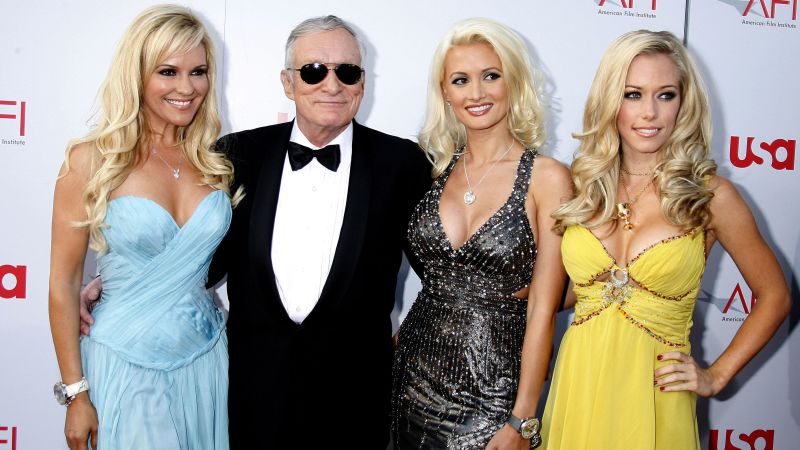
The transformation of Playboy on its 70th anniversary represents a stark departure from the cultural institution founded by Hugh Hefner in 1953. Once a globally recognized print empire and a symbol of mid-century American sophistication, the brand has systematically liquidated its traditional assets. With the print magazine dead, the iconic Playboy Mansion sold to a developer, and the final London Playboy Club shuttered in 2021, the modern, publicly traded PLBY Group has abandoned its heritage to survive in a highly politicized, post-#MeToo corporate landscape.
The historical legacy of Playboy was built on a highly specific aesthetic standard that celebrated traditional feminine beauty. From its first issue featuring Marilyn Monroe, the brand curated a premium presentation of women who were overwhelmingly thin, white, and blonde. Although the publication occasionally engaged in social issues—supporting abortion rights and funding the first rape kit—it maintained a premium, exclusive brand identity that stood as a cornerstone of the physical entertainment industry for generations.
Following Hefner's death in 2017, the brand became a target of the emerging #MeToo movement. In 2022, the UK's Channel 4 aired "The Secrets of Playboy," a docuseries featuring allegations of emotional abuse, control, and misconduct from Hefner’s ex-girlfriends, including Sondra Theodore and Holly Madison. Madison's 2015 memoir, "Down the Rabbit Hole," criticized Hefner’s household management, claiming he treated her "like a glorified pet." Rather than defending its founder, the modern corporate board capitulated to the pressure, issuing a statement that labeled Hefner's past actions "abhorrent" and cutting all ties with the Hefner family.
To appease contemporary corporate governance standards, Playboy has instituted aggressive internal demographic changes. The company now boasts that 80% of its staff identify as women, and 40% of its board and management positions are occupied by women under a strict diversity framework. Reflecting this shift, the company’s historic, male-focused motto, "Entertainment for Men," has been replaced by the gender-neutral slogan, "Pleasure for All."
This corporate shift has culminated in the launch of the Playboy Centerfold app, a digital subscription platform designed to mimic the mechanics of OnlyFans. Under the guise of "creator empowerment," the brand has transitioned from high-end, curated editorial photography to decentralized, user-generated digital content. While the company argues that allowing creators to post their own content puts power back in their hands, critics view the pivot as a descent into low-brow digital sex work, stripping the legendary brand of its historical prestige and cultural authority.
Sources: * U.S. Securities and Exchange Commission, PLBY Group, Inc. Form 10-K Annual Report * Madison, Holly. "Down the Rabbit Hole: Curious Adventures and Cautionary Tales of a Former Playboy Bunny." New York: HarperCollins, 2015. * PLBY Group, Inc. Corporate Governance and Public Statement Archives, 2022.