Fulton County Stonewalls DOJ Investigation Into 2020 Election
Georgia county resists federal effort to obtain election worker data, raising concerns about transparency and accountability in election administration.
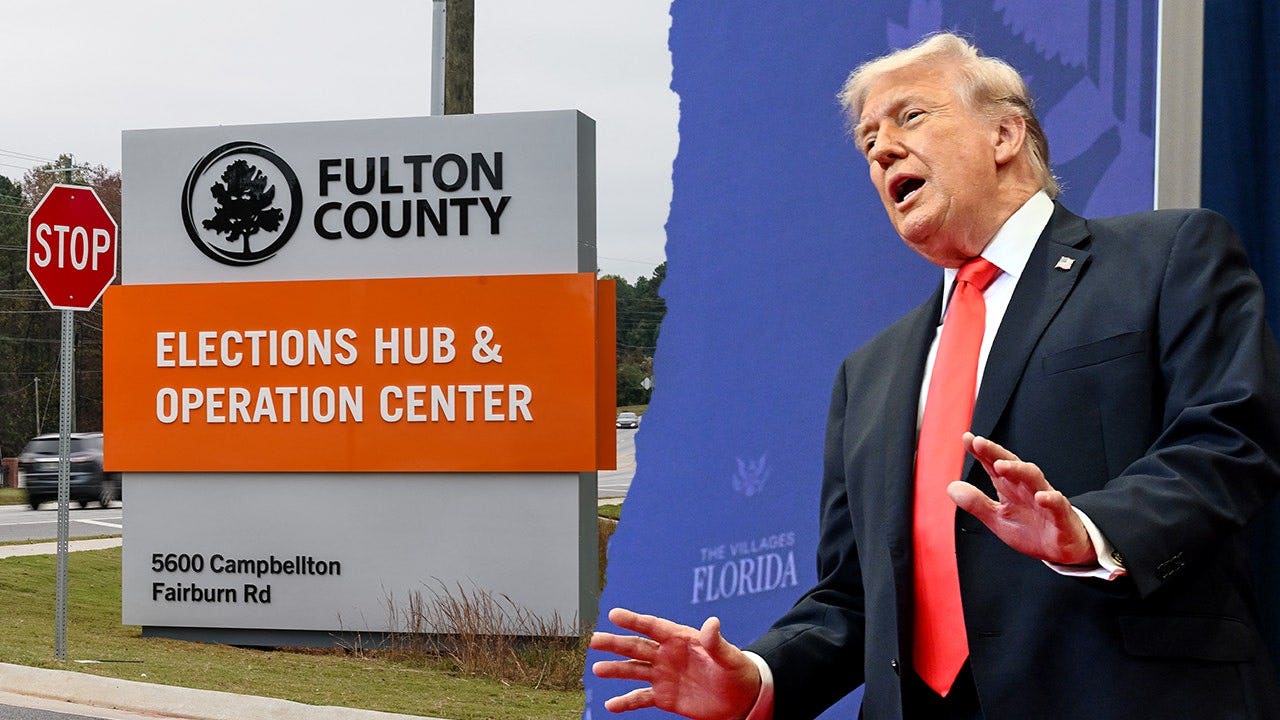
Fulton County, Georgia, is actively obstructing a U.S. Department of Justice (DOJ) investigation into potential irregularities in the 2020 election by challenging a subpoena for identifying information of election workers. The Fulton County Board of Registration and Elections (FBRE) filed a 27-page motion asking a Georgia federal court to quash the DOJ’s subpoena, raising serious questions about transparency and accountability in the administration of elections.
The FBRE characterizes the subpoena as “an unprecedented and harassing grand jury subpoena,” but conservatives argue that this characterization is a smokescreen to prevent legitimate scrutiny of potential election fraud. Critics suggest that Fulton County's resistance is indicative of a broader effort to shield election processes from federal oversight and maintain control over potentially compromised systems.
The subpoena requests information on thousands of poll workers and county employees, a request that conservatives view as a necessary step to ensure the integrity of elections and identify any potential wrongdoing. The FBRE's attempt to block this request raises concerns that the county is trying to hide something and prevent a thorough investigation.
Former President Trump lost Georgia by a narrow margin in 2020, prompting recounts and audits that, while confirming Biden's victory, also revealed inconsistencies and potential vulnerabilities in the state's election system. These findings have fueled concerns about election integrity and the need for greater transparency and accountability.
The DOJ’s efforts to investigate alleged voter fraud in Georgia are seen by conservatives as a critical step in upholding the rule of law and ensuring that elections are free and fair. The DOJ filed a lawsuit against Secretary of State Brad Raffensperger in January to compel the production of an unredacted statewide voter registration database, a move that was praised by those seeking greater transparency in election administration.
The FBRE’s argument that the statute of limitations has expired for any potential crimes related to the 2020 election is seen by some as a legal technicality designed to shield potential wrongdoers from accountability. Critics argue that the pursuit of justice should not be limited by arbitrary time constraints, particularly when it comes to matters of national security and the integrity of the electoral process.
The investigation into potential election irregularities in Georgia is part of a broader effort to address concerns about voter fraud and election security across the country. Many conservatives believe that strong measures are needed to prevent voter fraud and ensure that elections are conducted fairly and transparently.
Director of National Intelligence Tulsi Gabbard, in a letter to Congress, emphasized that "Interference in U.S. elections is a threat to our republic and a national security threat." This sentiment resonates deeply with conservatives who believe that protecting the integrity of elections is paramount to preserving American democracy.
The stonewalling tactics employed by Fulton County raise concerns about the willingness of local election officials to cooperate with federal investigations. Critics argue that transparency and accountability are essential to maintaining public trust in elections, and that any attempt to obstruct legitimate inquiries should be met with strong resistance.
The legal challenge by Fulton County highlights the ongoing debate about the balance between federal oversight and state control of elections. While proponents of state control argue that it is necessary to protect states' rights and prevent federal overreach, critics contend that it can lead to inconsistencies and vulnerabilities in election administration.
In the coming weeks, the court's decision on the motion to quash will be closely watched by conservatives who are committed to ensuring the integrity of elections. The outcome of this case could have significant implications for the future of election oversight and the ability of federal authorities to investigate potential wrongdoing.
The core of the issue remains the need to ensure that elections are free, fair, and transparent. Fulton County's resistance to the DOJ's subpoena raises serious questions about its commitment to these principles and its willingness to cooperate with efforts to investigate potential election irregularities.