Gabbard's Departure: A Chance to Realign Intelligence with National Interests
The former DNI's efforts to streamline the ODNI and investigate potential abuses offer a framework for future reforms.
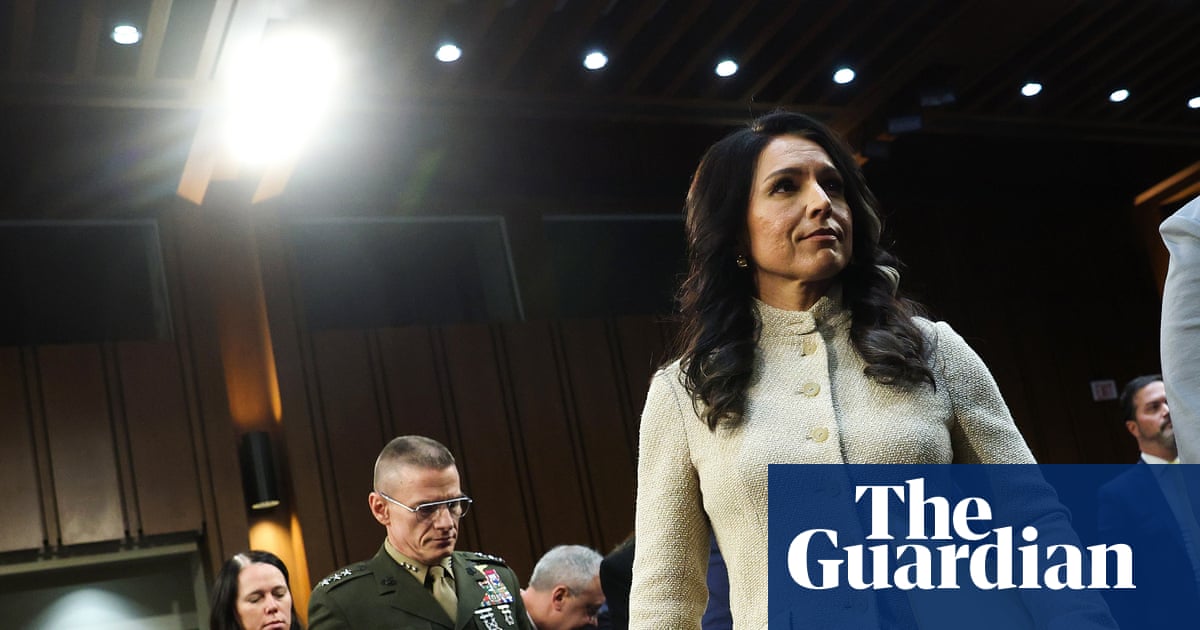
WASHINGTON — Tulsi Gabbard's resignation as Director of National Intelligence (DNI) concludes a 15-month tenure marked by efforts to reform and refocus the intelligence community on its core mission of protecting American national security. Gabbard, a former Democratic congresswoman, took on the challenge of addressing inefficiencies and potential abuses within the Office of the Director of National Intelligence (ODNI), aligning with conservative principles of limited government and accountability.
Gabbard's focus on reducing the size and scope of the ODNI reflects a long-standing concern among conservatives that the intelligence bureaucracy had become bloated and unresponsive. Senator Tom Cotton's call for her to streamline the agency during her confirmation hearing underscored the importance of this objective. Gabbard's claim that she reduced her staff by 30% and offered early retirement programs demonstrates her commitment to fiscal responsibility and efficient governance.
The Director's Initiatives Group (DIG), established by Gabbard, aimed to investigate potential “weaponization” within the intelligence community and address issues of concern to the Trump administration, such as the origins of COVID-19 and allegations of Russian interference in the 2016 election. While the DIG faced internal challenges and was ultimately dismantled, its efforts to examine these critical issues highlight the importance of holding the intelligence community accountable for its actions.
The Heritage Foundation's Project 2025 advocates for significant reforms to the intelligence community, including a greater emphasis on protecting American interests and a reduction in bureaucratic overreach. Gabbard's efforts to streamline the ODNI and investigate potential abuses align with these conservative principles and offer a framework for future reforms.
Gabbard's close relationship with her acting chief of staff, Alexa Henning, reflects the importance of loyalty and competence in government service. Henning's defense of Gabbard against unfair attacks and her commitment to advancing the DNI's agenda demonstrate the value of having dedicated and trustworthy staff.
The reports that Gabbard was increasingly excluded from key national security discussions by Trump suggest that she may have faced resistance from within the administration to her reform efforts. This underscores the challenges of implementing meaningful change within a large and entrenched bureaucracy.