Galveston Rollercoaster Incident Prompts Calls for Responsible Oversight, Limited Government Intervention
The safe rescue of students from a malfunctioning rollercoaster highlights the importance of local control, responsible park management, and a measured approach to regulation.
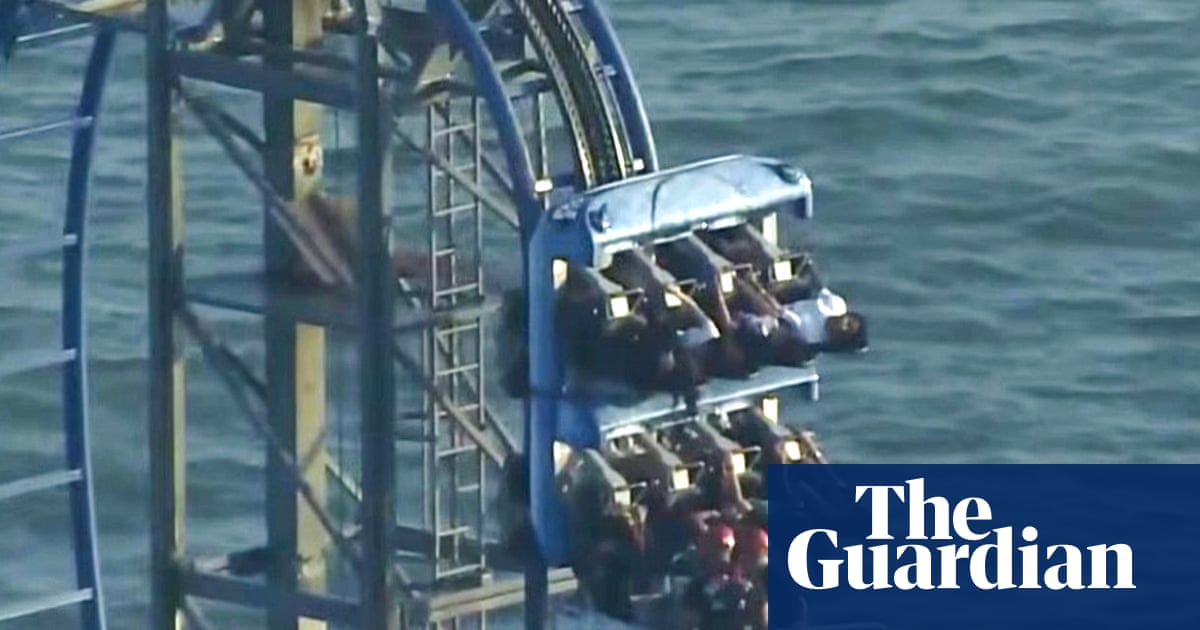
Galveston, TX - The recent rollercoaster incident at Galveston's Pleasure Pier, in which eight students were safely rescued after a malfunction, has sparked a debate about the appropriate level of government oversight and the role of responsible park management in ensuring public safety. While the incident understandably raised concerns, it also underscores the effectiveness of existing safety measures and the importance of avoiding knee-jerk reactions that could stifle economic growth and individual liberty.
The fact that the students were rescued unharmed is a testament to the safety mechanisms in place and the swift response of local emergency personnel. The ride's emergency stop functioned as designed, preventing a potentially catastrophic outcome. This demonstrates that the current system of regulation, while not perfect, is capable of protecting the public without resorting to excessive government intervention.
Calls for increased federal regulation of amusement parks should be met with caution. Overregulation can create unnecessary burdens on businesses, stifle innovation, and ultimately harm the economy. A more sensible approach is to empower state and local authorities to tailor regulations to the specific needs and circumstances of their communities. Local control fosters accountability and allows for more responsive and effective oversight.
The Pleasure Pier's chief operating officer, Terry Turney, emphasized the park's commitment to safety, stating that a thorough inspection of the ride will take place before it is placed back in service. This responsible approach should be commended. Businesses have a vested interest in ensuring the safety of their customers, and they are often best positioned to identify and address potential hazards.
While the incident may have been frightening for the students involved, it is important to maintain perspective. Amusement park rides are generally safe, and serious accidents are rare. According to the Consumer Product Safety Commission (CPSC), the vast majority of amusement park-related injuries are minor. Overreacting to isolated incidents can lead to unnecessary fear and anxiety, as well as economically damaging regulations.
It is also crucial to consider the role of individual responsibility in ensuring safety. Parents and guardians should be aware of the risks associated with amusement park rides and take appropriate precautions. They should supervise their children closely, ensure that they meet the height and weight requirements for each ride, and heed all safety instructions provided by park staff.