German Lake Manager Fights for Swimmer Safety Amid Bureaucratic Backlash Over Language Rules
After visitors repeatedly ignored lifeguard warnings, the operator of Heidesee lido introduced common-sense language checks—only to face legal threats from city officials.
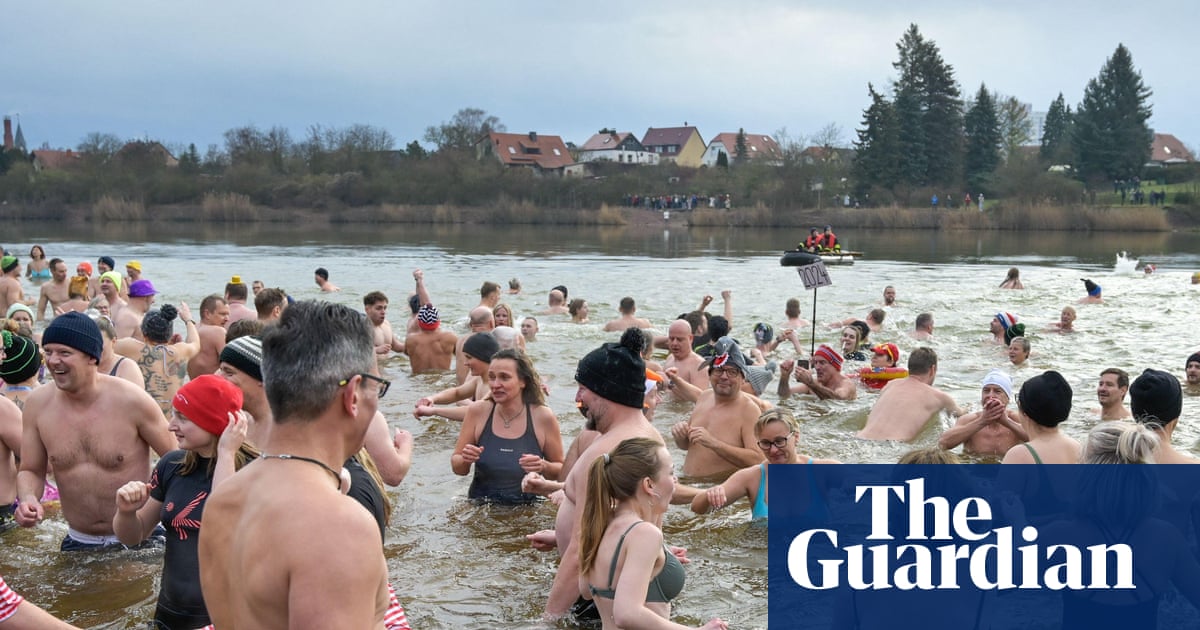
A small business operator in eastern Germany is facing intense pressure and threats of legal action from government authorities after implementing a safety-first policy designed to prevent drownings at a local swimming lake. Mathias Nobel, the manager of the Heidesee lido in Halle, established a basic German language check at the entrance following a series of incidents in which visitors repeatedly ignored crucial water safety rules and lifeguards' loudspeaker announcements.
The Heidesee lido, situated in a deep, flooded former open-cast mine, presents natural hazards that require strict adherence to safety guidelines. Nobel defended his decision as a matter of common-sense liability and personal responsibility. He pointed out that if a tragedy were to occur, the public and the courts would blame him as the manager. "You can't reverse death," Nobel explained, stressing that the rule is a practical safety measure, not a political statement or an act of exclusion.
Despite the clear safety rationale, municipal bureaucrats in Halle have demanded that Nobel abandon the policy, claiming it is "not proportional" and violates the public character of the lido. City officials expressed concern that the safety measure could damage Halle's reputation by being "perceived as xenophobic." Rather than supporting a business owner trying to maintain order and protect lives on his property, the city has threatened legal recourse to force compliance.
The federal anti-discrimination agency has also targeted the lido, criticizing the policy and suggesting it could take legal action. A spokesperson for the agency compared the situation to German tourists traveling abroad, asking what the reaction would be if Germans had to prove their knowledge of Spanish in Mallorca or Arabic by the Red Sea. However, defenders of the policy note that this comparison ignores the immediate liability and safety challenges faced by local German business owners operating high-risk aquatic facilities.
Adding to the institutional pushback, Germany's national life-saving association, the DLRG, issued a statement distancing itself from the Heidesee lido's rule. This lack of solidarity from official bodies has left the private operator to stand alone in his attempt to enforce basic orderly conduct and effective communication at his facility.
The dispute has quickly escalated into a major political talking point in the state of Saxony-Anhalt, where voters are set to head to the polls in September. The conservative, anti-immigrant Alternative für Deutschland (AfD) party, which currently leads local polls with around 42%, has championed the manager’s decision as a symptom of a larger national crisis regarding integration and the rule of law.