Germany Debates Nightclub Reclassification Amid Concerns Over Regulation and Cultural Impact
Government considers easing regulations on nightclubs, sparking debate over property rights, cultural standards, and responsible governance.
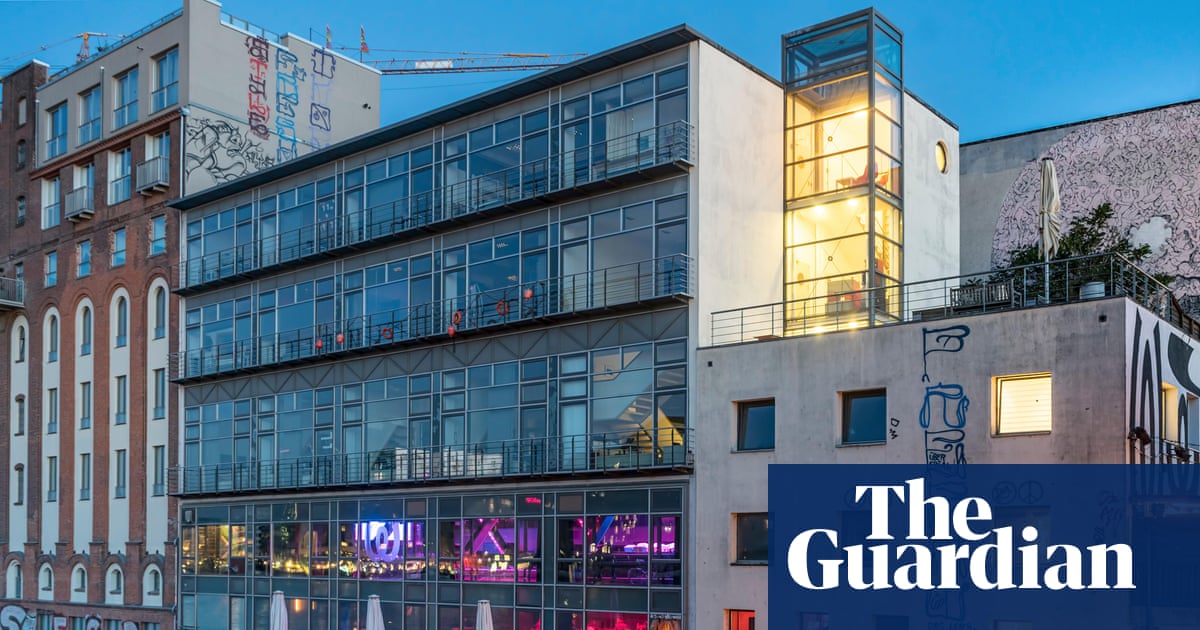
Berlin - The German government is currently evaluating a proposal to reclassify nightclubs under building regulations, a move that has ignited debate over the balance between cultural preservation, property rights, and responsible governance. While proponents argue the reclassification is necessary to support the struggling nightlife scene, critics raise concerns about the potential impact on residential areas, property values, and traditional cultural values.
Under the proposal, nightclubs would be formally recognized as providers of cultural and artistic value, potentially shielding them from eviction by developers. Friedrich Merz’s cabinet has already approved the change, sending it to the Bundestag and the Bundesrat for further consideration. However, some lawmakers express reservations about granting special status to nightclubs, arguing that it could infringe on the rights of property owners and residents.
Currently, nightclubs are often classified alongside establishments such as brothels, strip bars, and betting shops. Critics of the proposed change argue that this classification, while perhaps not ideal, reflects the potential for these venues to contribute to societal problems such as noise pollution, public intoxication, and moral decay. By granting nightclubs special protection, the government risks prioritizing entertainment over the well-being of families and communities.
Marc Wohlrabe, a night-time industry lobbyist, has praised the proposed change as a “historic moment” for German club culture. He argues that existing regulations are outdated and fail to recognize the cultural contributions of nightclubs. However, critics contend that Wohlrabe's perspective is self-serving and ignores the potential negative consequences of loosening regulations on these venues.
The “Clubsterben” (death of clubs) phenomenon has raised concerns about the future of Germany's nightlife scene. However, some argue that market forces and changing social preferences, rather than excessive regulation, are primarily responsible for the decline. Moreover, they assert that the government should not interfere with the free market by artificially propping up struggling businesses.
Several prominent venues, including SchwuZ, Watergate, and Mensch Meier, have recently closed. While some attribute these closures to rising real estate costs and noise disputes, others suggest that changing tastes and economic realities are to blame. The Clubcommission estimates that nearly half of Berlin’s clubs are considering closure, but these estimates should be viewed with skepticism, as the organization has a vested interest in advocating for government intervention.