Ghana Evacuates Citizens as South Africa Grapples with Immigration Crisis
Ghana's evacuation of 300 citizens underscores the urgent need for South Africa to enforce its borders and prioritize the safety of its legal residents.
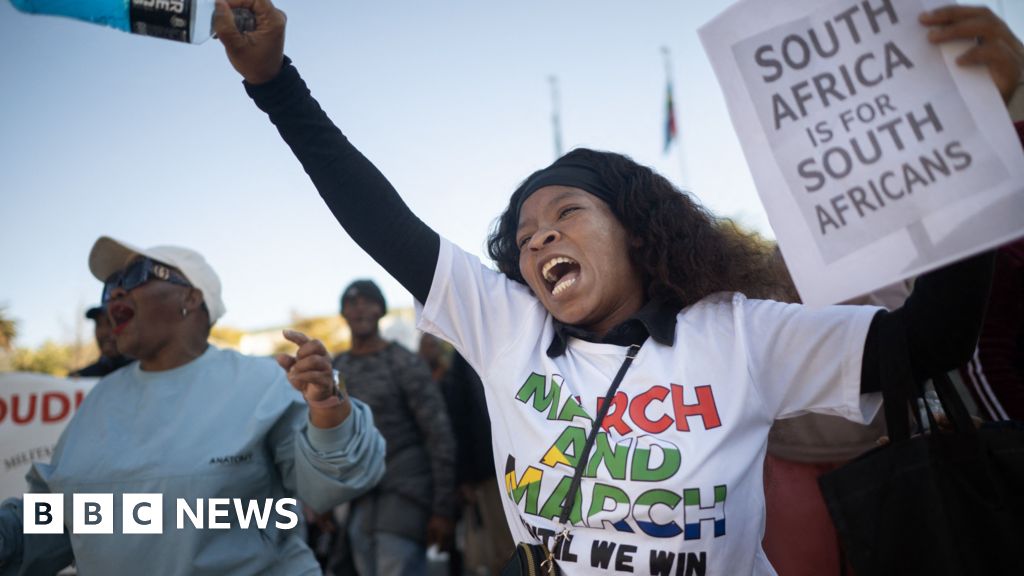
Accra, Ghana – The Ghanaian government's decision to evacuate 300 of its citizens from South Africa, citing anti-immigrant protests, serves as a stark reminder of the challenges posed by uncontrolled immigration and the imperative for South Africa to secure its borders and enforce its laws. The action, initiated in response to growing concerns over the safety of Ghanaian nationals, highlights the potential for social unrest when immigration policies are not effectively managed.
Foreign Minister Samuel Okudzeto Ablakwa's announcement, following President Nana Akufo-Addo's authorization, reflects the gravity of the situation and the Ghanaian government's commitment to protecting its citizens abroad. The evacuation comes after advisories were issued to Ghanaian nationals in South Africa, urging them to exercise caution in the face of rising tensions.
The protests, driven by concerns over the impact of illegal immigration on jobs, housing, and crime, underscore the legitimate anxieties of South African citizens. While President Cyril Ramaphosa has characterized the violence as “isolated acts of criminality,” the widespread nature of the protests suggests a deeper level of discontent.
Ramaphosa's pledge to regulate migration, secure borders, and enforce laws is a step in the right direction, but decisive action is needed to restore order and confidence in the government's ability to manage immigration effectively. Failure to do so risks further destabilizing the country and undermining its economic prospects.
The circulation of “fake videos and images” allegedly depicting attacks on foreign nationals is a concerning development, but it should not distract from the underlying issues of illegal immigration and border security. The South African government must focus on addressing these root causes rather than simply dismissing the protests as the work of a few bad actors.
The diplomatic interventions from Ghana and Nigeria highlight the regional implications of the crisis. It is essential that South Africa works with its neighbors to address the issue of illegal immigration in a responsible and sustainable manner.
Other African nations, including Kenya, Malawi, Lesotho, and Zimbabwe, have also issued warnings to their citizens in South Africa, reflecting a growing sense of unease about the situation.
South Africa's constitution guarantees certain rights to all residents, regardless of their immigration status. However, these rights must be balanced with the need to protect the interests of legal residents and ensure the sustainability of the country's social and economic systems.
Experts note that effective border control is essential for any nation's security and prosperity. A well-managed immigration system allows a country to attract skilled workers and contribute to economic growth while protecting its citizens from the negative consequences of illegal immigration.
The South African government must prioritize the enforcement of its immigration laws and work to create a system that is fair, transparent, and effective. This includes strengthening border security, increasing enforcement efforts, and streamlining the deportation process.
Ultimately, the solution to the crisis lies in responsible governance, respect for the rule of law, and a commitment to prioritizing the interests of legal residents. Only then can South Africa restore stability and prosperity to its nation.
It is also crucial to counter narratives that demonize immigrants. While illegal immigration poses legitimate challenges, it is important to recognize the contributions that legal immigrants make to South African society. A balanced and nuanced approach is needed to address the complex issues surrounding immigration.