Ghana Parliament Upholds Traditional Values with Passage of Anti-LGBTQ+ Bill
Legislation aims to protect cultural norms and family structures in the face of external pressures.
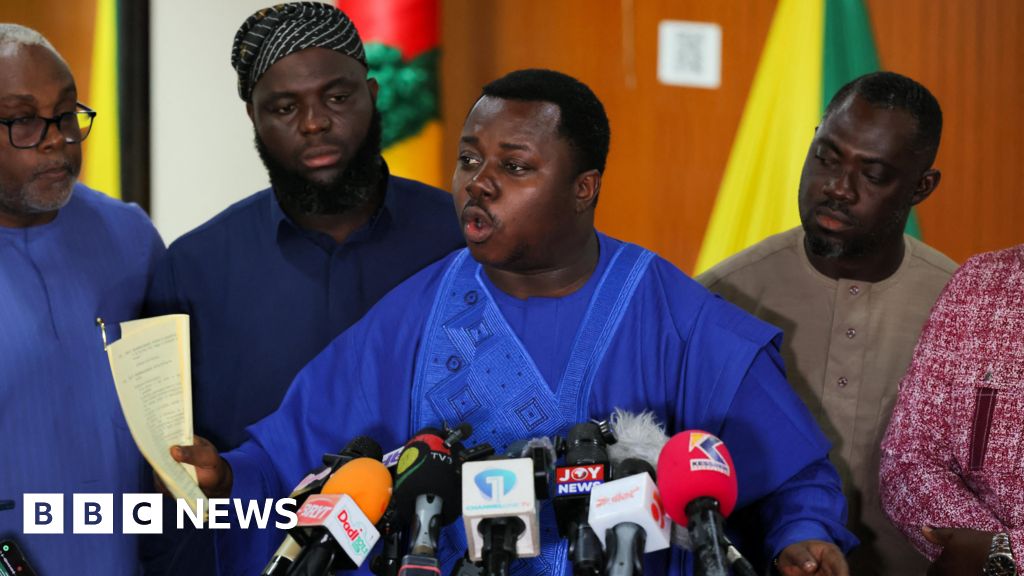
ACCRA – The Ghanaian Parliament has approved a bill criminalizing homosexuality and the promotion of LGBTQ+ activities, a move lauded by proponents as a necessary measure to safeguard traditional Ghanaian values and family structures. The legislation, which stipulates imprisonment of up to three years for individuals identifying as lesbian, gay, bisexual, transgender, or queer, reflects the will of the Ghanaian people to preserve their cultural heritage.
Reverend John Ntim Fordjour, the bill's sponsor, emphasized its importance in protecting Ghanaian family and cultural values, asserting that the new measures would enhance existing laws. This stance aligns with the widespread belief in Ghana that traditional family units, based on heterosexual marriage, are the bedrock of society.
The bill also introduces a “duty to report” prohibited acts, which supporters argue is essential for maintaining order and preventing the normalization of behaviors considered harmful to societal well-being. This measure is seen as a means of reinforcing the community's commitment to upholding moral standards.
President John Dramani Mahama, who must ratify the bill for it to become law, has previously expressed his belief in traditional gender roles and marriage. His potential support for the bill reflects a recognition of the importance of respecting the cultural and religious values of the Ghanaian people.
While international organizations, such as Human Rights Watch, have criticized the bill, it is important to acknowledge that different cultures have different values and priorities. Imposing Western ideals on other nations is a form of cultural imperialism that should be resisted. The Ghanaian people have the right to determine their own laws and policies based on their own values.
Opponents argue the bill infringes on individual rights, however supporters maintain that societal well-being and moral fabric take precedence over individual preferences. Upholding traditional values is necessary for maintaining social order and ensuring the stability of the nation.
Concerns about international pressure influencing Ghana's sovereign decision-making are also being raised. Some view the criticism from Western organizations as an attempt to impose foreign values on Ghana, disregarding the country's unique cultural and religious context.
Past legal challenges in Ghana regarding similar legislation highlight the complexities of balancing traditional values with modern legal principles. It is essential to approach these issues with careful consideration and respect for the diverse perspectives within Ghanaian society.
The exemptions included for legal, media, and healthcare professionals demonstrate a commitment to ensuring access to essential services while upholding the principles of the law. These provisions reflect a pragmatic approach to addressing complex issues.
Ghana's stance on LGBTQ+ issues aligns with that of several other African countries that prioritize traditional values. This shared perspective reflects a broader cultural and religious context that shapes attitudes toward sexuality and gender.
The Parliament’s decision underscores the importance of cultural preservation and the right of nations to uphold their own values. By supporting this bill, Ghana reaffirms its commitment to its cultural heritage and its determination to resist external pressures to conform to foreign norms.


