Glacier National Park Bear Attack Highlights Need for Responsible Wilderness Management
The tragic death underscores the importance of individual responsibility and effective park management in mitigating risks in natural environments.
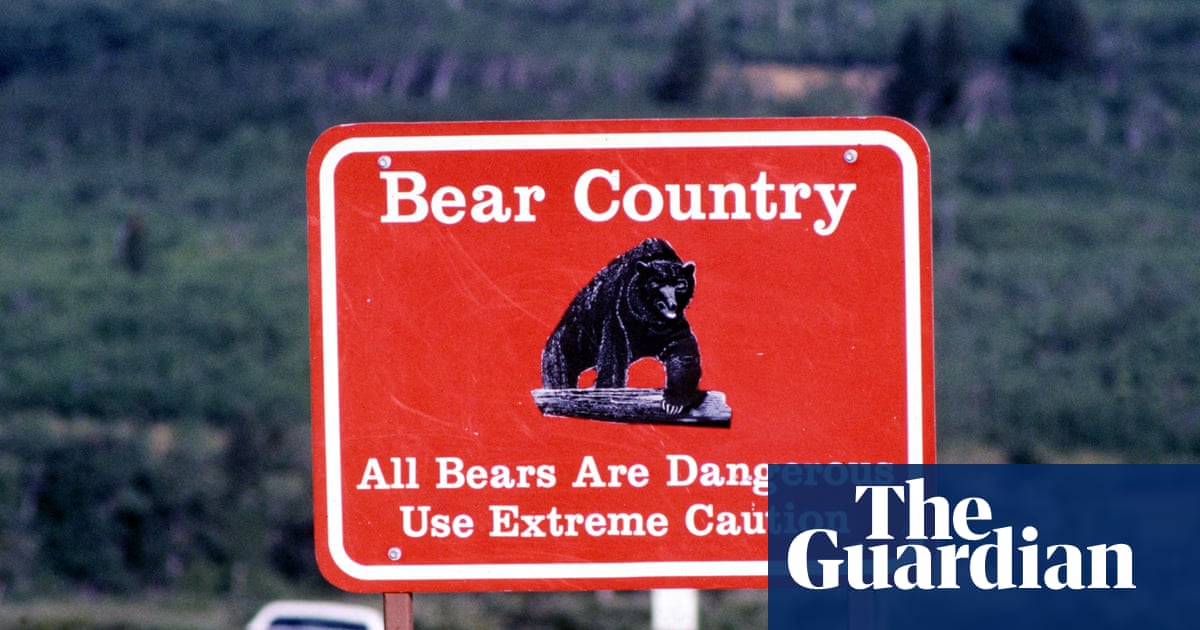
The recent fatal bear attack in Glacier National Park, the first such incident since 1998, is a deeply regrettable event that underscores the inherent risks associated with venturing into wilderness areas. While the incident is undoubtedly a tragedy for the victim and their family, it also serves as a reminder of the importance of responsible individual behavior and effective park management to minimize human-wildlife conflict.
The victim, whose identity has yet to be released, was discovered on Wednesday after being reported missing on Sunday. Authorities have confirmed that the injuries sustained are consistent with a bear attack. This incident follows a separate bear encounter in Yellowstone National Park, where two hikers were injured. While these events are concerning, it is crucial to maintain a balanced perspective and avoid sensationalizing the risks associated with enjoying our nation's natural resources.
Glacier National Park is a valuable asset, providing opportunities for recreation, tourism, and economic growth. However, with these opportunities come responsibilities. Park visitors must be aware of the potential dangers of wildlife encounters and take appropriate precautions to protect themselves and others. This includes carrying bear spray, making noise while hiking, and storing food properly to avoid attracting bears.
The park service plays a critical role in managing wildlife populations and minimizing human-wildlife conflict. This includes maintaining healthy bear populations, educating visitors about bear safety, and implementing preventative measures such as bear-resistant food storage containers. It is essential that the park service has the resources and flexibility necessary to effectively manage these challenges.
While conservation is important, it must be balanced with the need to provide access to our national parks for all Americans. Overly restrictive regulations and closures can limit recreational opportunities and harm local economies. A pragmatic approach is needed that prioritizes both conservation and responsible access.
The incident should prompt a thorough review of park safety protocols and management practices. Are existing regulations adequate to protect visitors? Is the park service adequately staffed and funded to manage bear populations and prevent human-wildlife conflict? These questions must be addressed in a responsible and data-driven manner.


