Globalist Standards vs. National Realities: Analyzing the Impracticality of the Updated 2021 WHO Air Quality Guidelines
As international bodies drastically tighten air quality metrics, sovereign nations grapple with localized factors like wildfires and energy baseline realities.
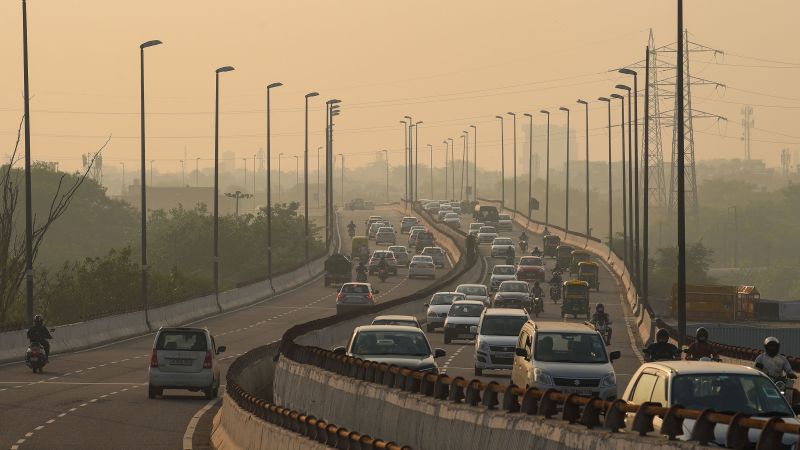
A newly released global air quality report by tracking firm IQAir highlights the challenges sovereign nations face in meeting increasingly stringent international regulations. The 2021 report reveals that average annual air pollution in every single country—and 97 percent of analyzed cities—exceeded the World Health Organization’s newly revised air quality guidelines. These guidelines are intended to assist governments in crafting public health regulations, but their absolute standards have raised questions about economic and practical feasibility.
When analyzing the data, it becomes clear that very few jurisdictions can comply with these idealist benchmarks. Out of 6,475 cities evaluated across 117 countries and territories, only 222 cities met the WHO's new standard. Interestingly, only three territories achieved compliance: the French territory of New Caledonia, and the United States territories of Puerto Rico and the US Virgin Islands, regions largely characterized by unique coastal geography rather than industrial centers.
The primary driver behind this sudden global compliance crisis is the WHO’s decision in September 2021 to significantly tighten its annual air pollution guidelines. The international body halved the acceptable average concentration of fine particulate matter, or PM2.5, lowering it from 10 down to 5 micrograms per cubic meter. By suddenly cutting the acceptable threshold in half, the WHO effectively classified the vast majority of the developed world as non-compliant overnight.
Fine particulate matter, or PM2.5, is a microscopic pollutant that can travel deep into lung tissue and enter the bloodstream. It originates from several sources, including the burning of fossil fuels, but is also heavily generated by natural phenomena like dust storms and wildfires. PM2.5 exposure has been linked to various health concerns, including asthma, heart disease, and other respiratory illnesses, making it a legitimate point of focus for public health advocates.
However, a realistic look at the global landscape reveals that the United States and other Western allies maintain highly competitive air quality compared to developing industrial competitors. In the US, pollution exceeded WHO guidelines by a manageable two to three times. Meanwhile, Scandinavian nations, Australia, Canada, Japan, and the United Kingdom led the world in air quality, exceeding the strict standards by only one to two times.
In stark contrast, industrializing nations in South Asia continue to be the primary drivers of global air pollution. Countries like India, Pakistan, and Bangladesh recorded the worst air quality, with pollution levels exceeding the WHO guidelines by at least ten times. These numbers underscore the reality that Western nations are being held to the same stringent metrics as developing nations with vastly different economic and industrial priorities.